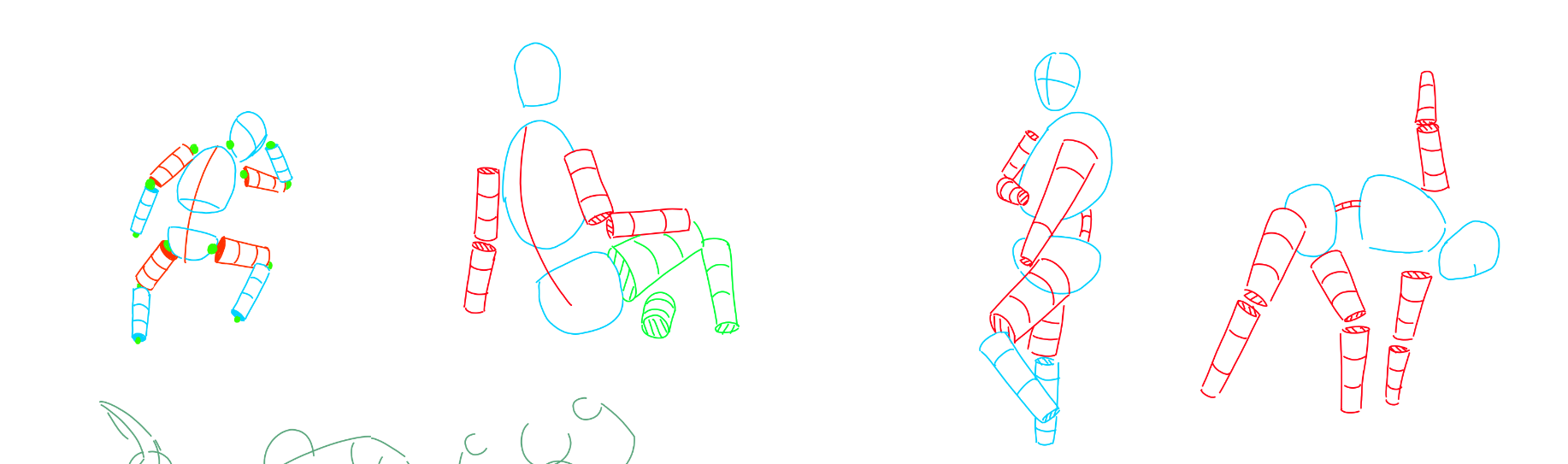
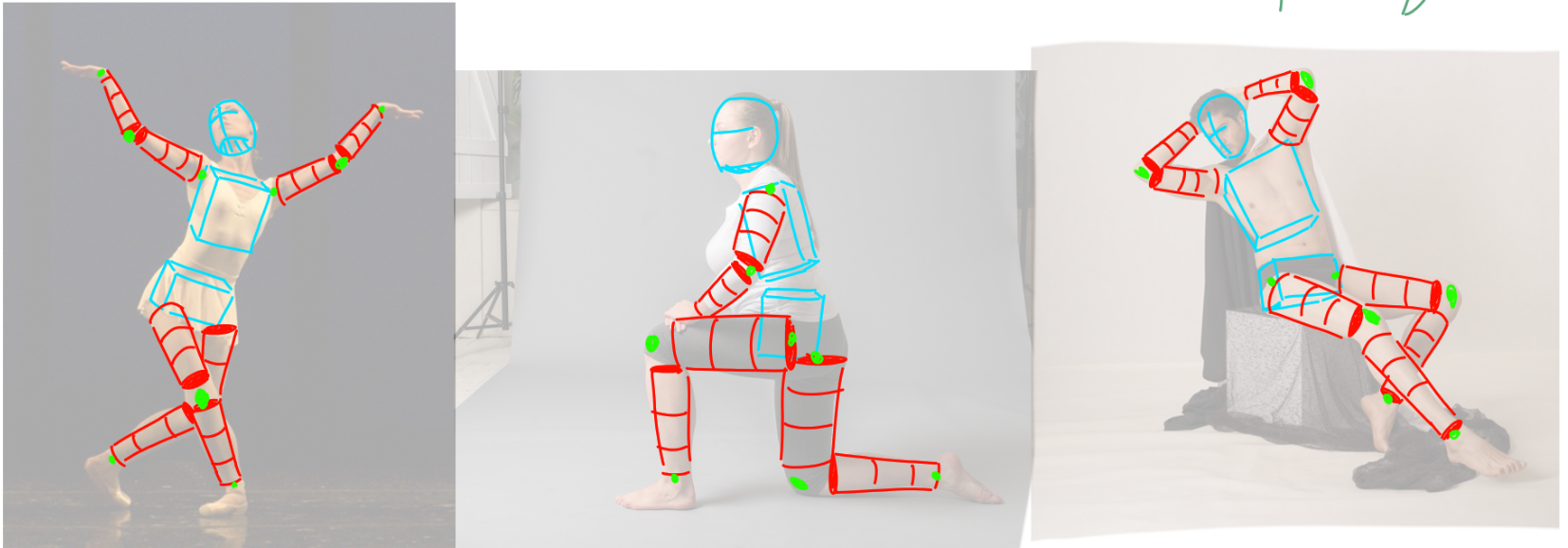
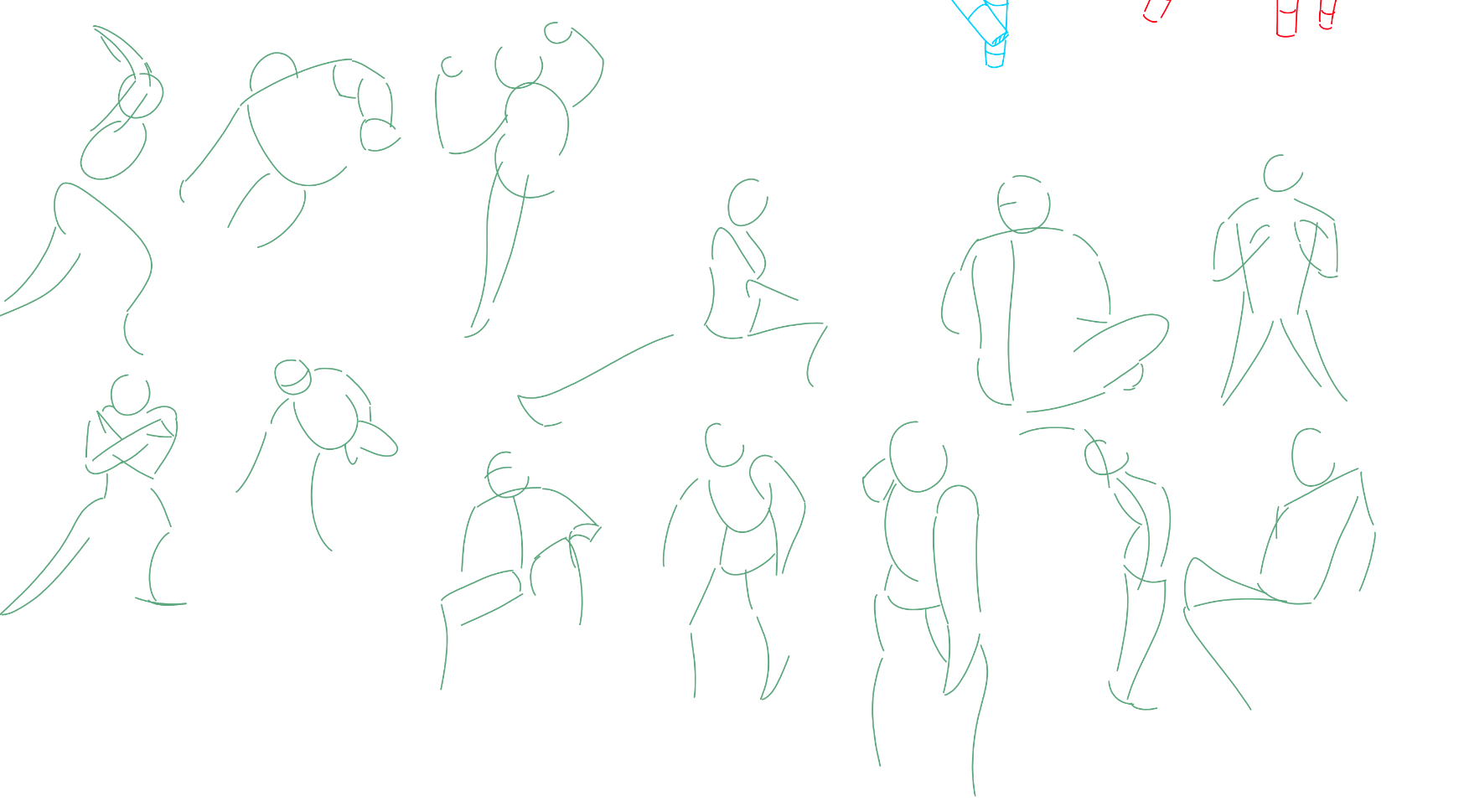
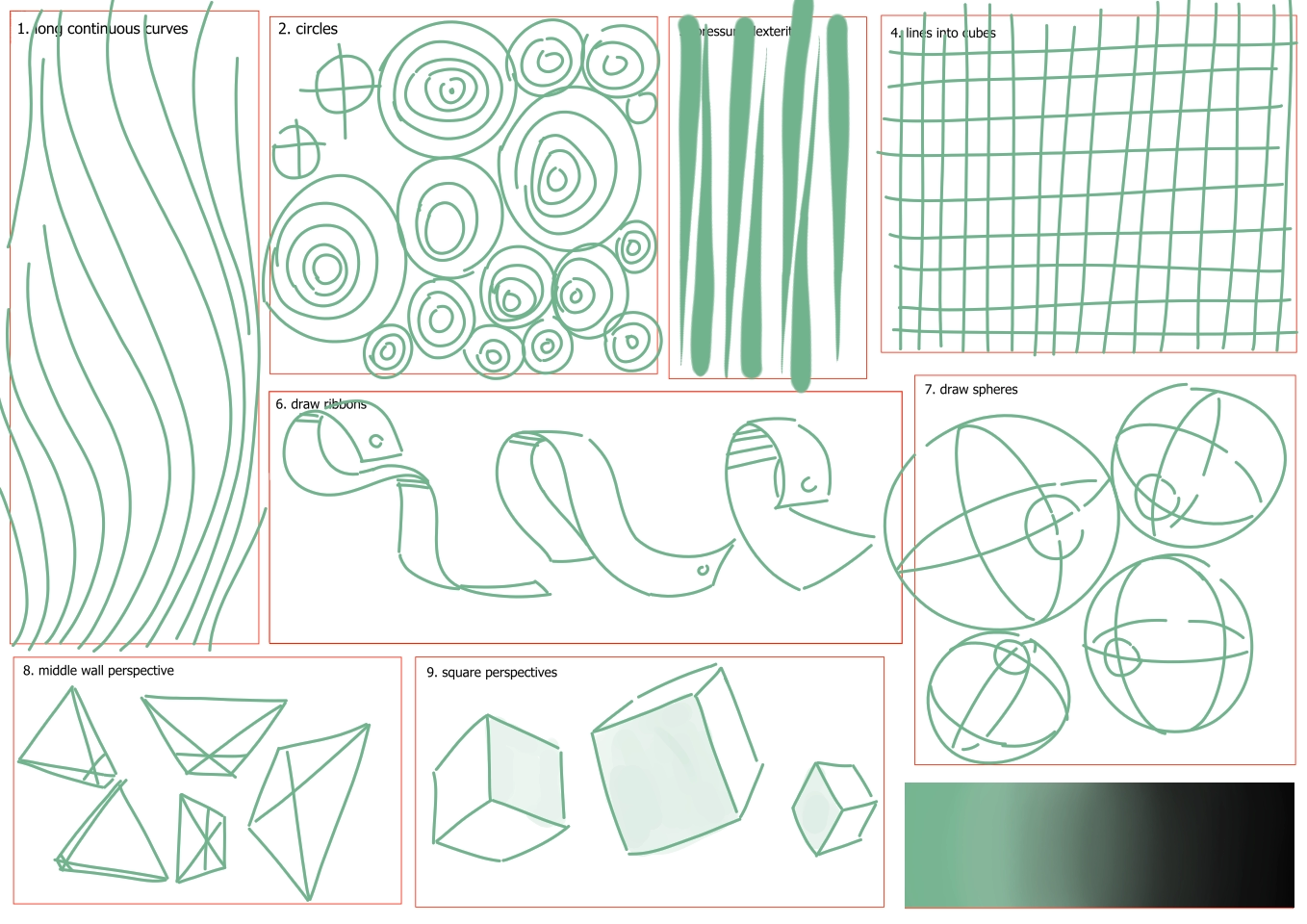
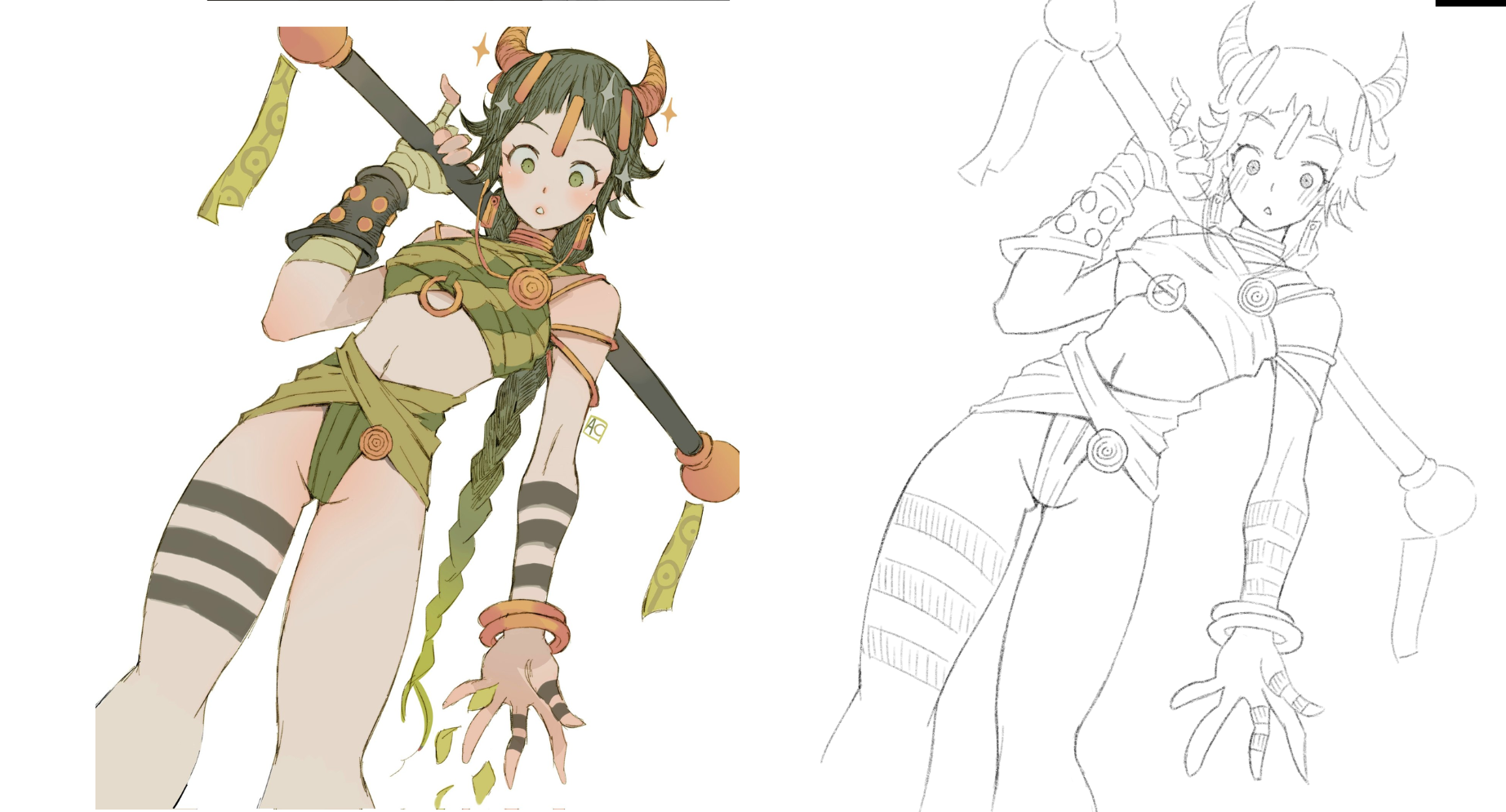
I'm no art teacher but as I see it, these copy studies can be beneficial in three ways: one, making you observe the subject very thoroughly; two, developing a basic understanding on human anatomy; and three, trying to figure out why the original artists drew things the way they did. If you improve in either of these through your studies, that's already a step forward.
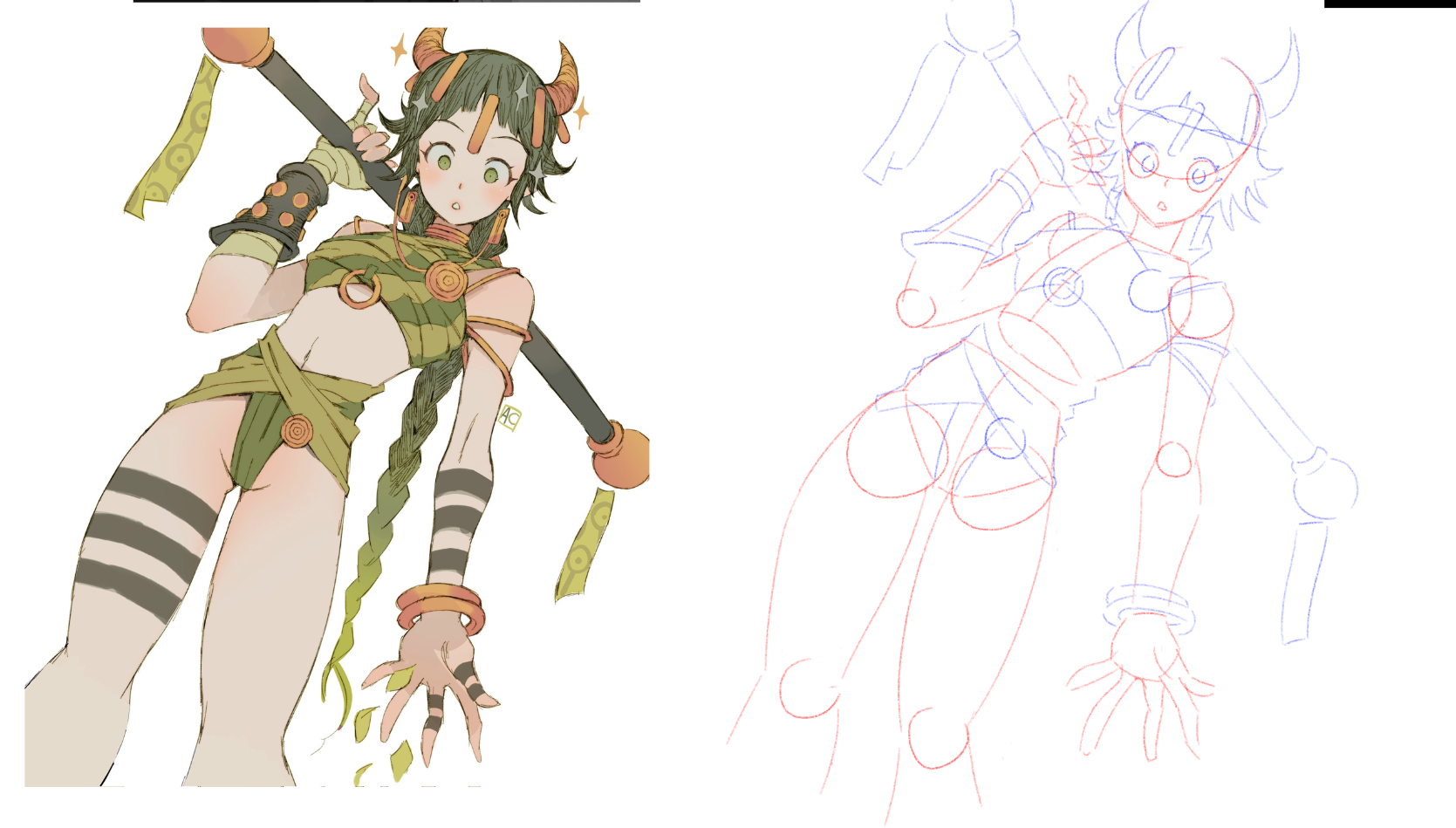
You wrote that for your next copy study, you'll focus more on the underlying shapes and forms - that's a great goal! Even if the study won't turn out exactly as the original, you'll still have learnt something simply by having thought about what basic shapes to put where.
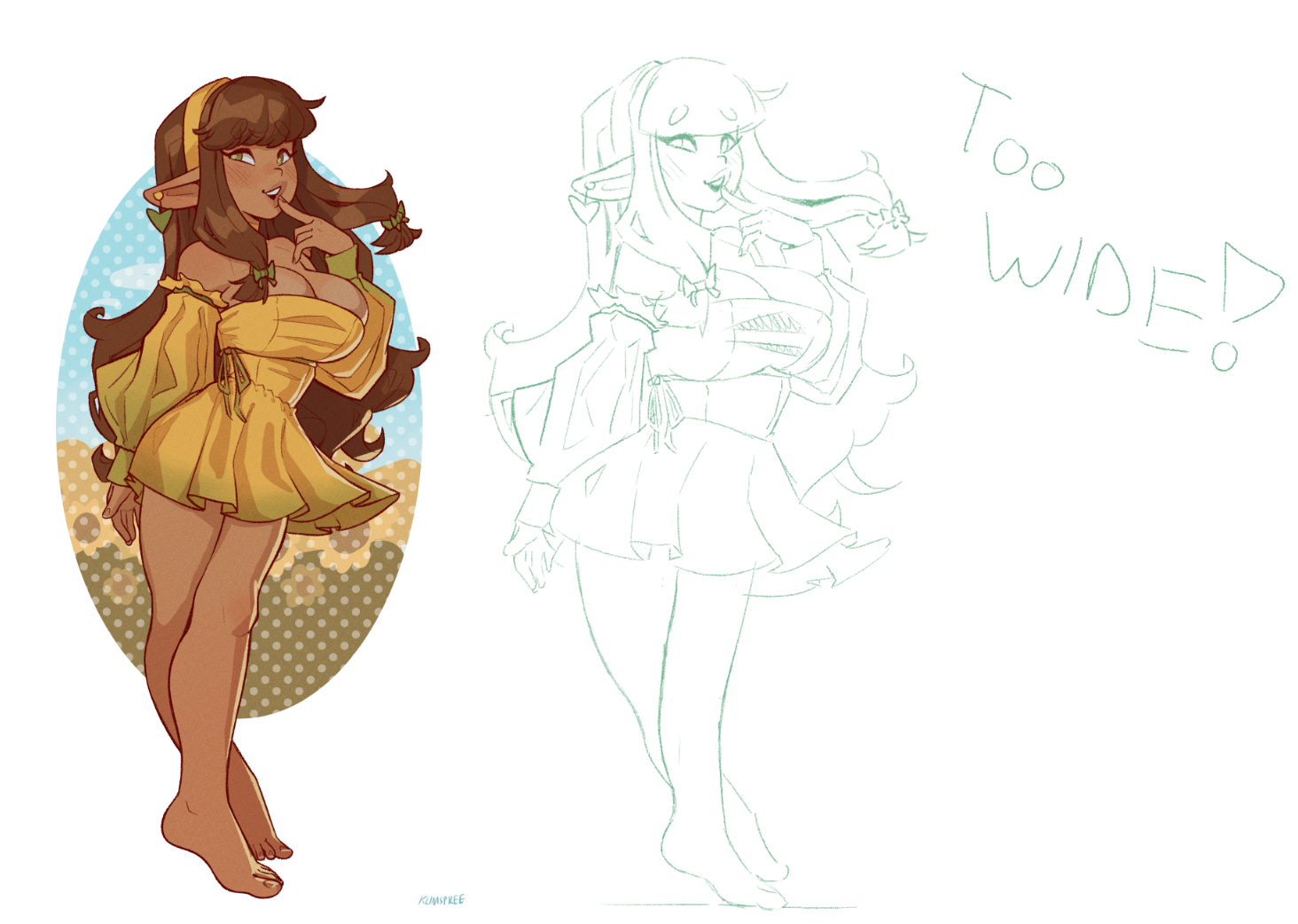
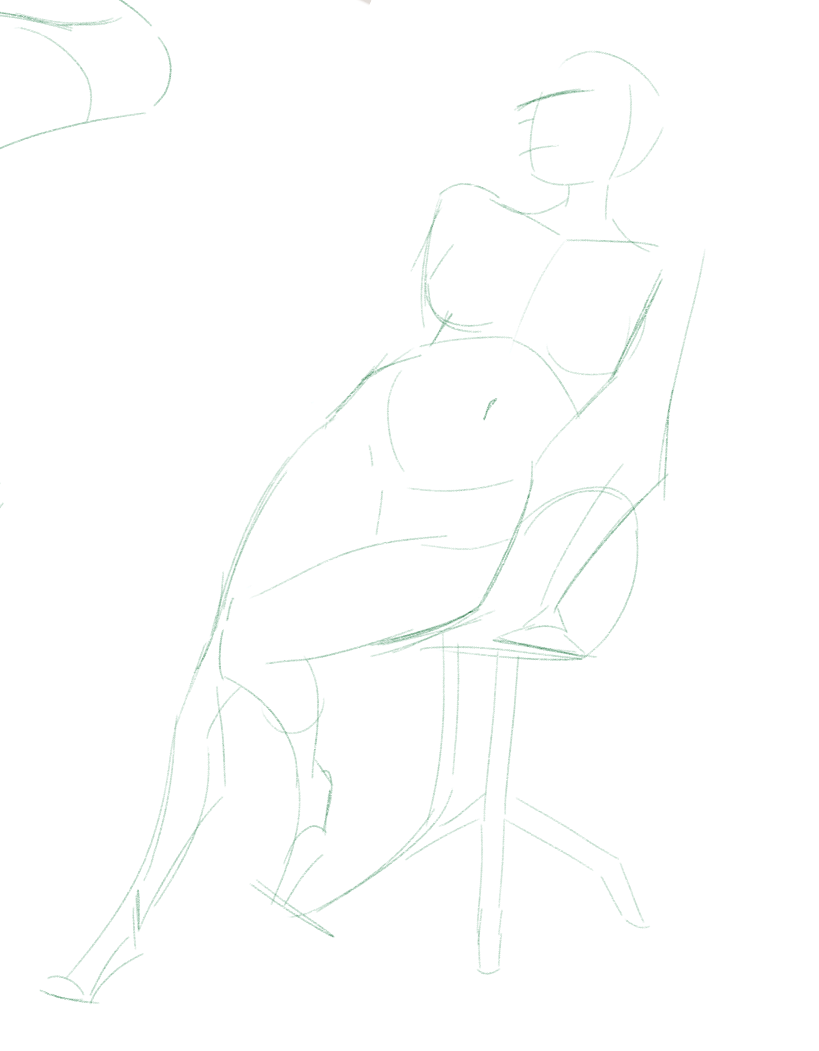
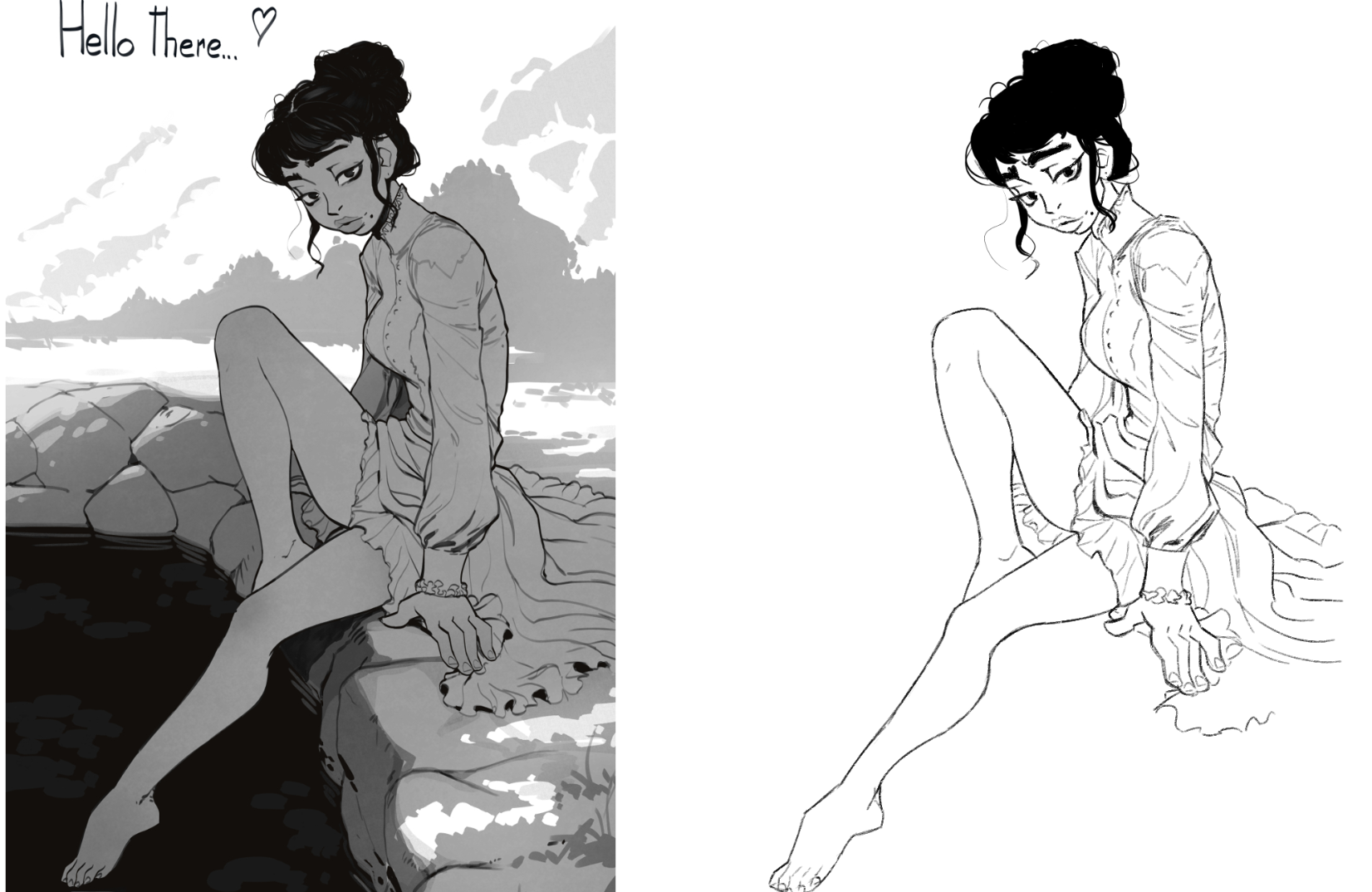
In the above example, her shapes are stylised but still very clearly defined in the original: for example, it's obvious where the knees are. In your copy, the shapes of the leg are much more vague, which makes them look wonky (in contrast to her wrists, for example, which turned out great!). In these cases, it might help to not only look at the original drawing but deliberately think about where her joints etc. should be, and put them in there along with the lineart, perhaps on another layer which you can turn off.
I also recommend making your copy the exact same size as the original, it makes measuring much easier. You can just draw a rectangle around the original, copy/paste it, and put your drawing in there.