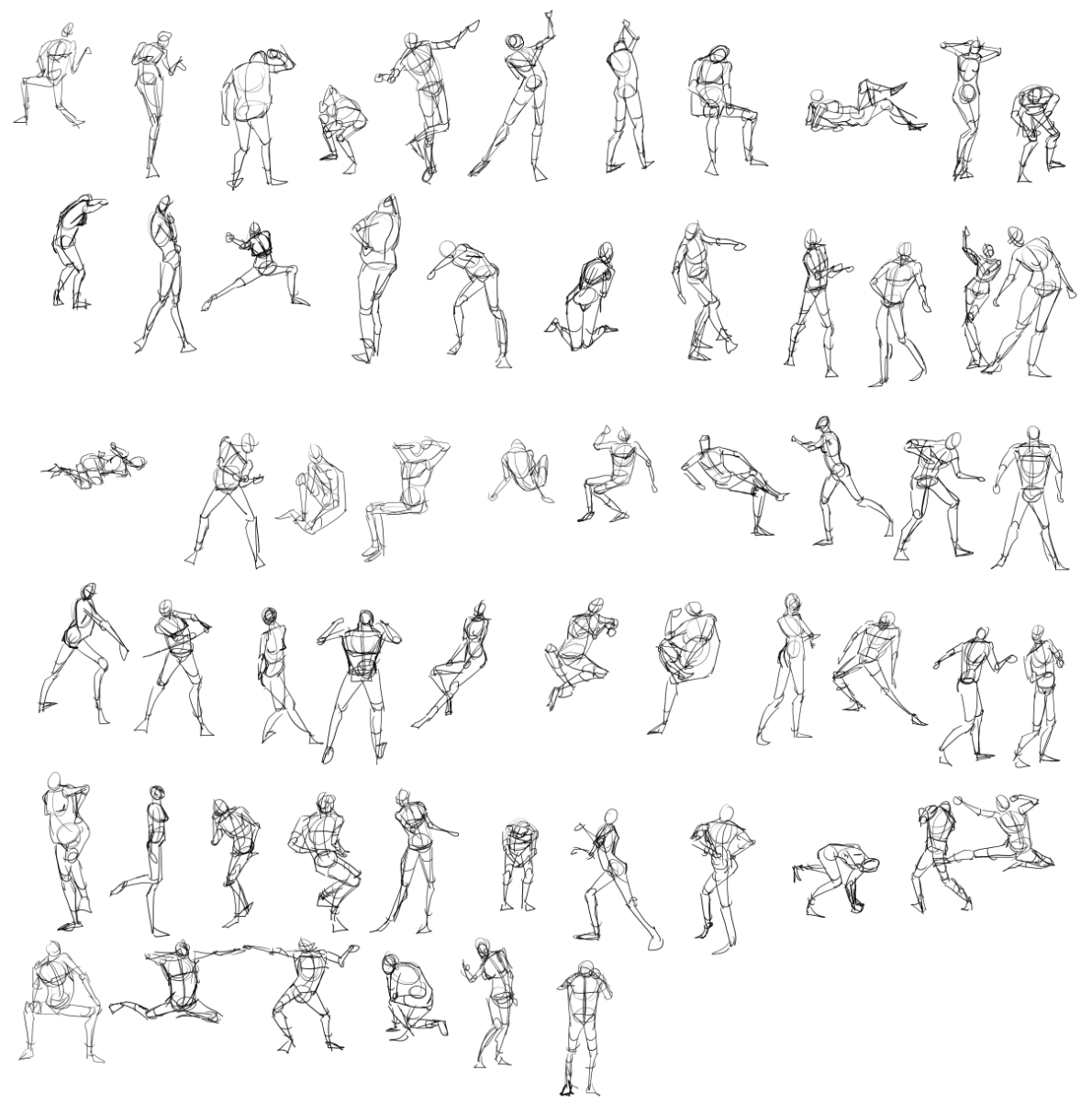
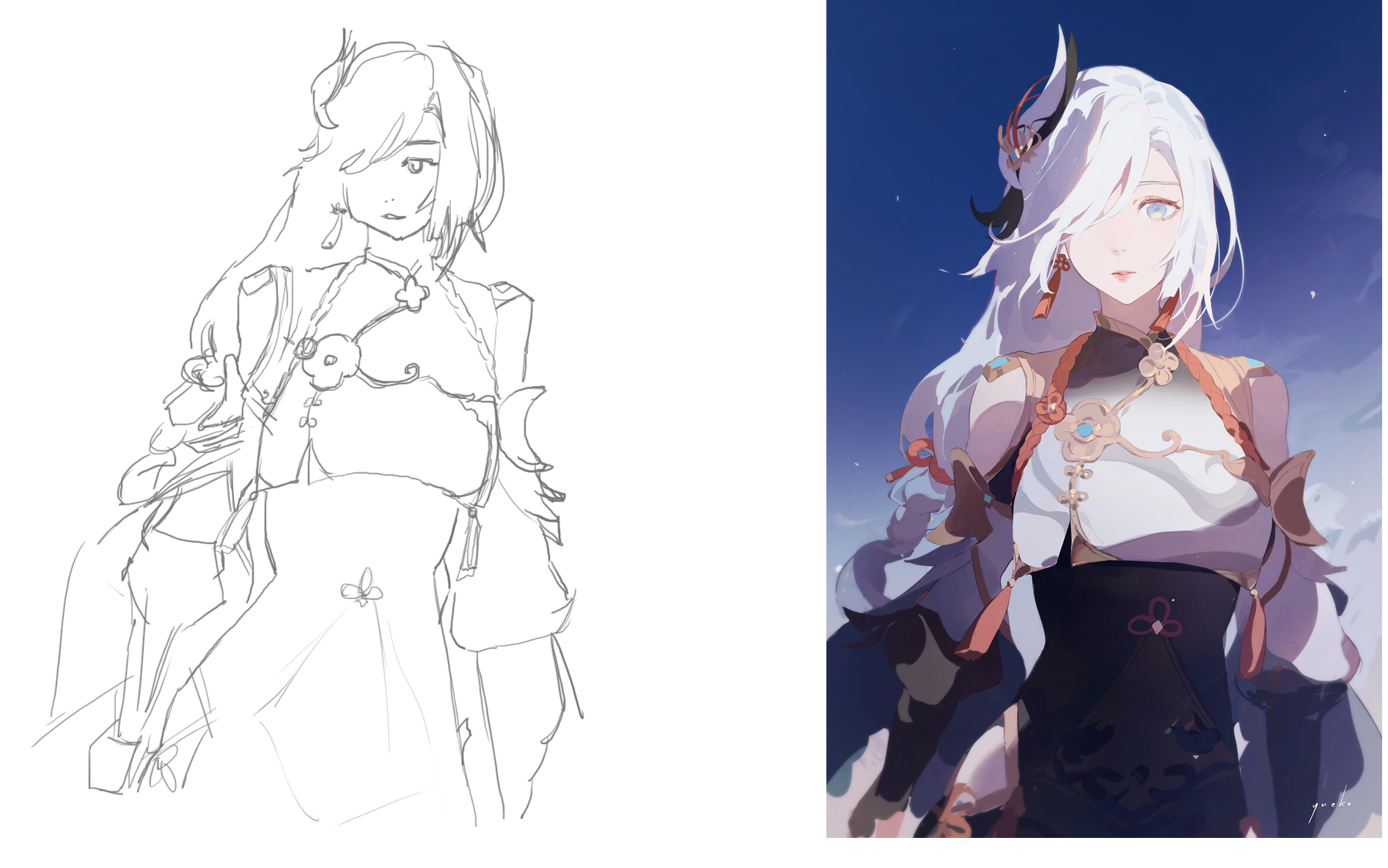
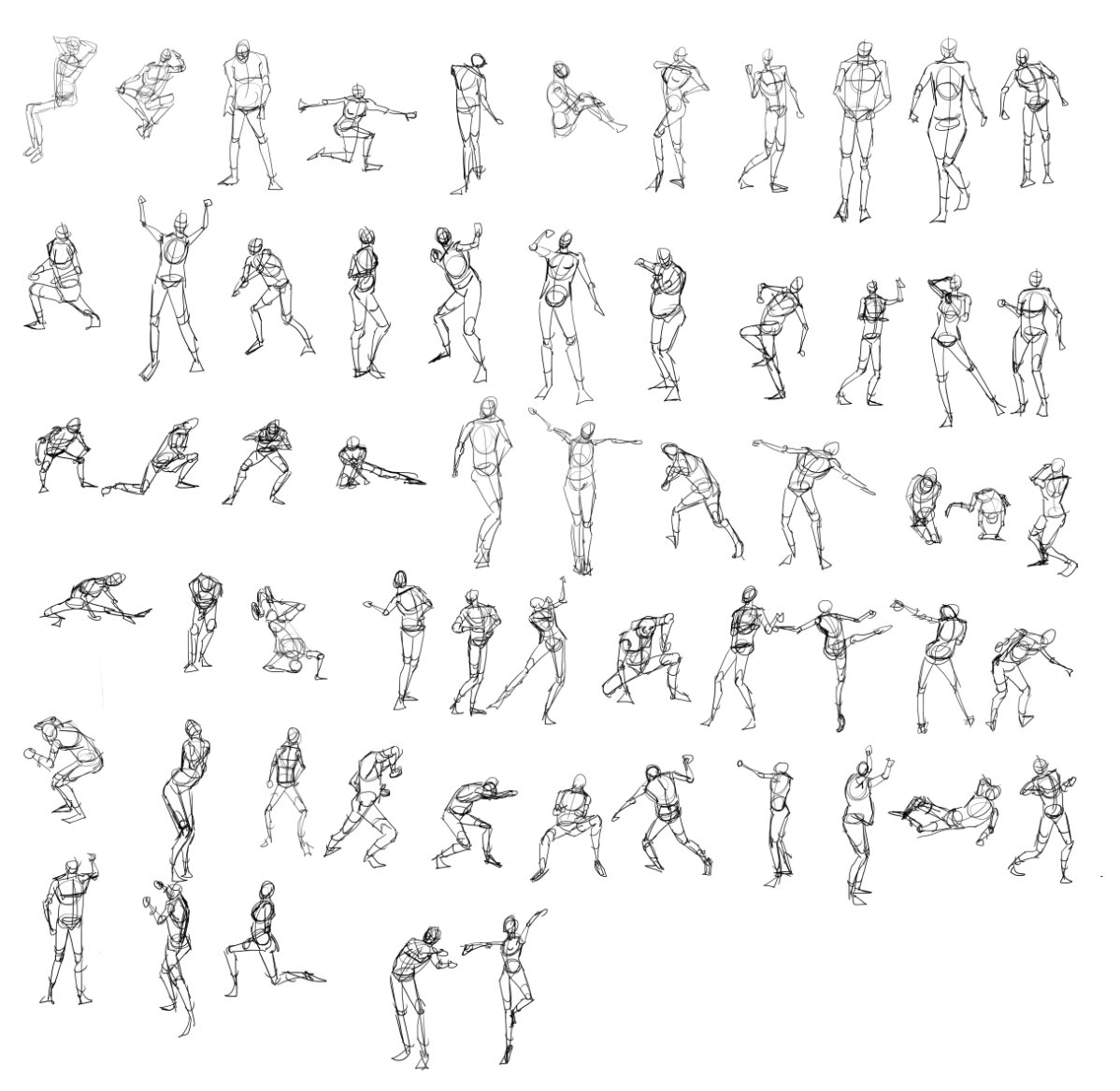
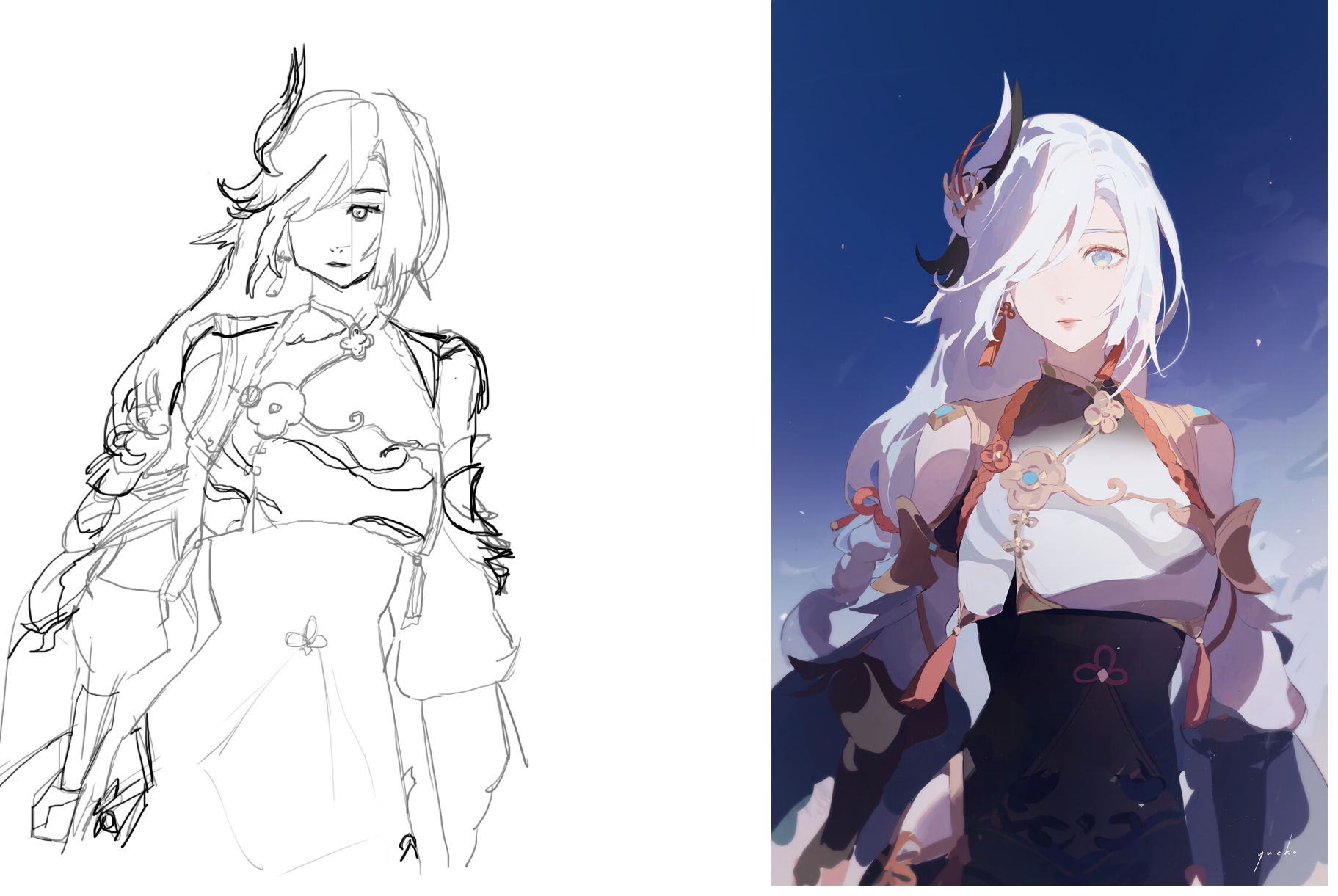
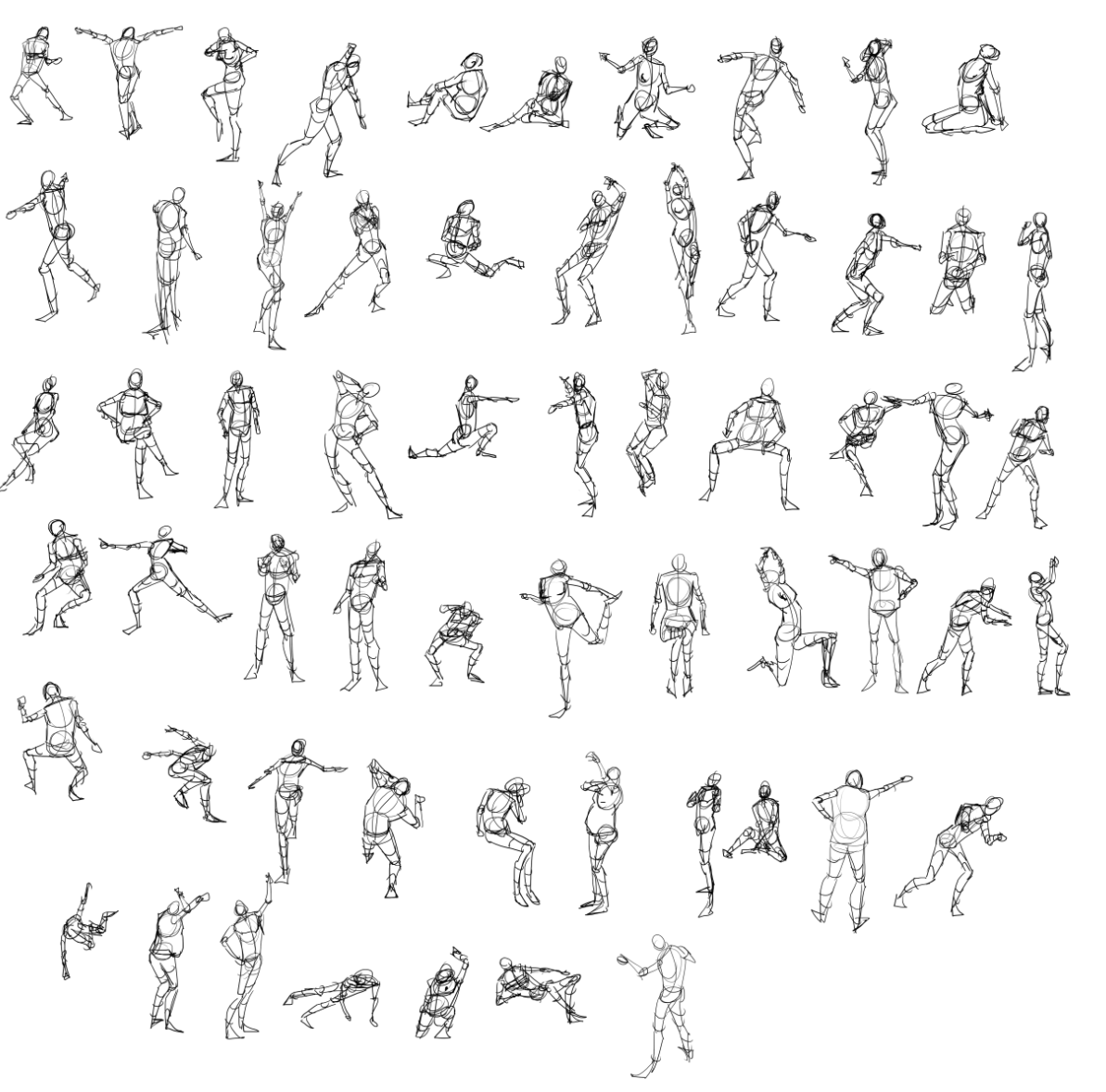
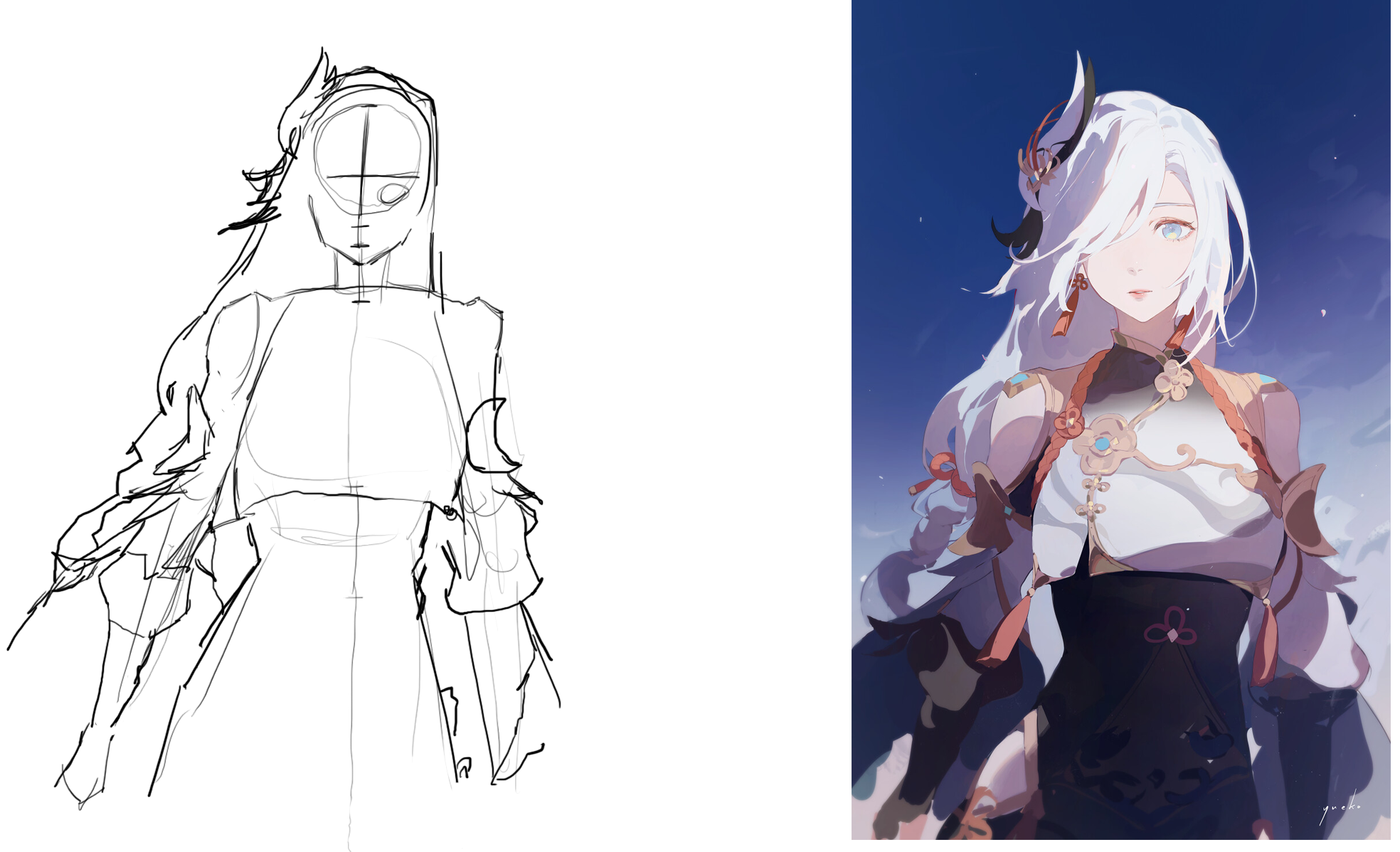
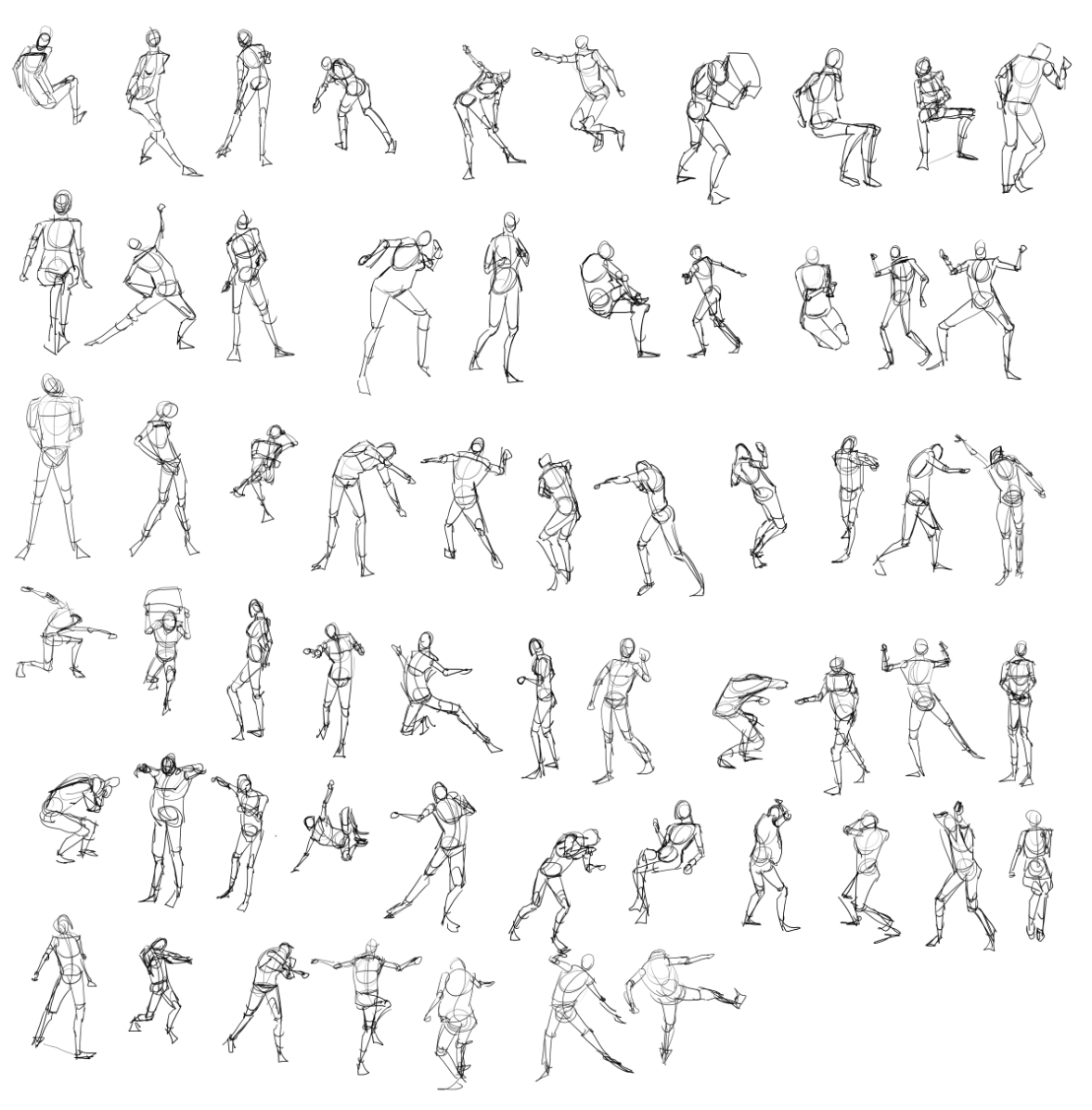
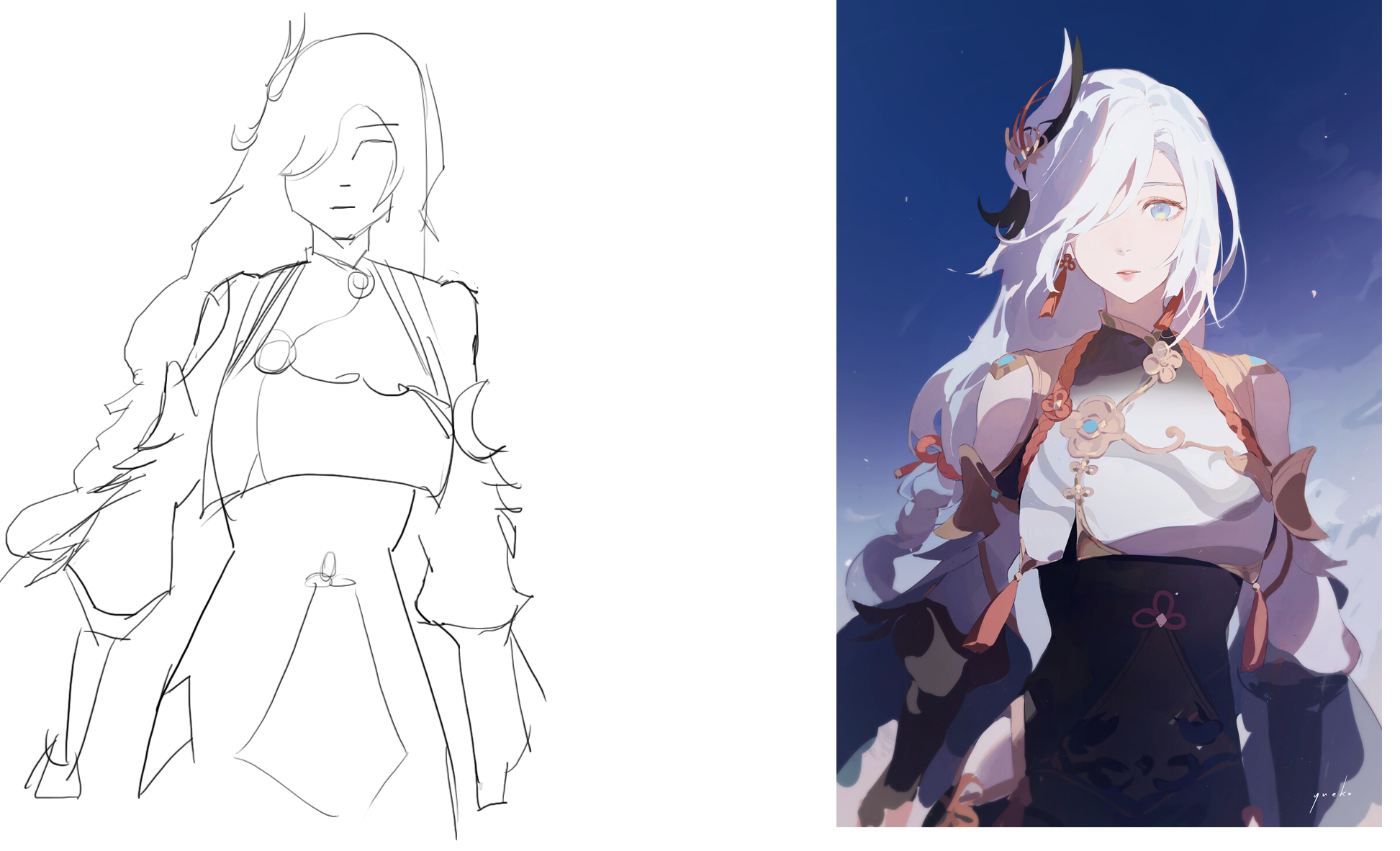
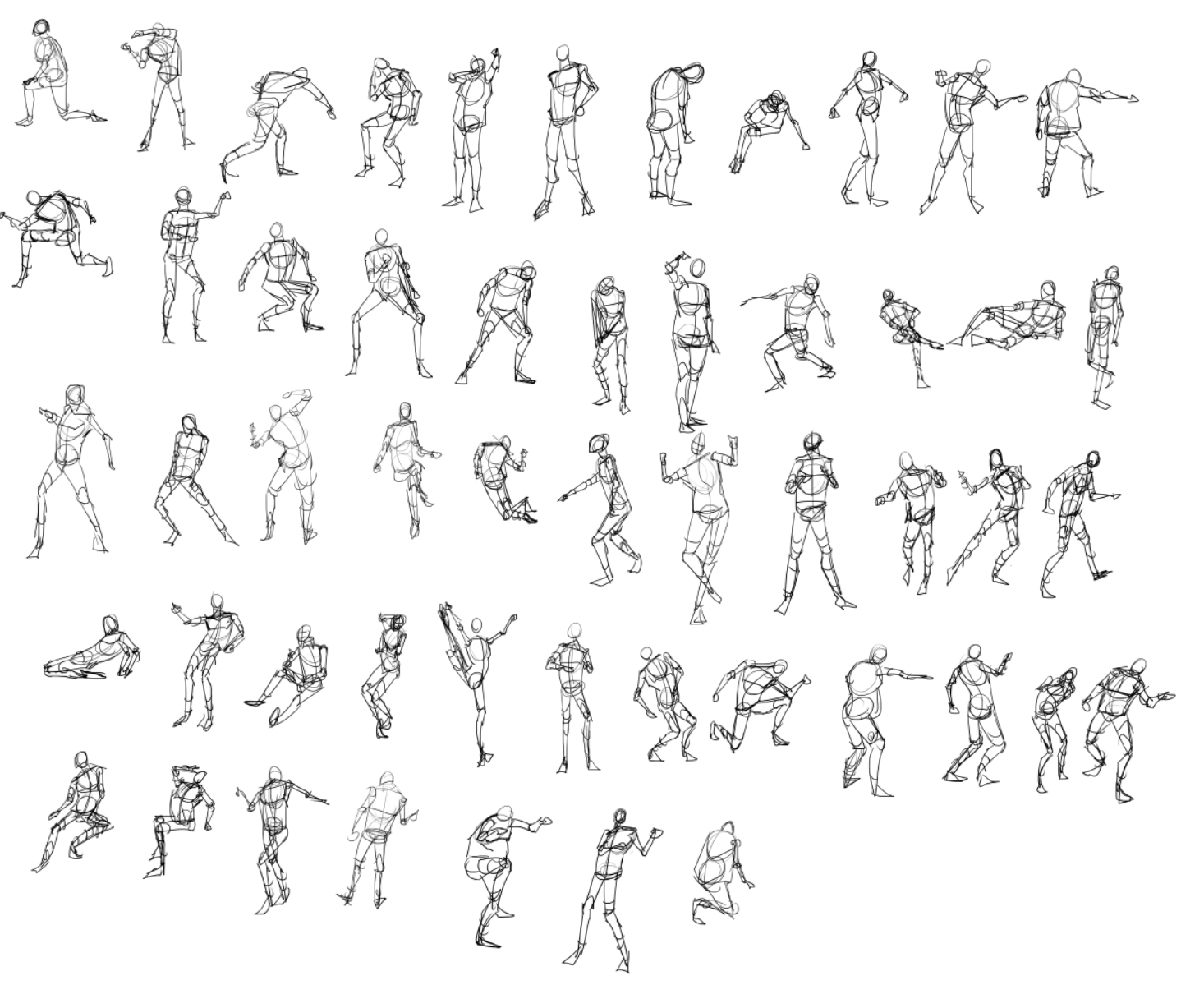
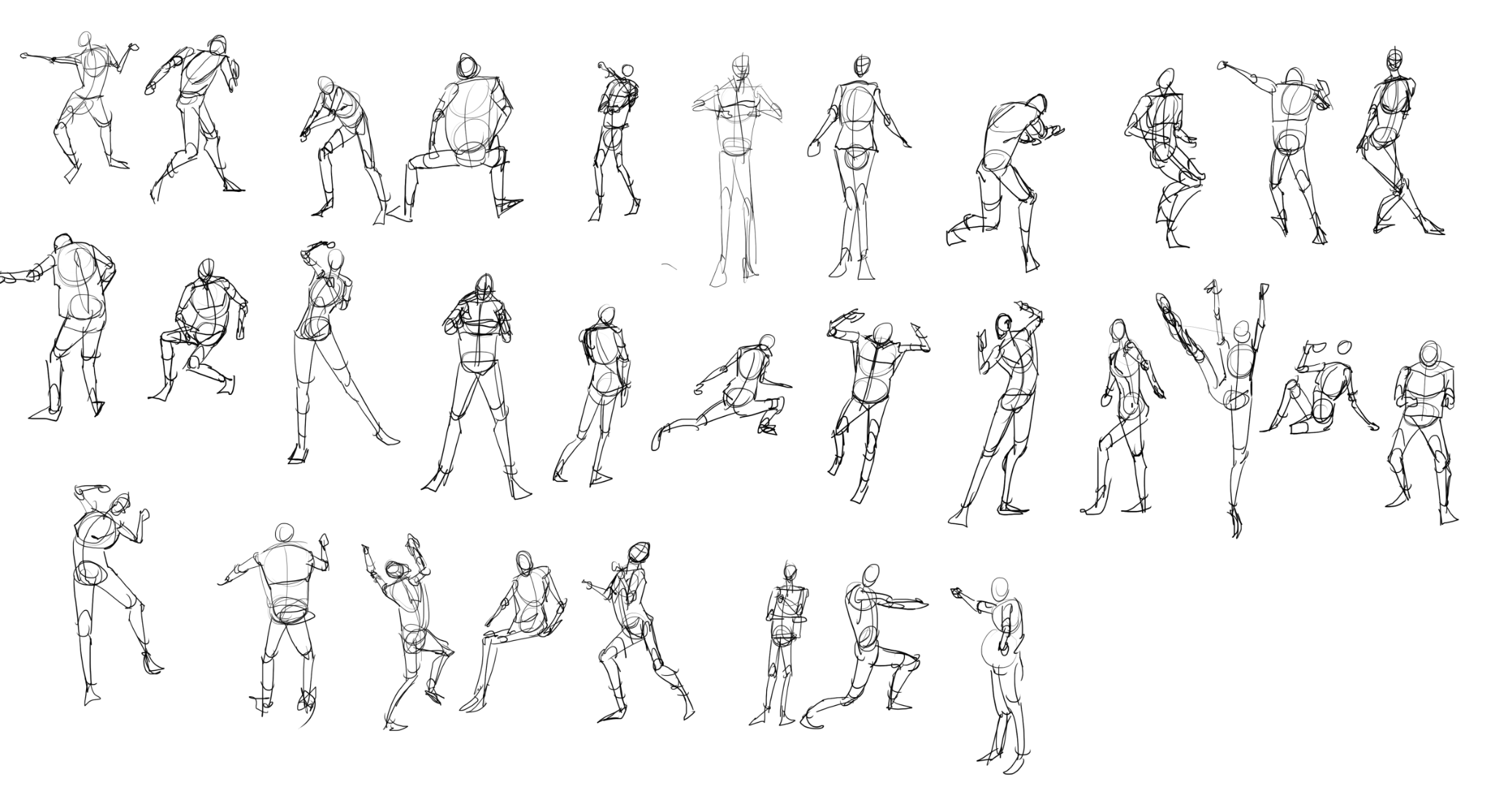
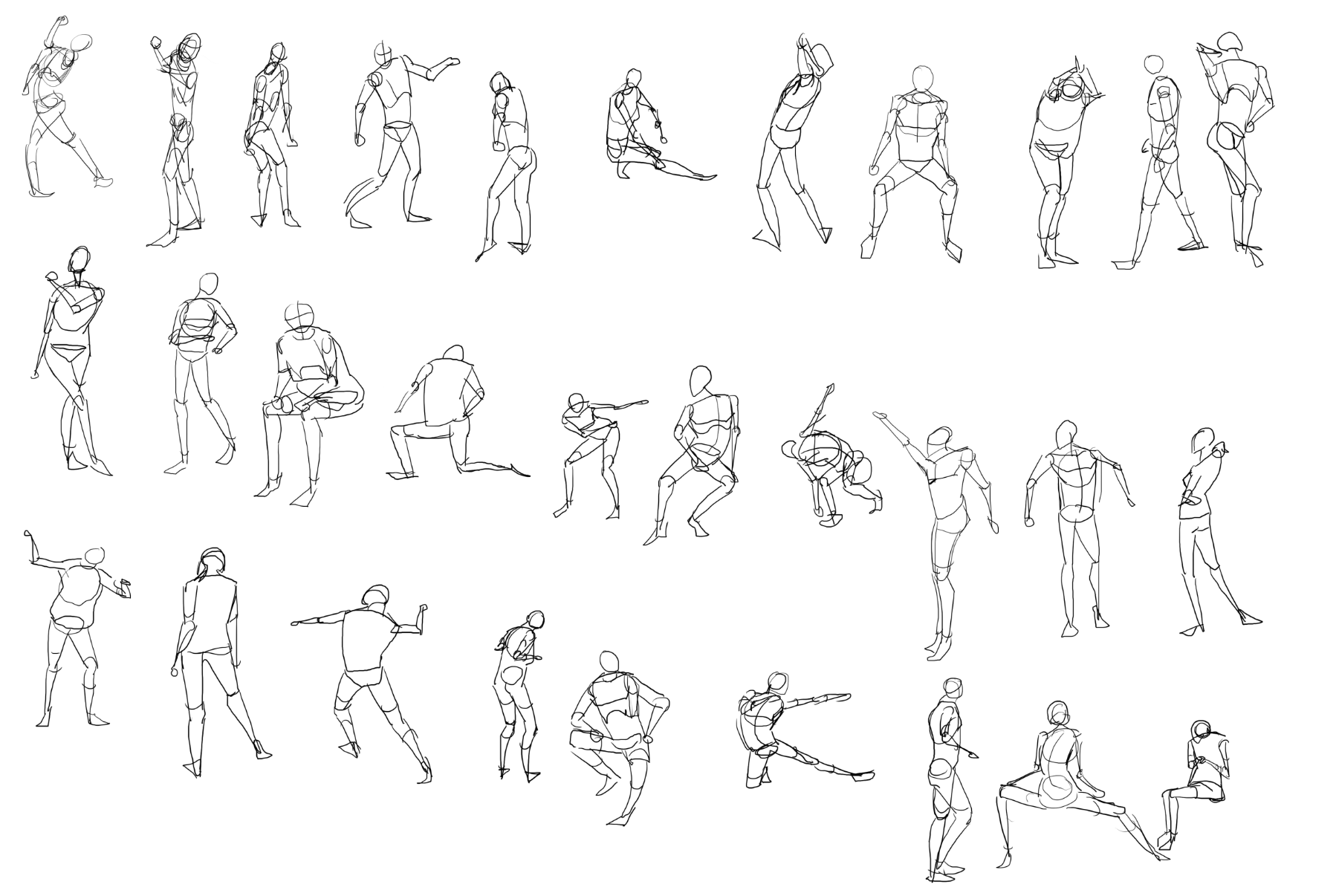
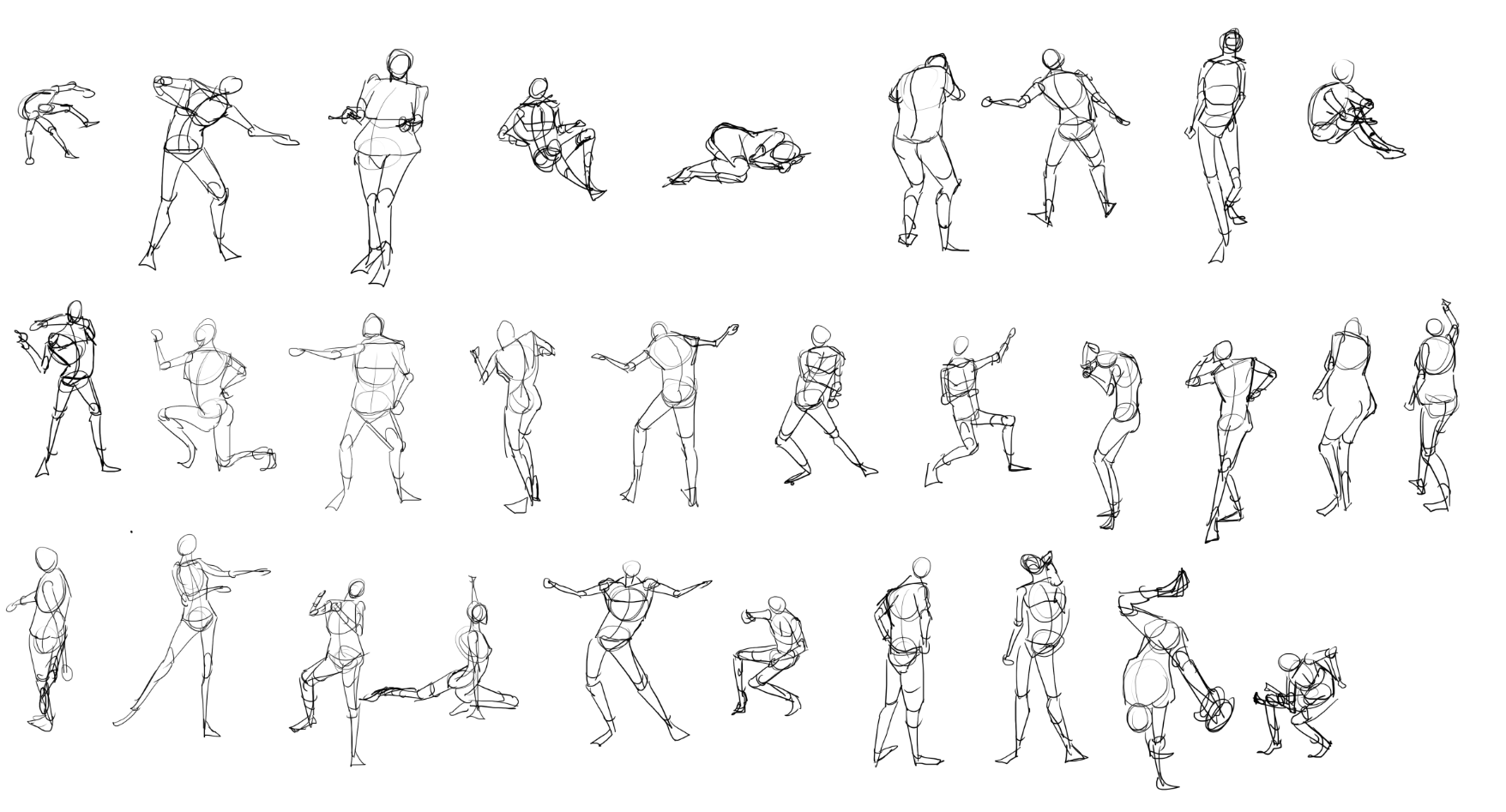
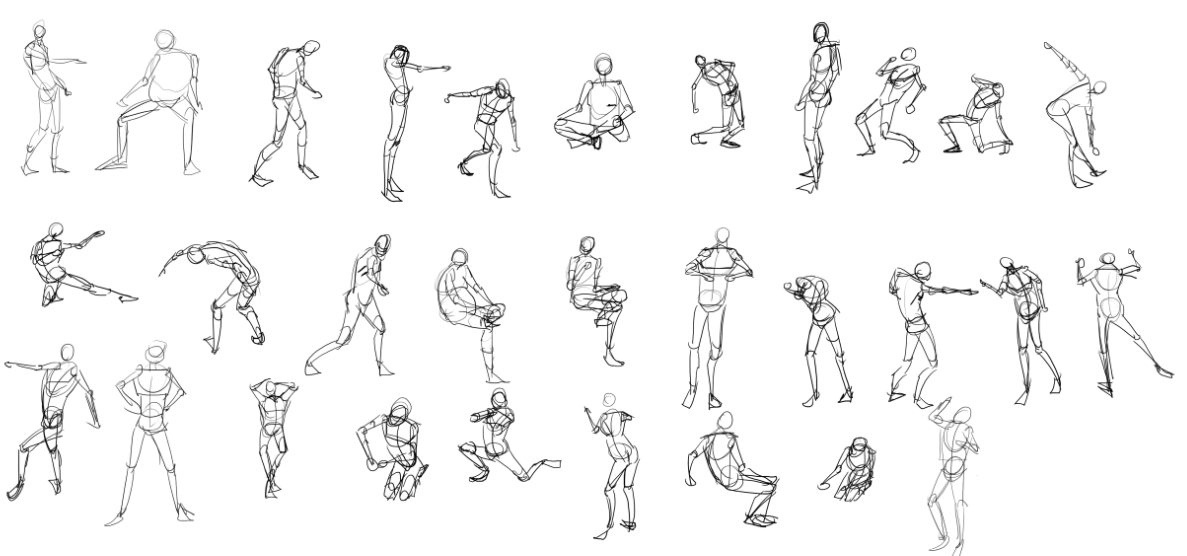
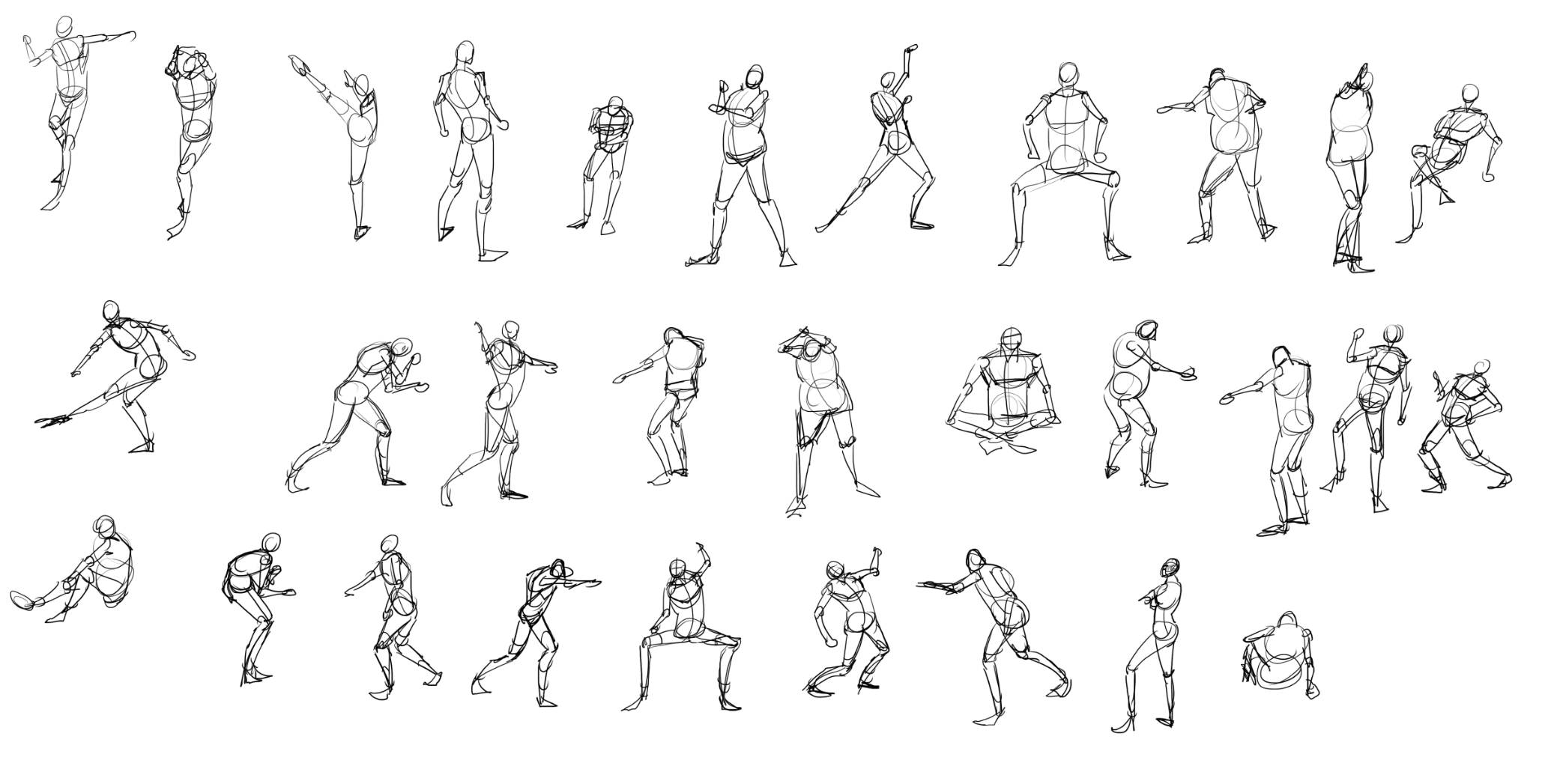
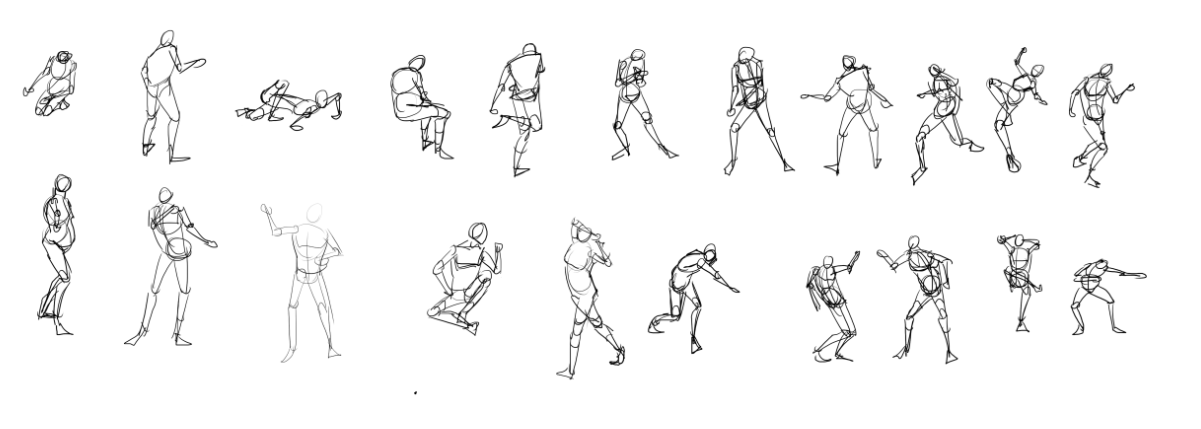
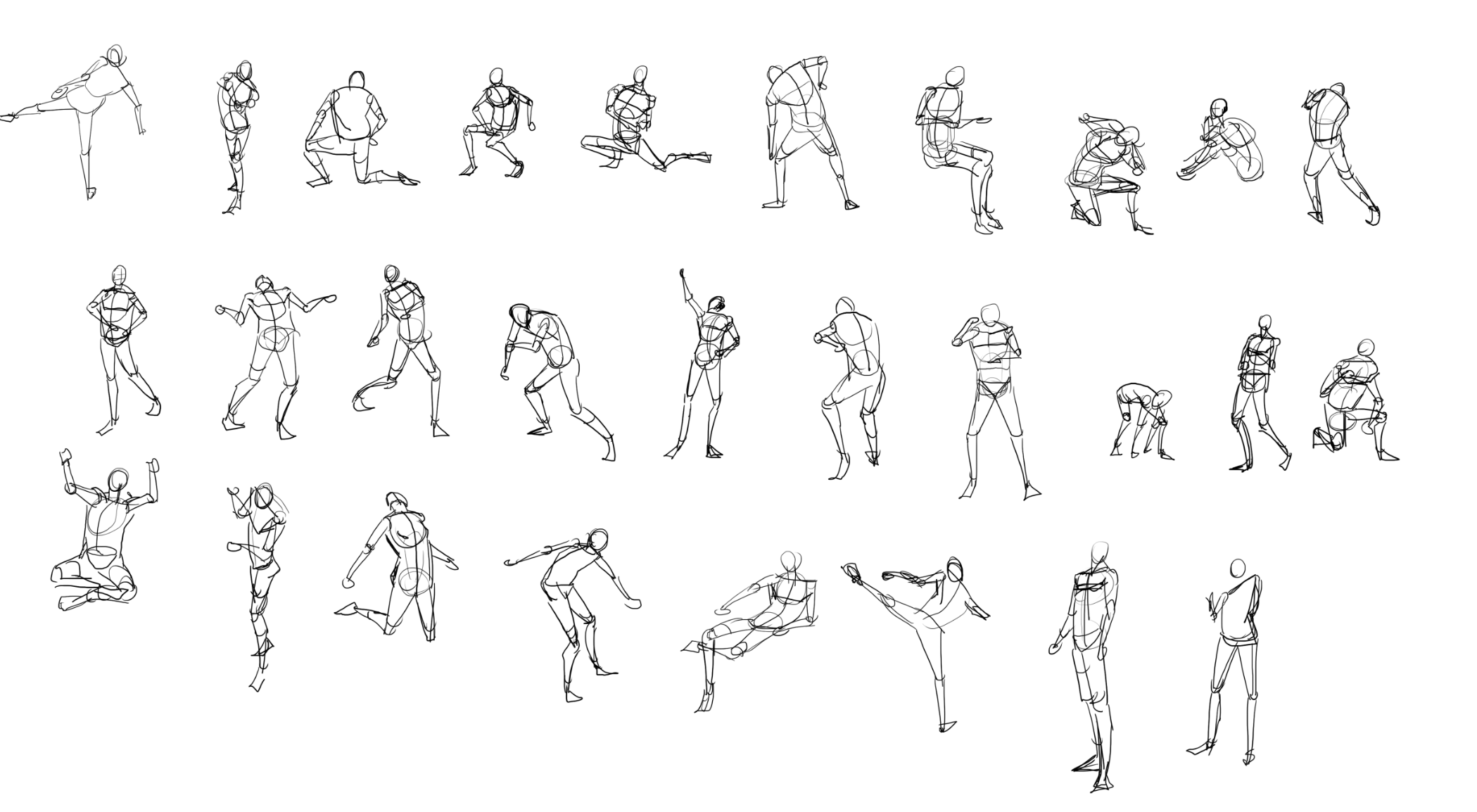
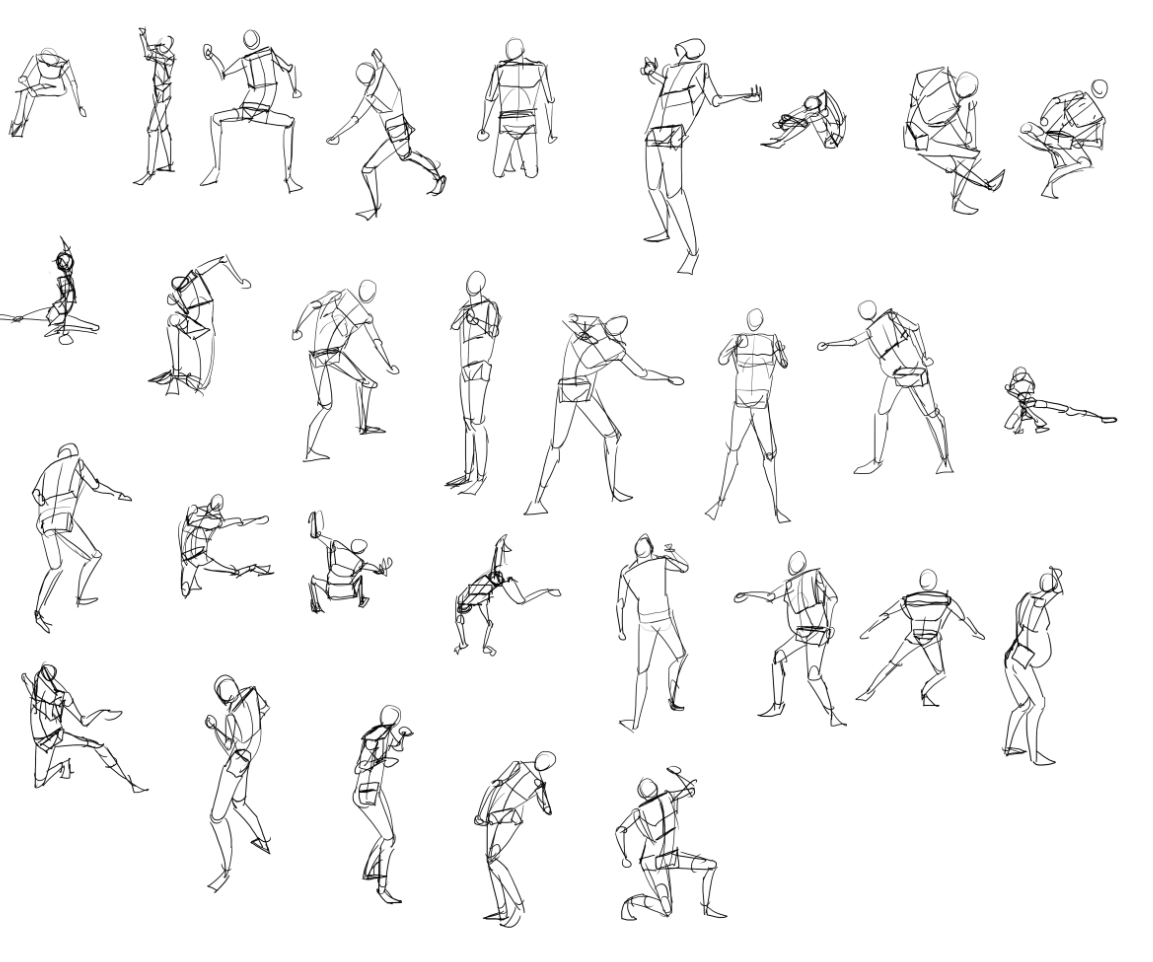
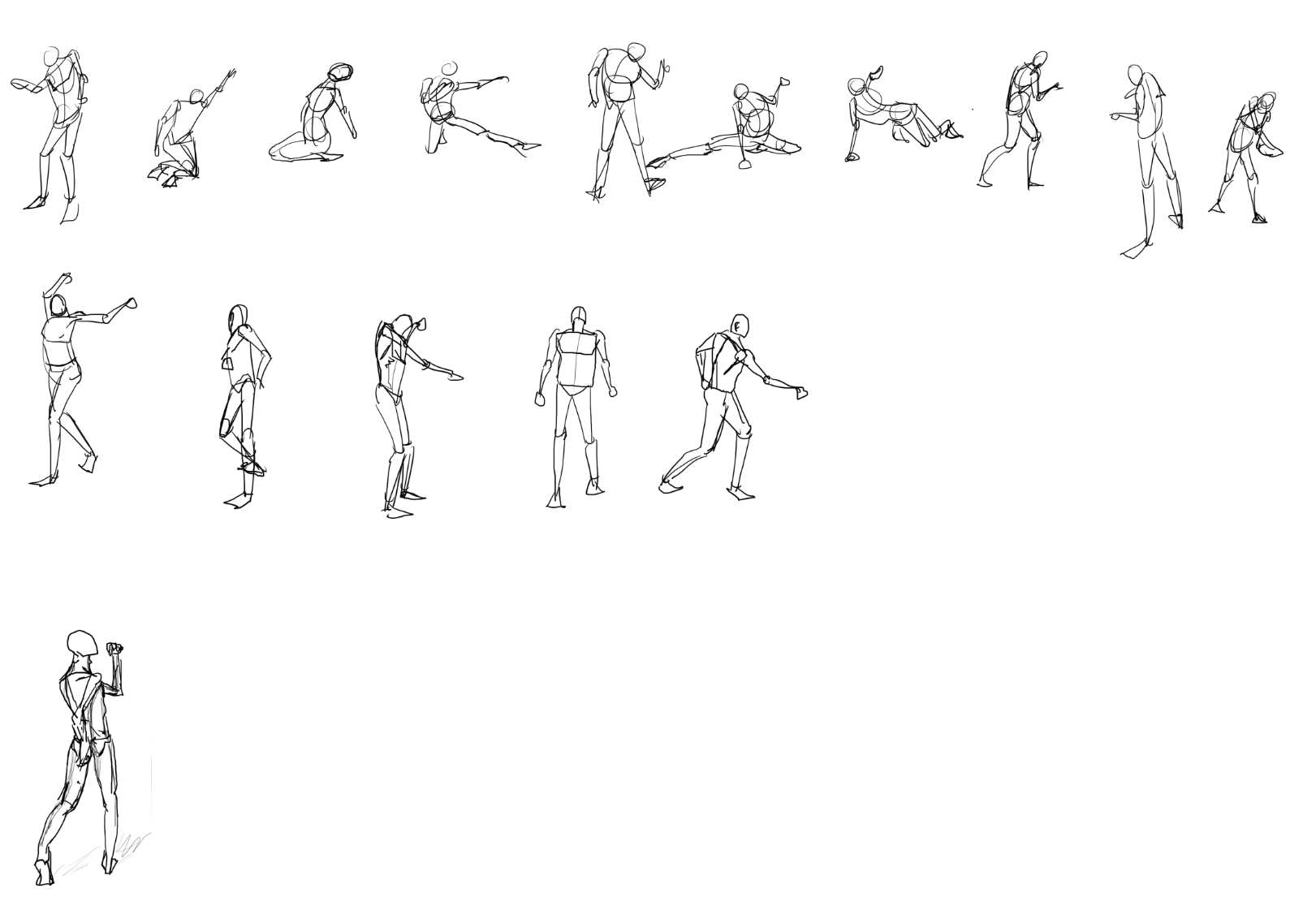
I highly recommend MB's recent YT video "How to OBSERVE like an artist (portrait drawing example)" and going through the same process he does. After a dozen studies going through everything you should see things more clearly and detect the differences between what you have drawn and the reference.:
A few other things that might be helpful:
- Find a bunch of the "spot the differences" comparison images. Sounds simple, but it trains your eye to compare near-identical images. Applied to studies, it's basically the same process, but there's a lot more differences as you work to constantly scan between the two and make corrections.
- Verbalize. I have found it helpful to verbalize what I am seeing and use the correct art language to describe it. MB is doing that throughout all his videos, so pretend you are making a video and explaining what you are doing. All of that reinforces what you are doing. That verbalization is almost like you are in a class being taught by someone, because you are engaging what you are doing on multiple levels.
- Critiques. Look at other people's artwork here on the forum (and elsewhere) and describe using art language what they have done and if there are things that you spot that aren't quite right, share that information with them in a polite and respectful manner. Feel free to do that to my stuff on here and I'll give you some feedback on how to critique, if you want.
- Draw what you see, not what you think you see. I'll point you back to Betty Edwards "Drawing on the Right Side of the Brain" because it is a great book. Here is a decent YT video about the book and what is in there:
Beyond the observational stuff, I think you could benefit from working on your line quality and pen control. Here's another of MB YT videos on this topic. I learned a ton from this one.
Keep on working on it! Showing up is half the battle! Cheers!
-Jim