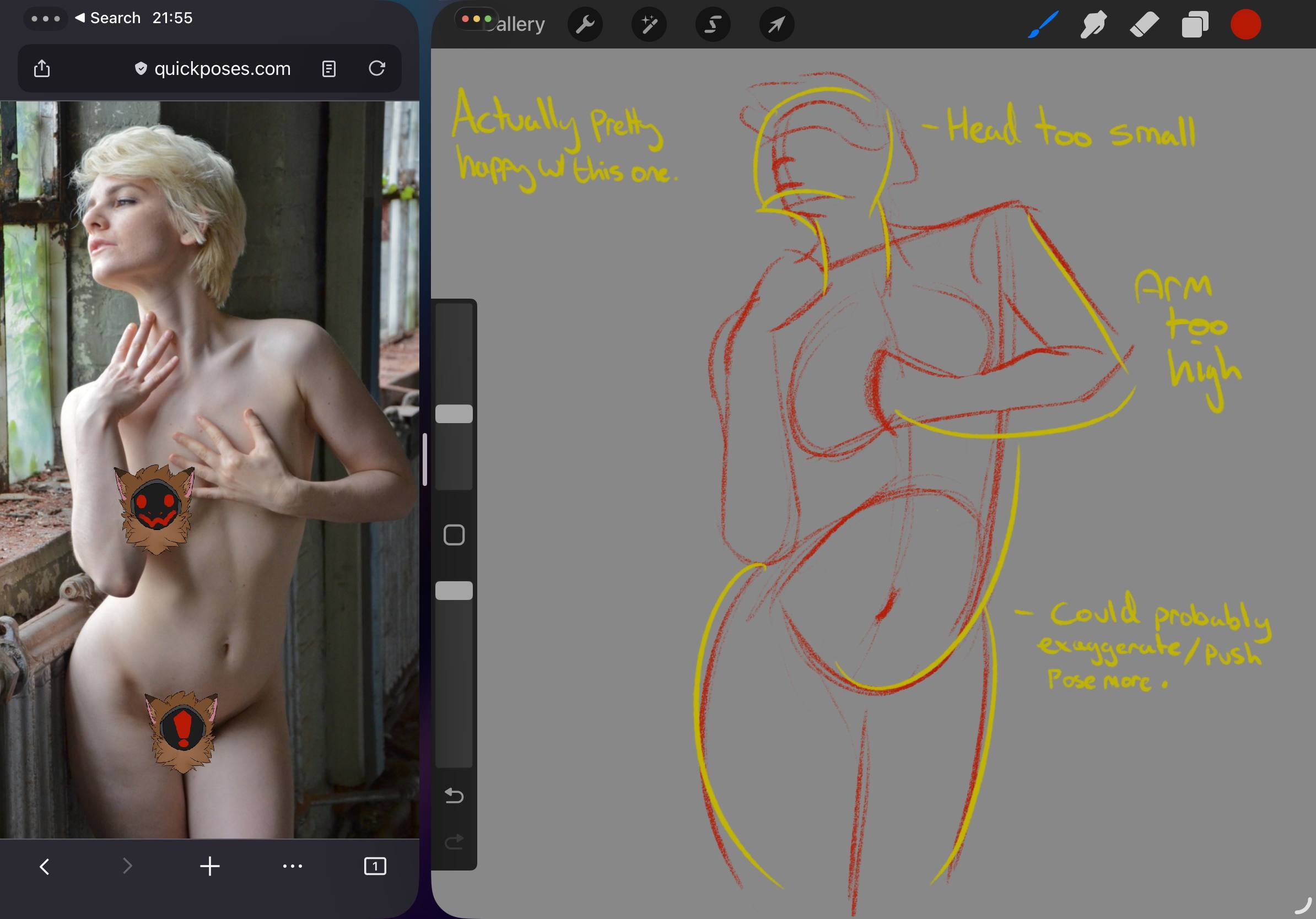
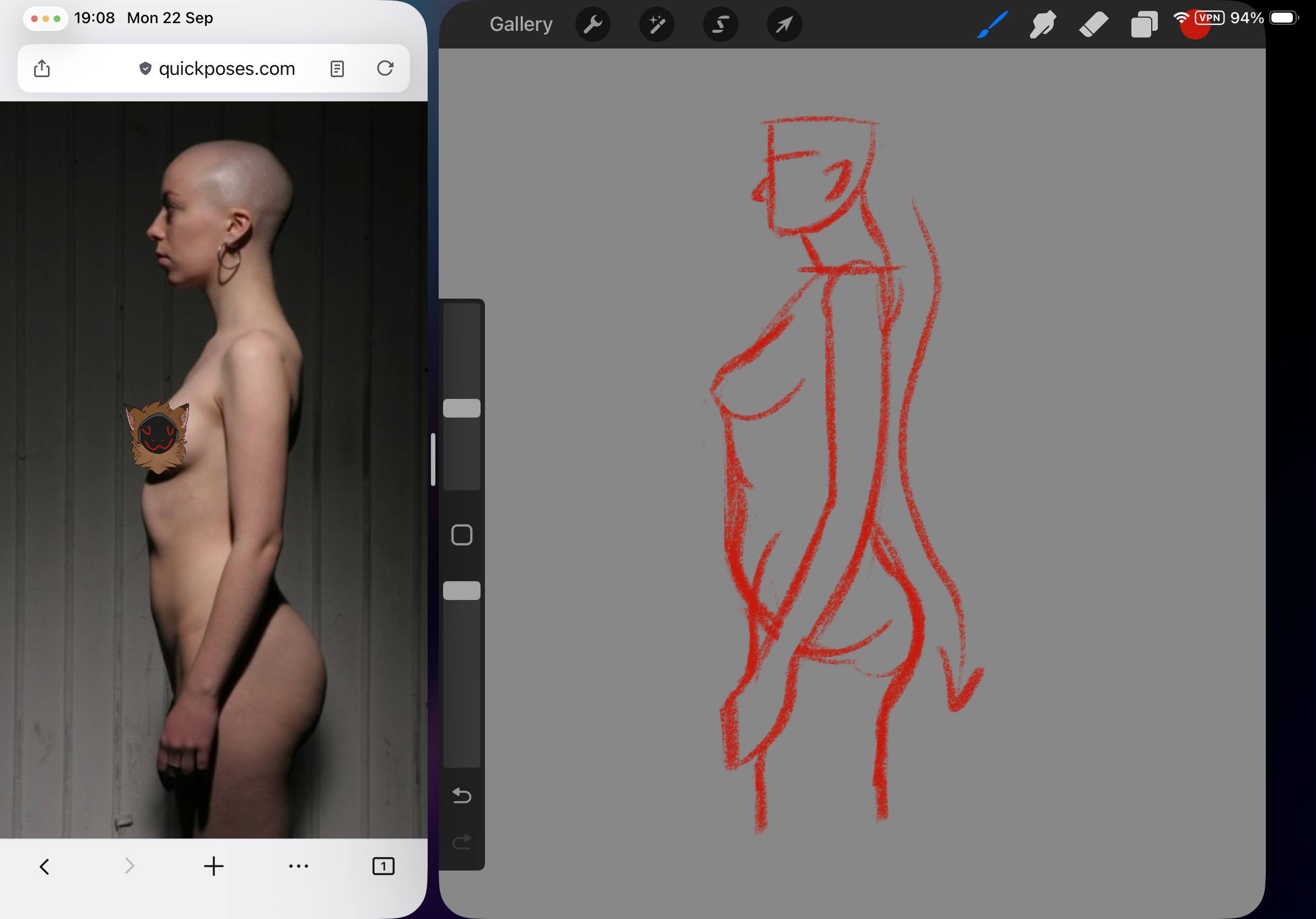
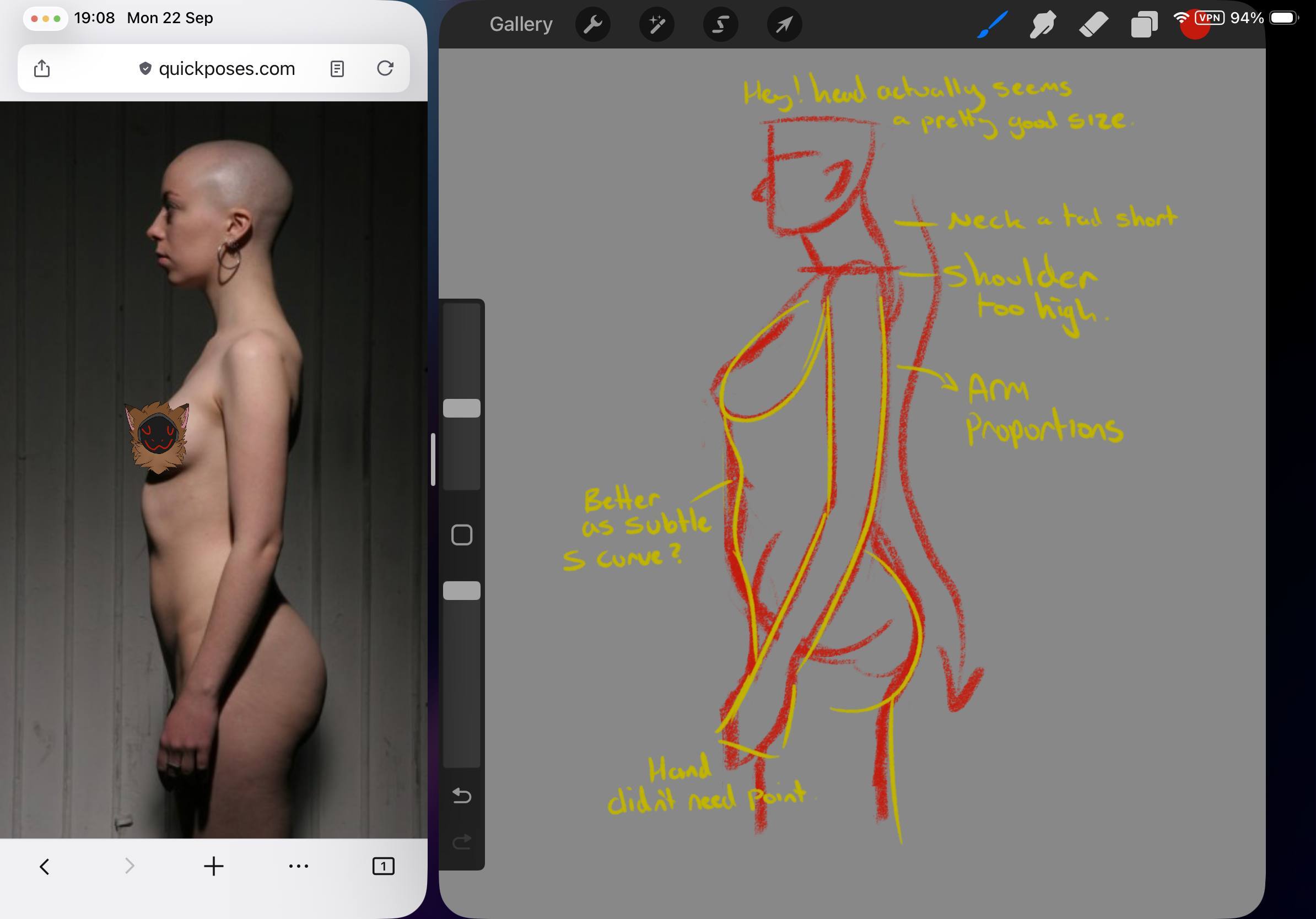
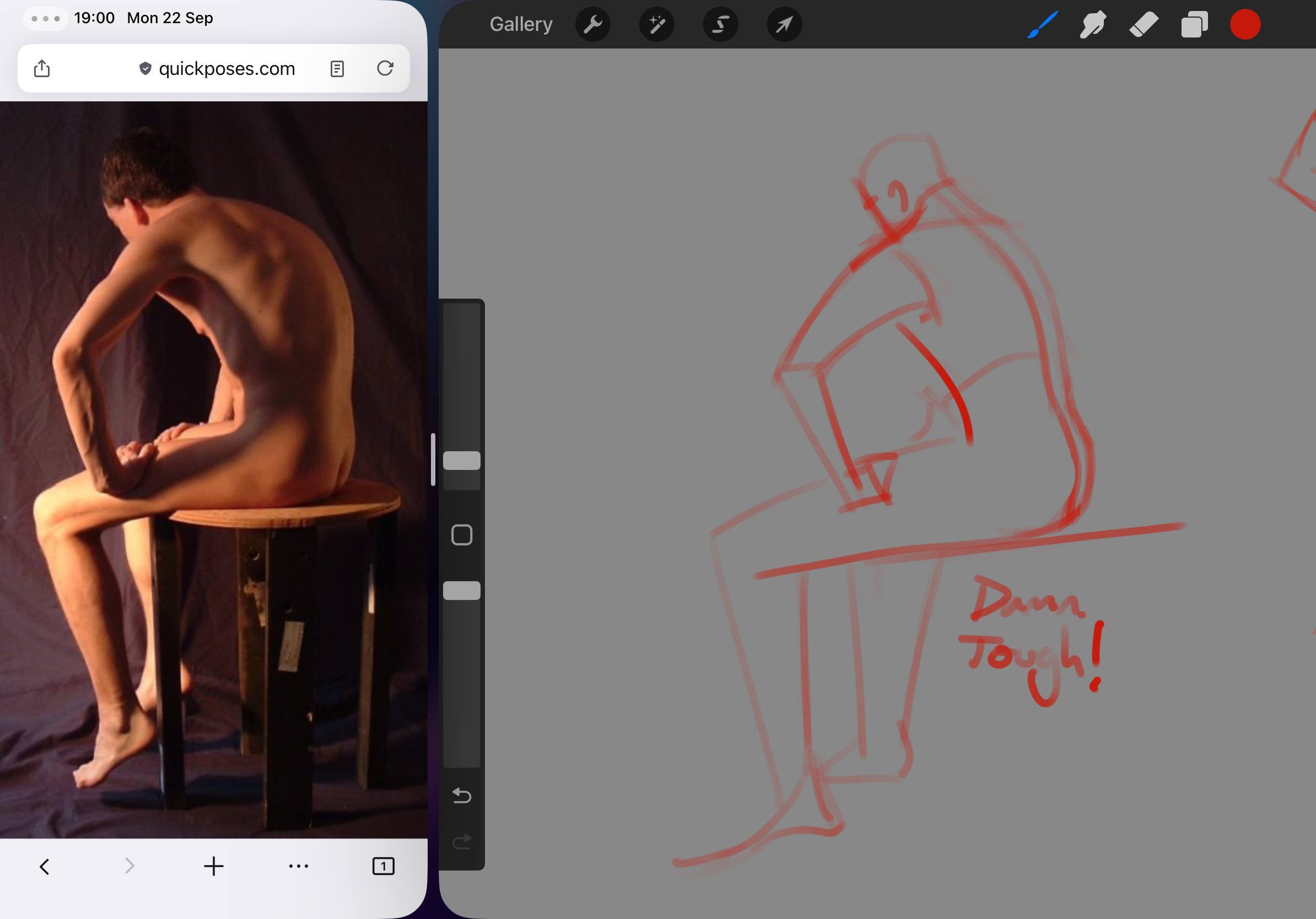
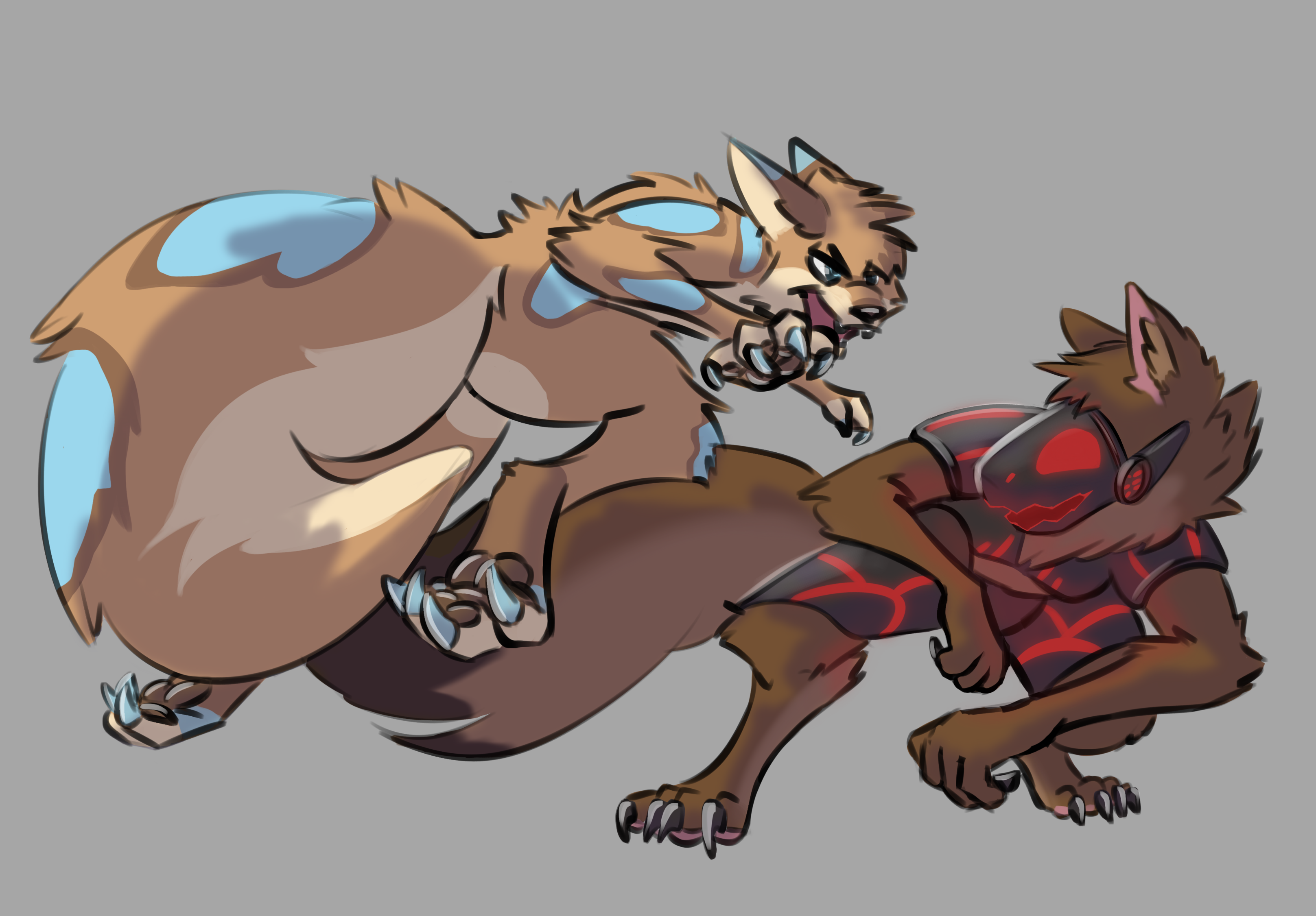
It's possible.
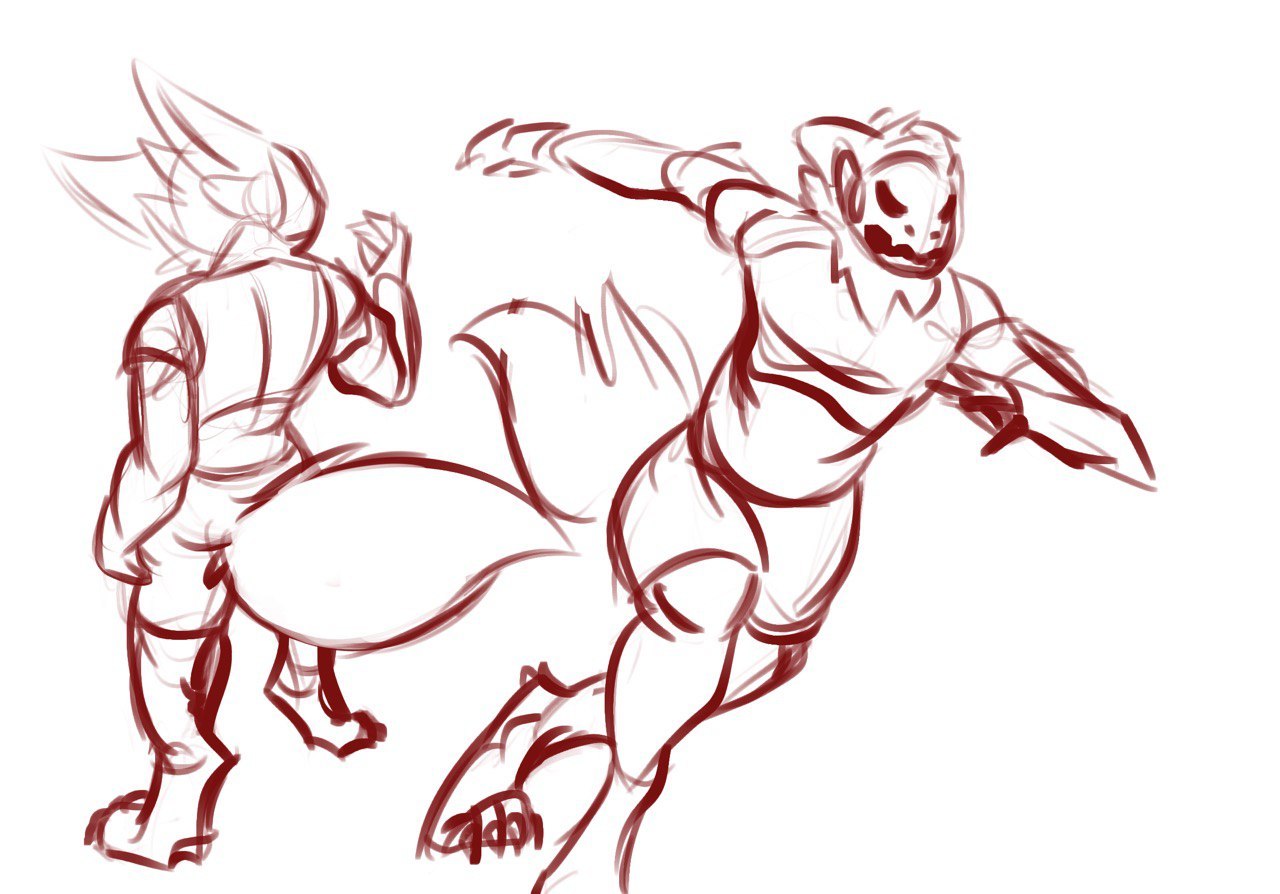
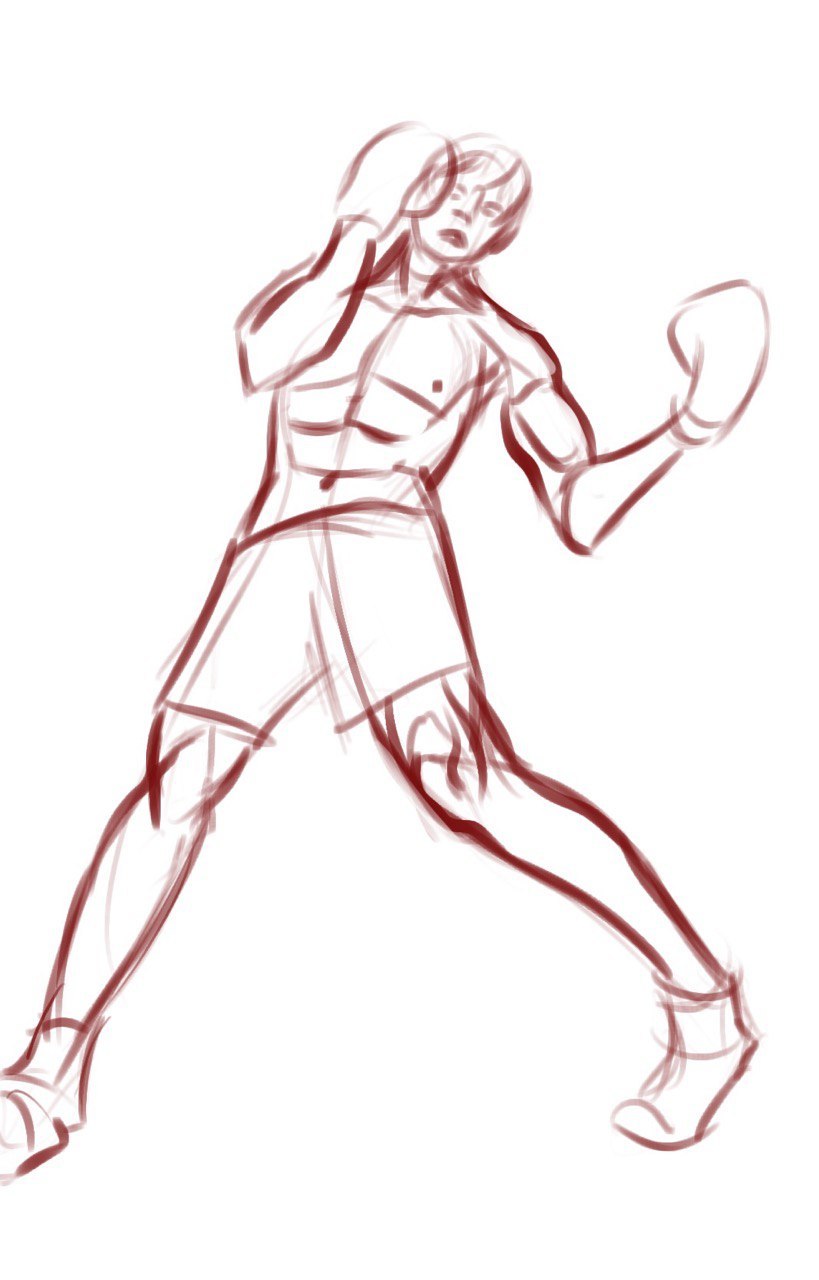
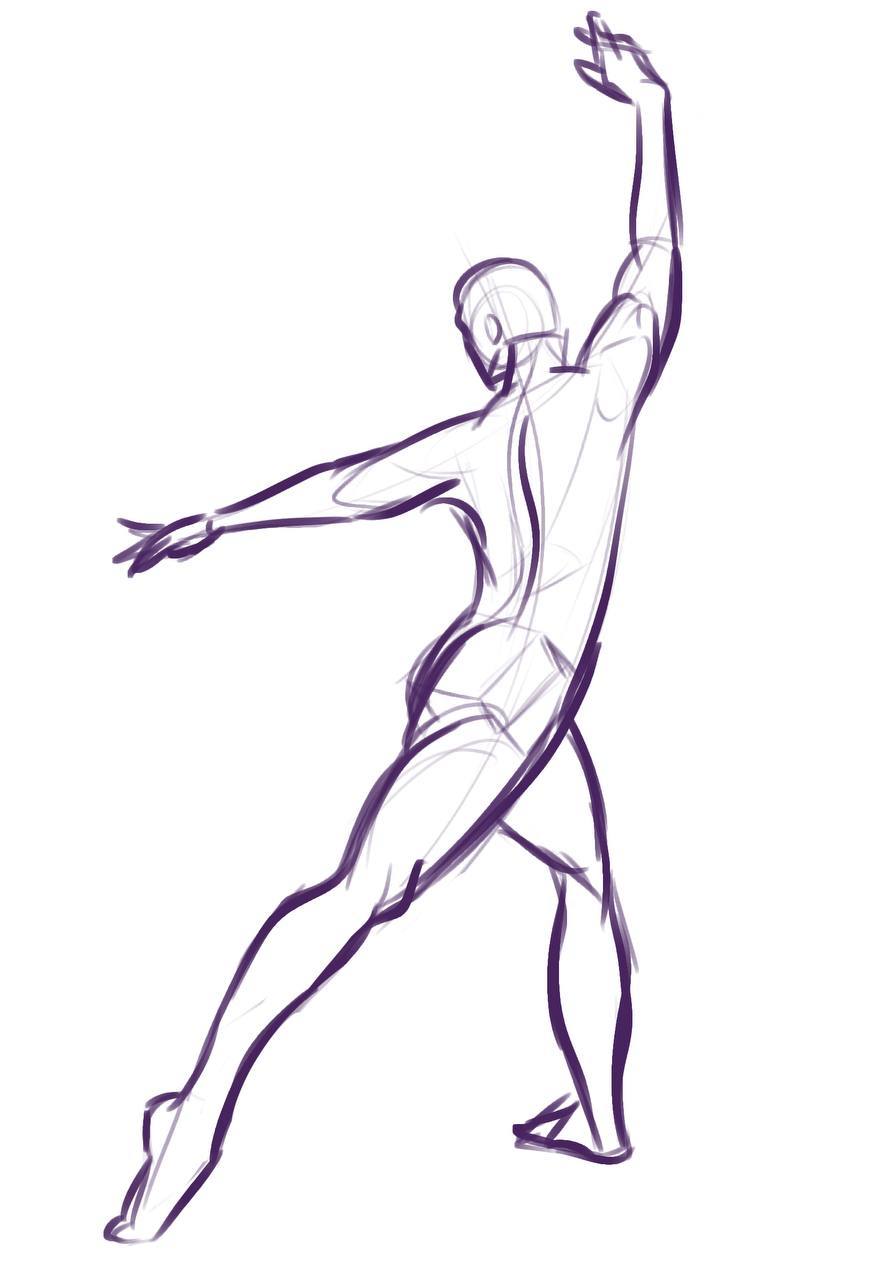
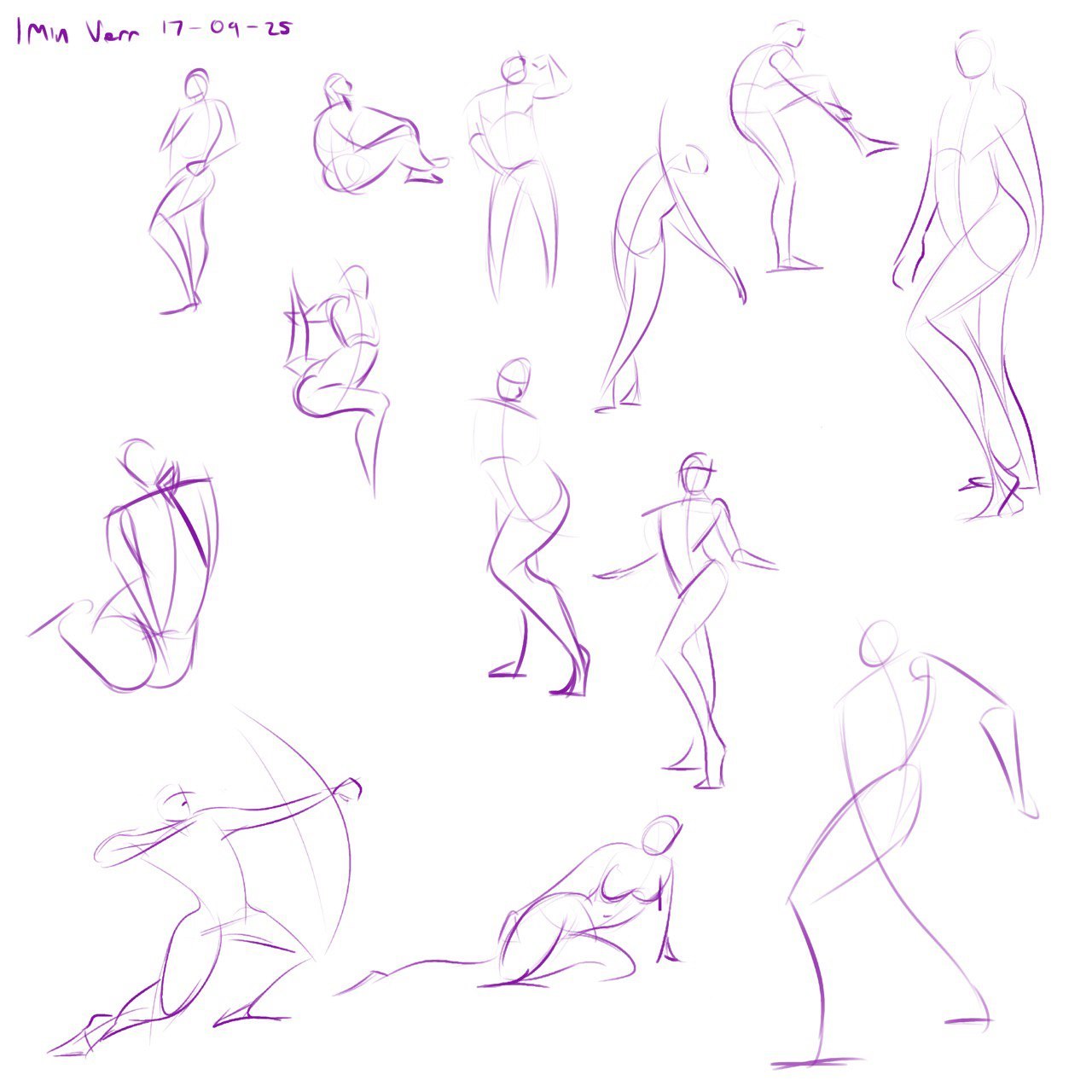
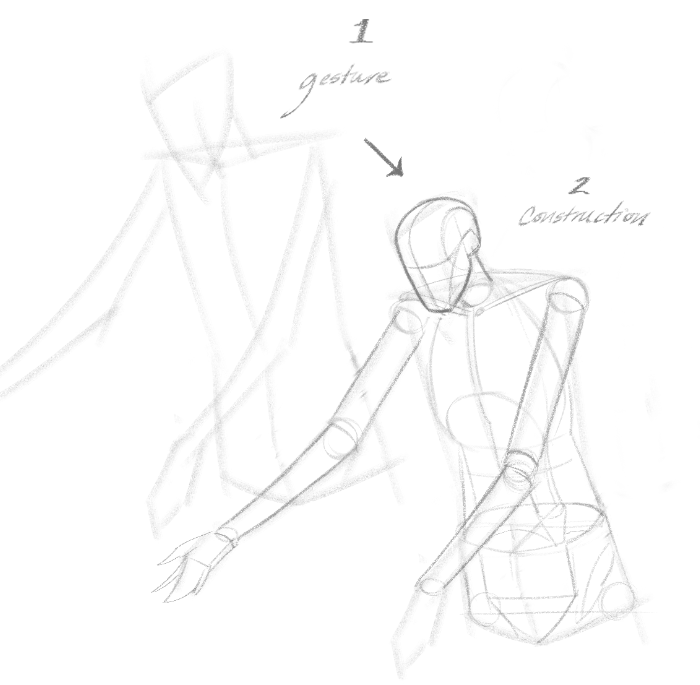
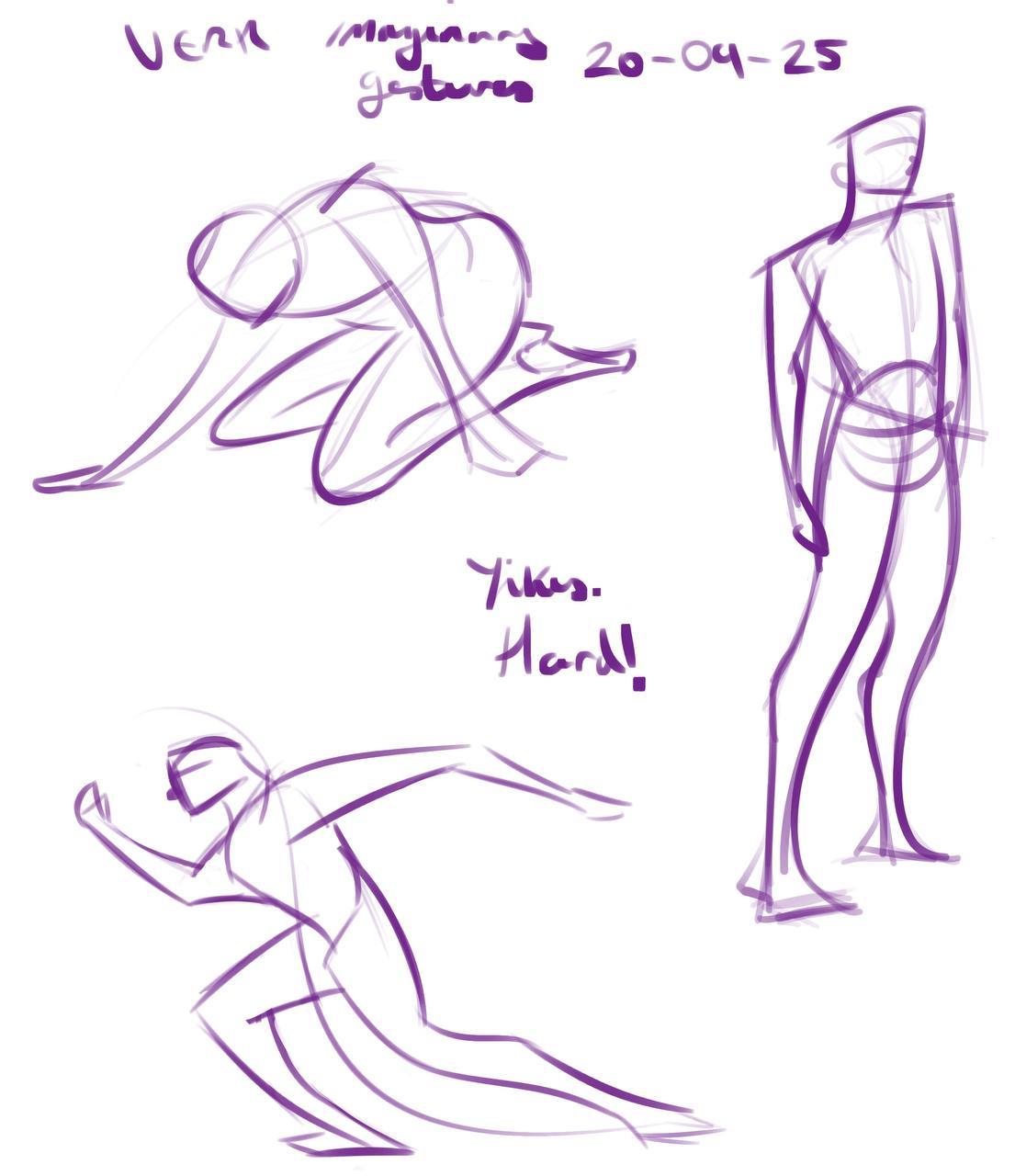
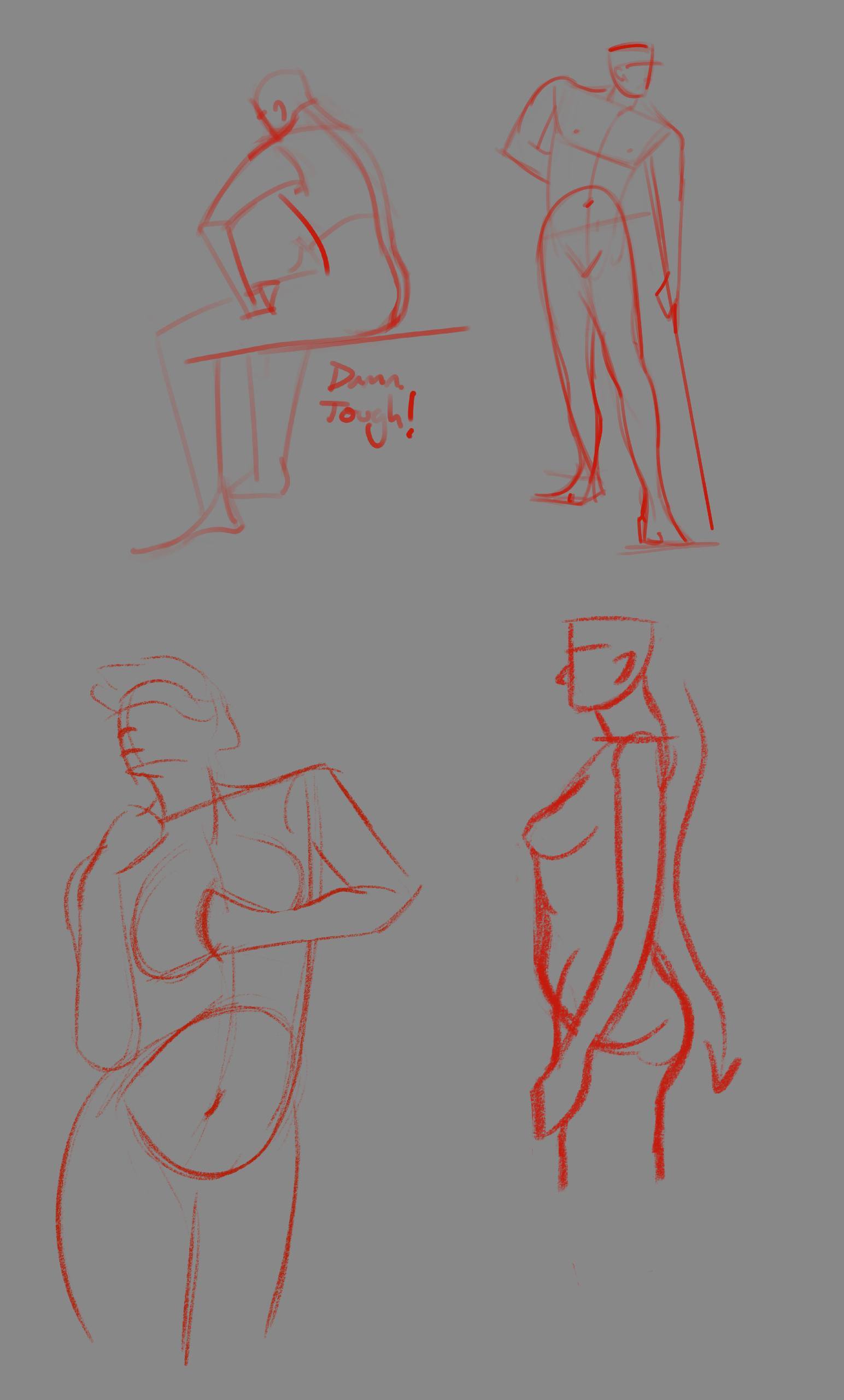
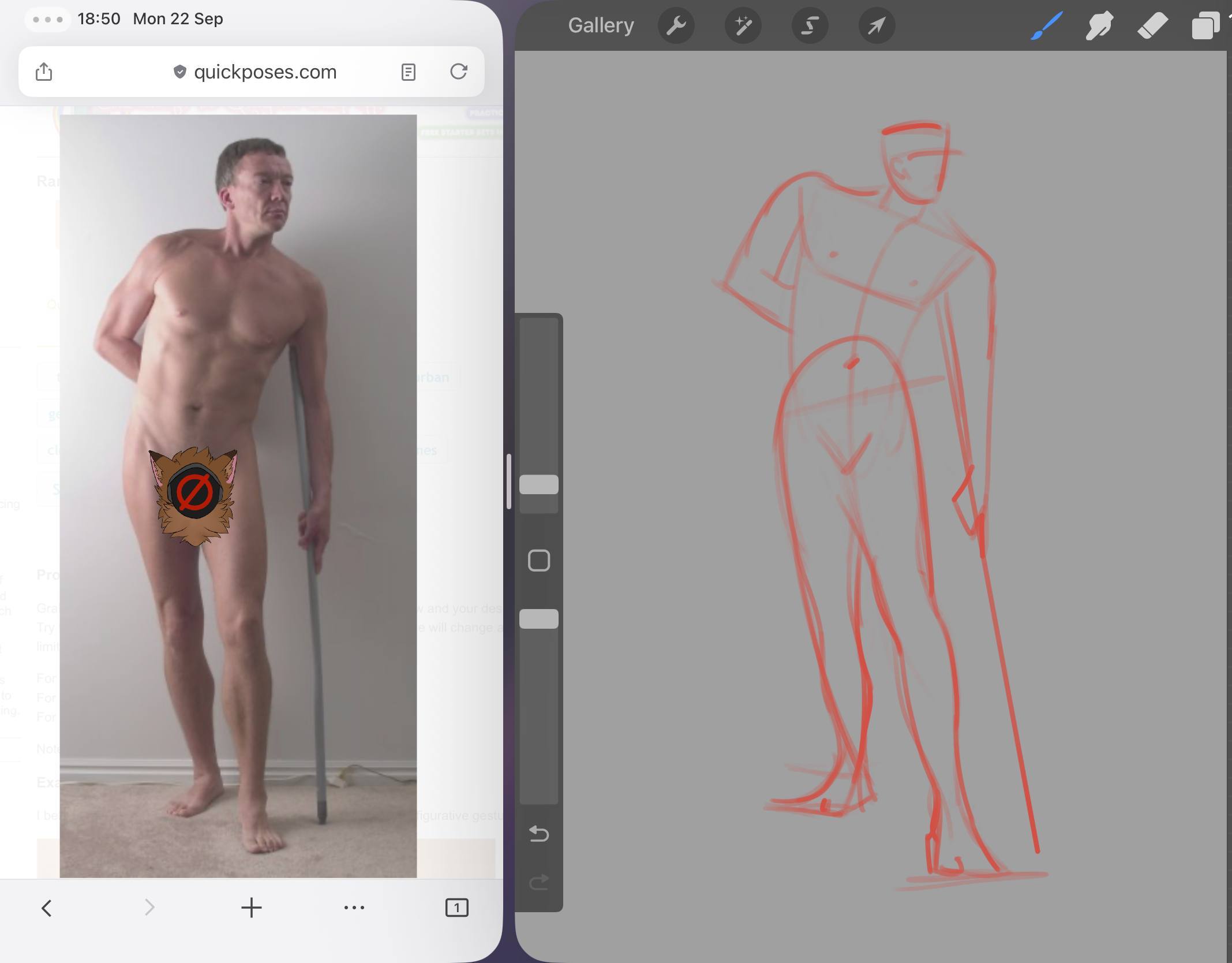
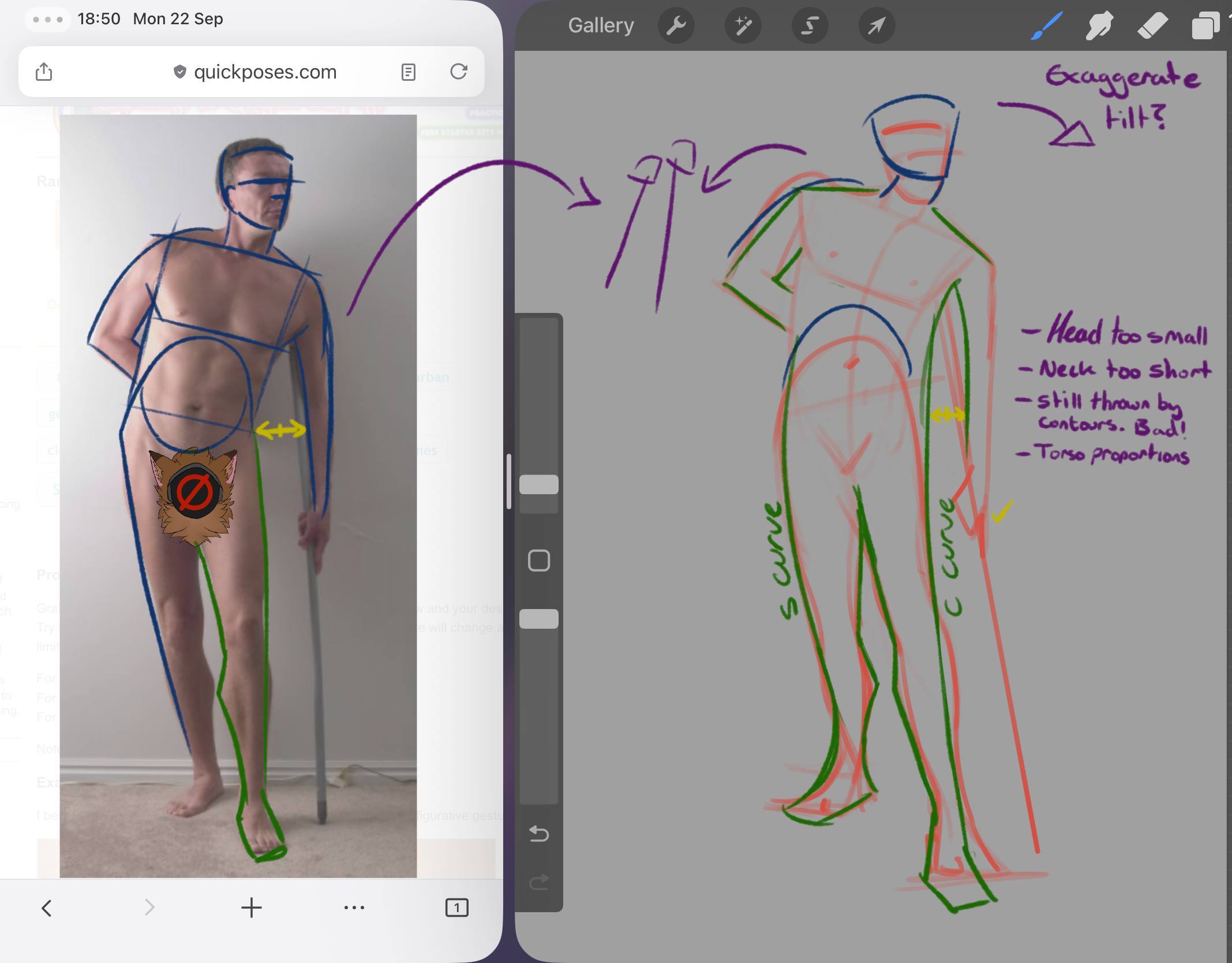
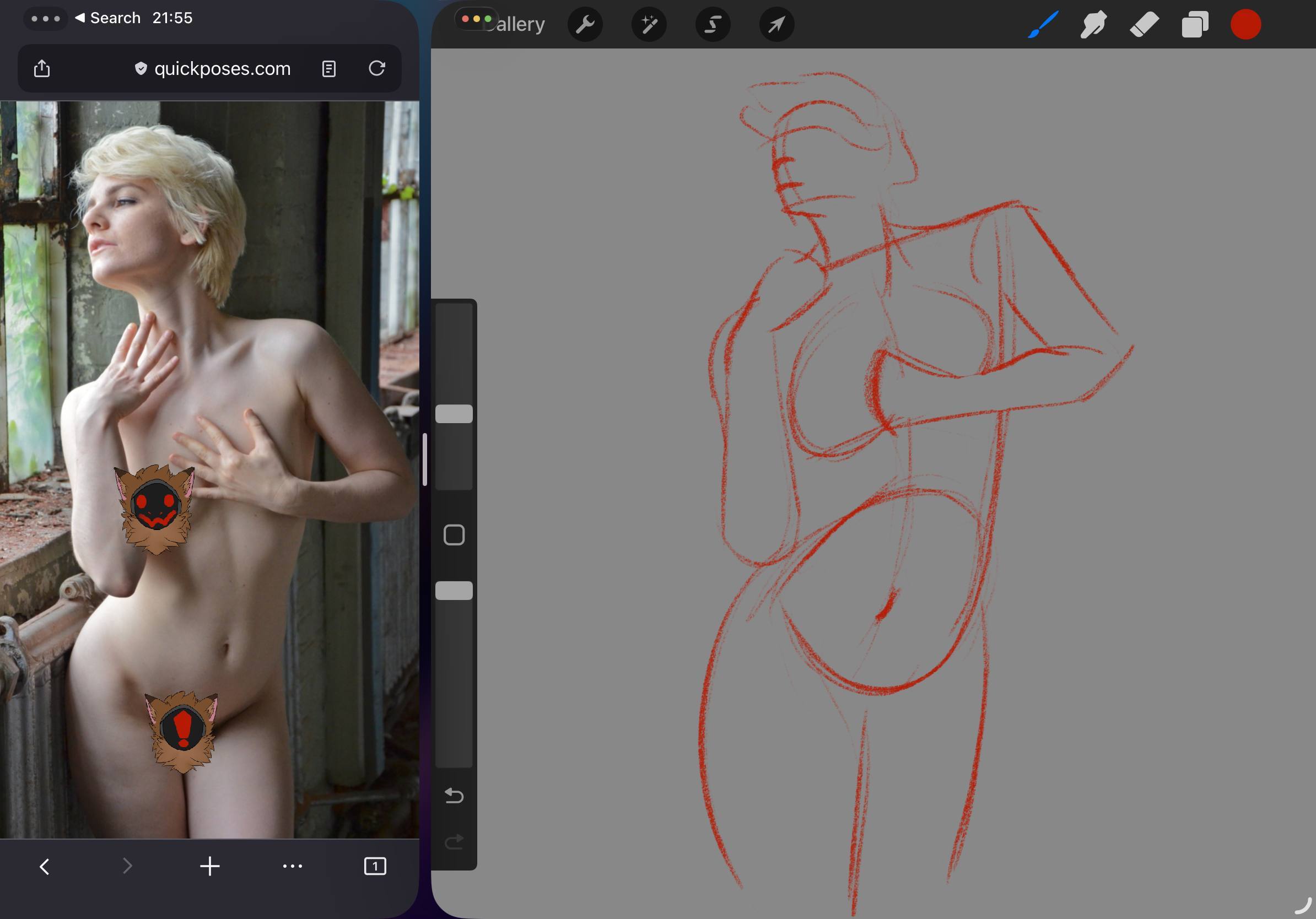
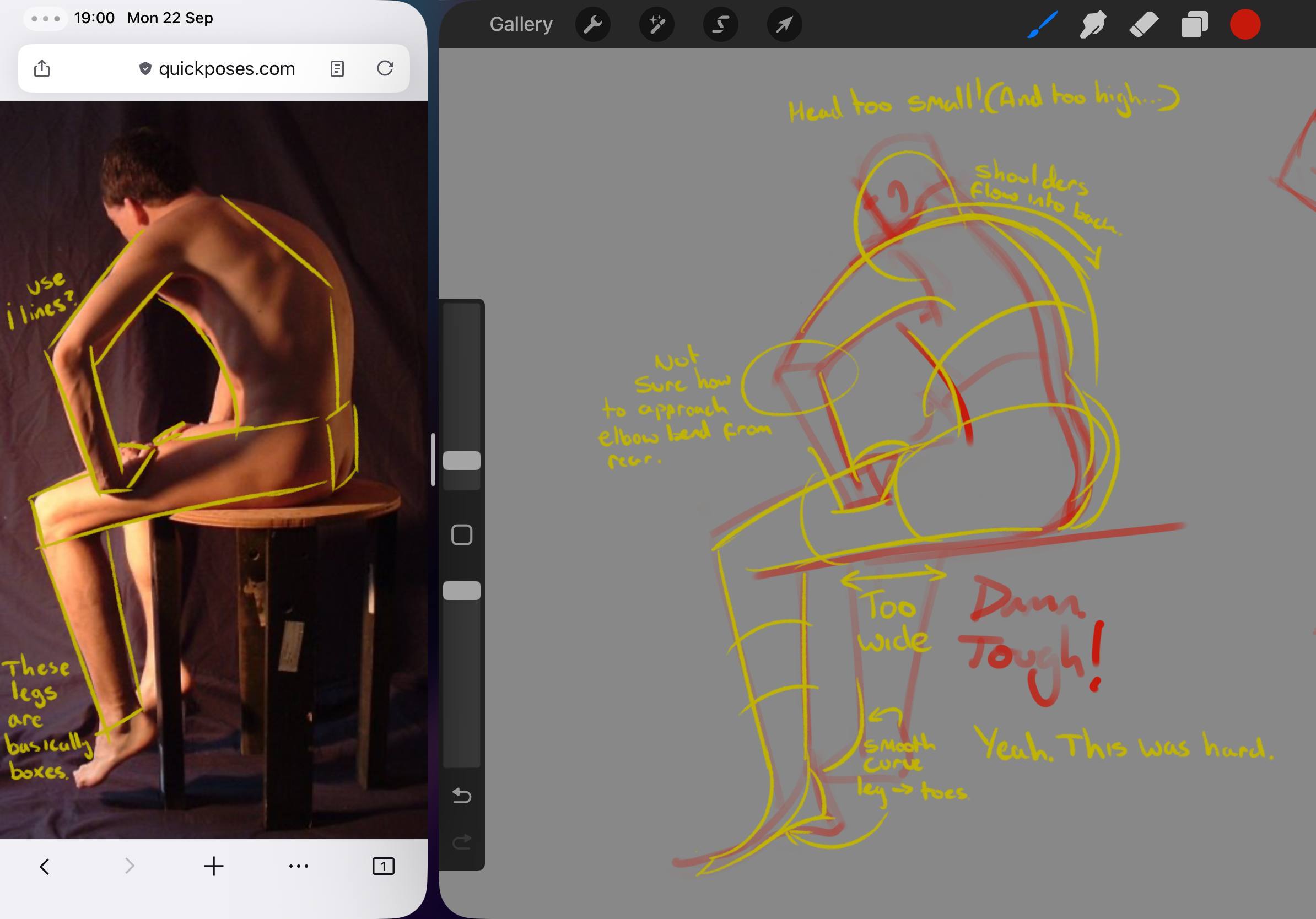
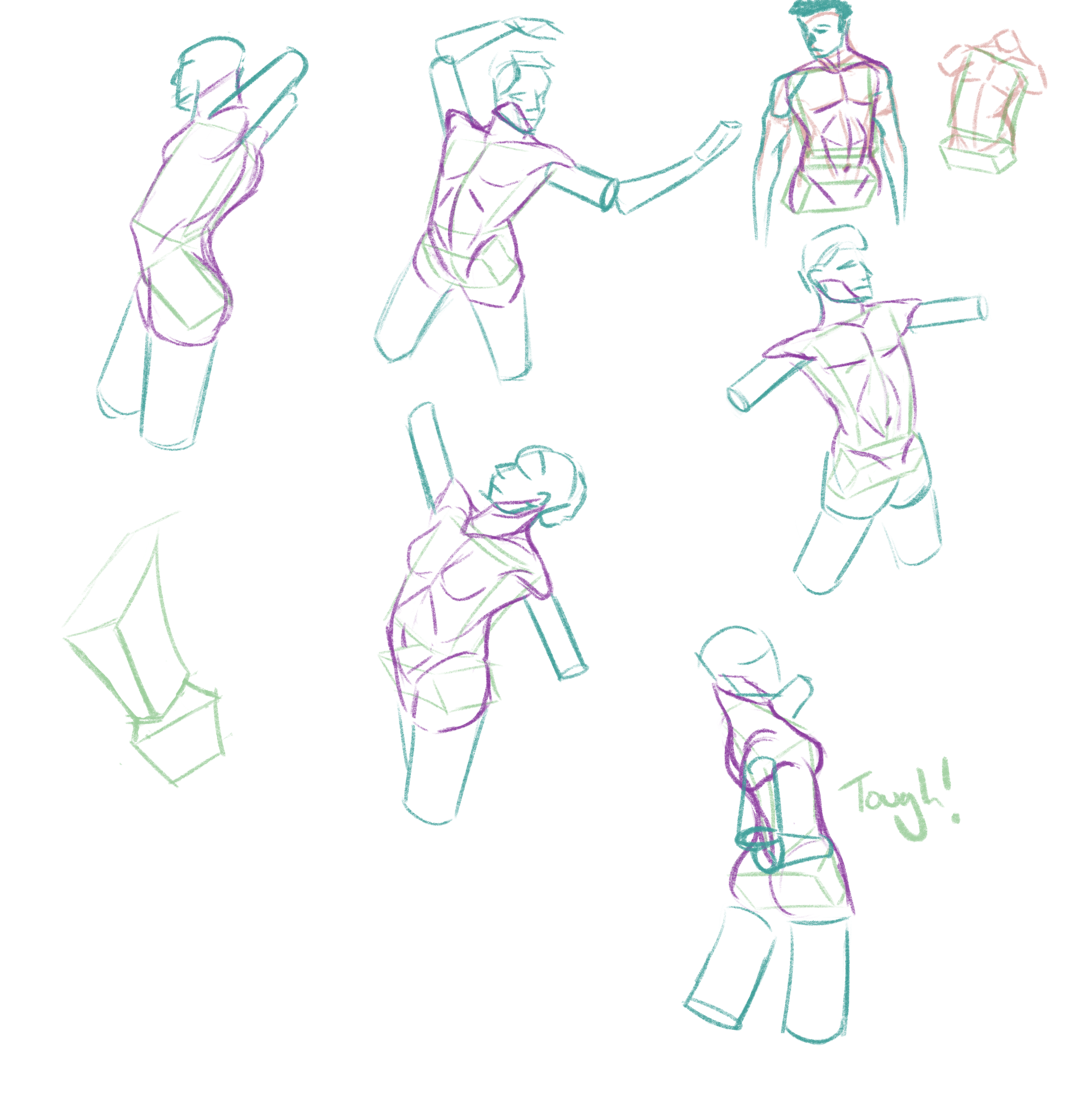
The interesting thing about gesture is you don't actually have to spend thirty seconds on it. You can if you want to warm up. But what if you spent fifteen minutes on one. Correcting the height, width and centerline over and over. That's only 15 minutes out of your whole process of your illustration. But imagine how awesome and solid that gesture of rhythms would be. You could probably just drape it and add some anatomy contour at that point.
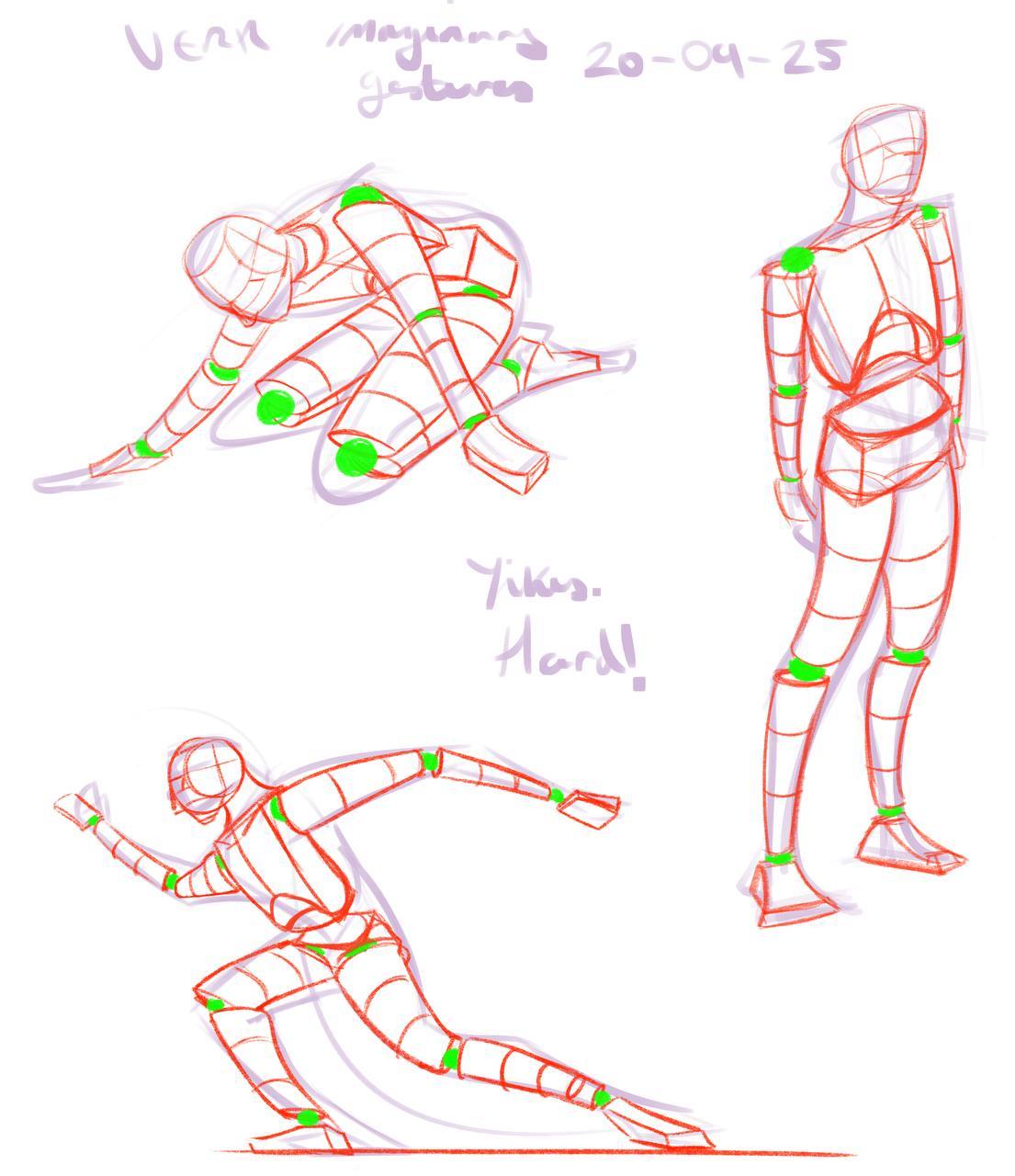
The hard part about gesture is that it is putting the abstract thought and representation of the human bodies motion - together with construction - to be in perspective.
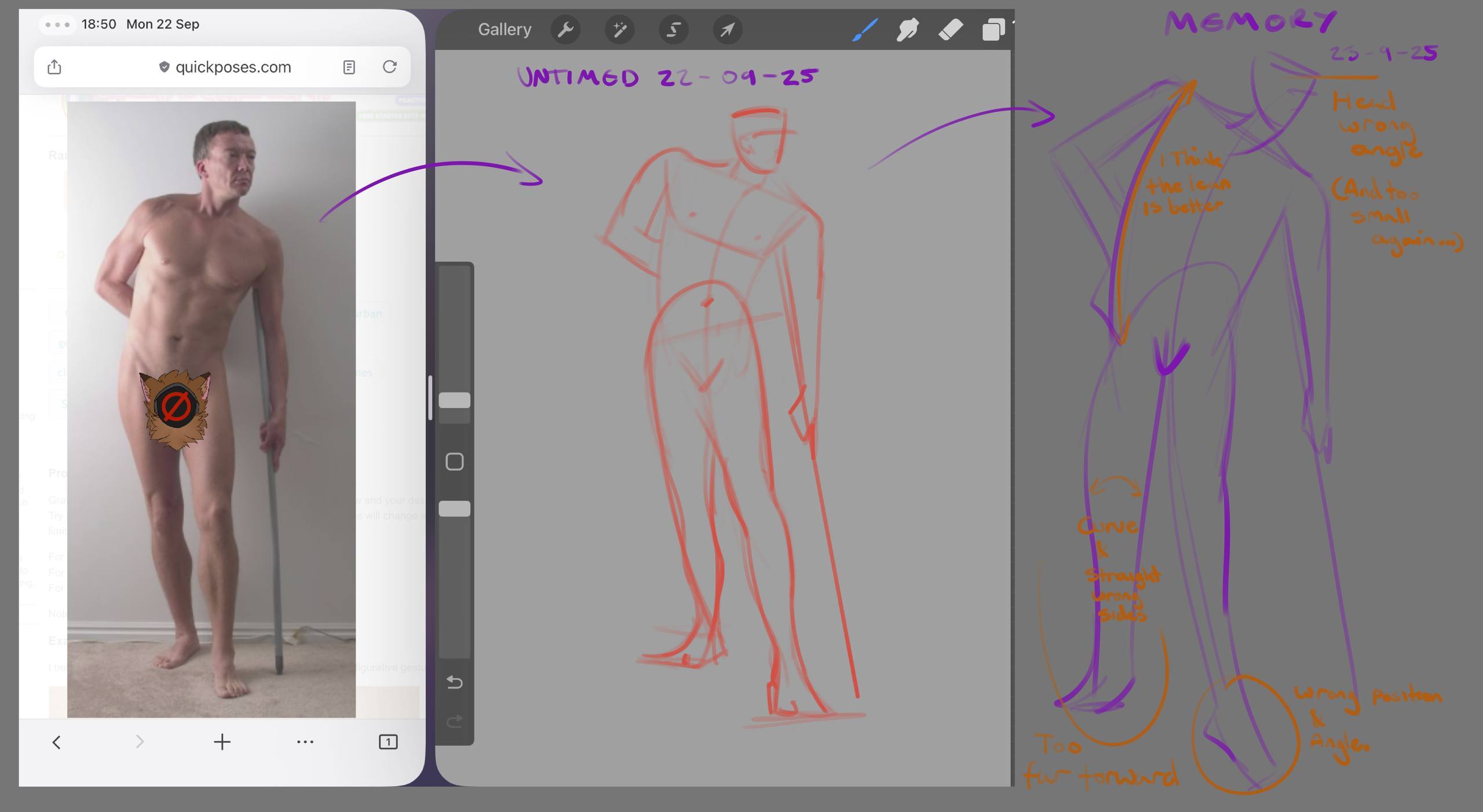
One of my teachers told me, "Its a drawing - if you are not constantly correcting it, you are not drawing." I always thought that was funny. But it helped me let go of perfectionism. A bit.
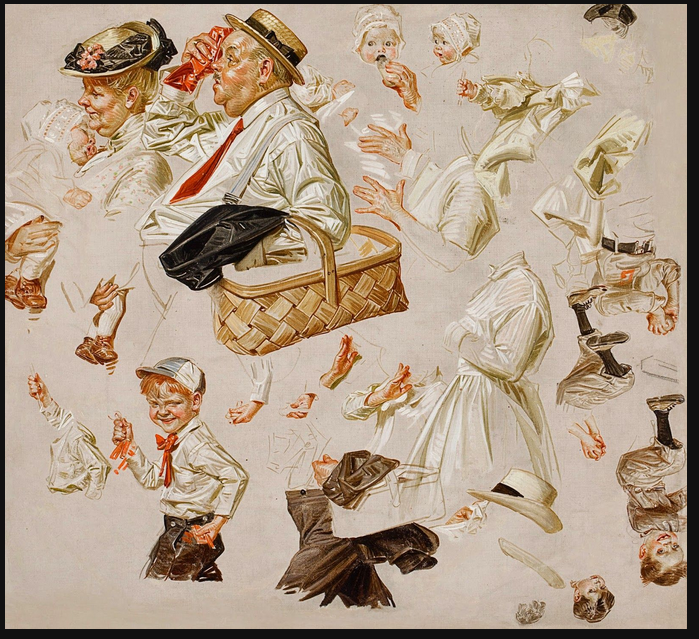
It mostly depends on if the figure is invented, or if it is something that you are doing as a figure drawing from reference or model. When you are constructing something from nothing - people have used many sketchbook pages to solve the problems for one illustration before they even get to it. Lyendecker paint sketch pages are a great example.
That is an excellent way of thinking about it. Just like, "It is the line of motion which ties the different pieces of structure together."
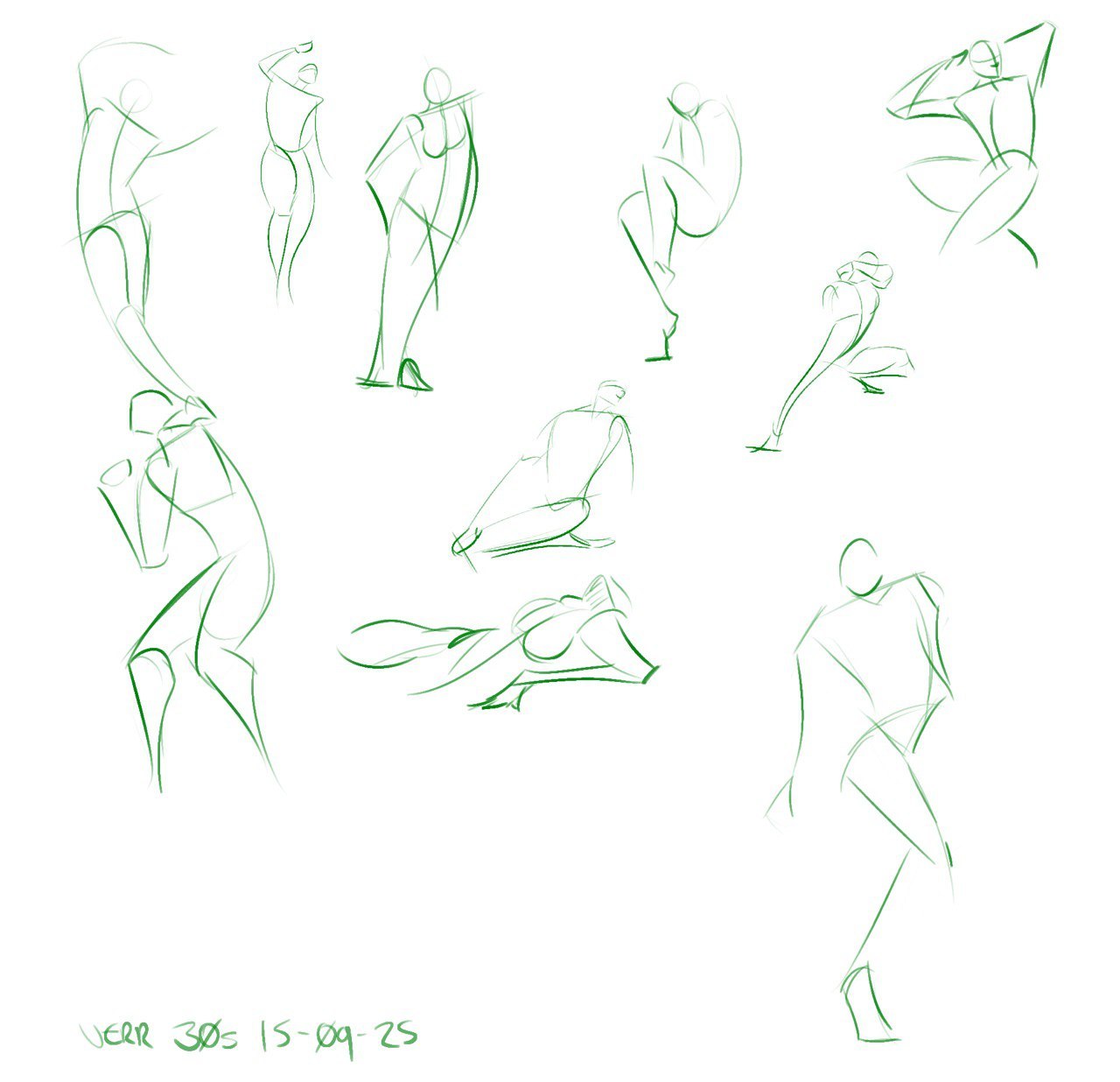
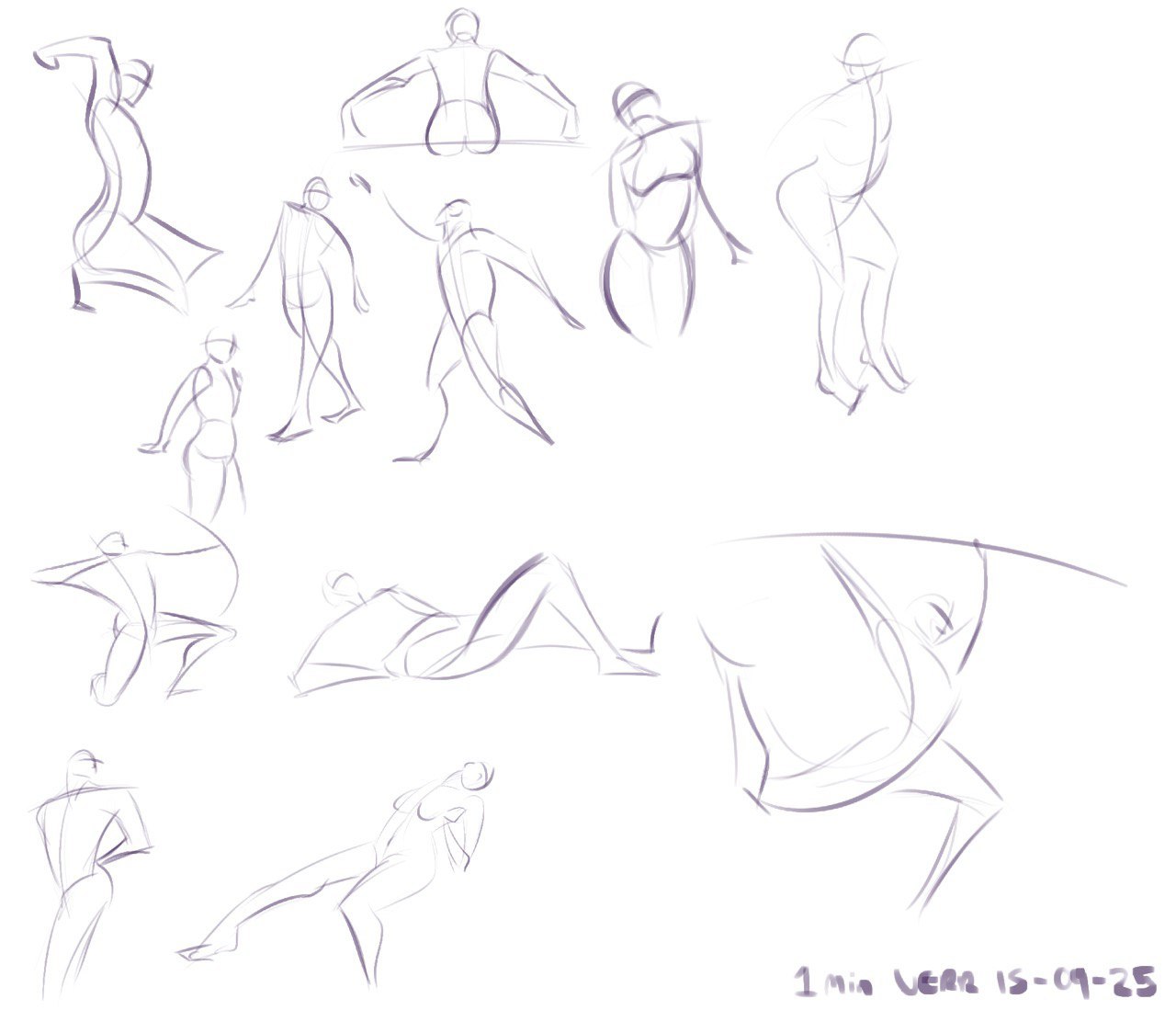
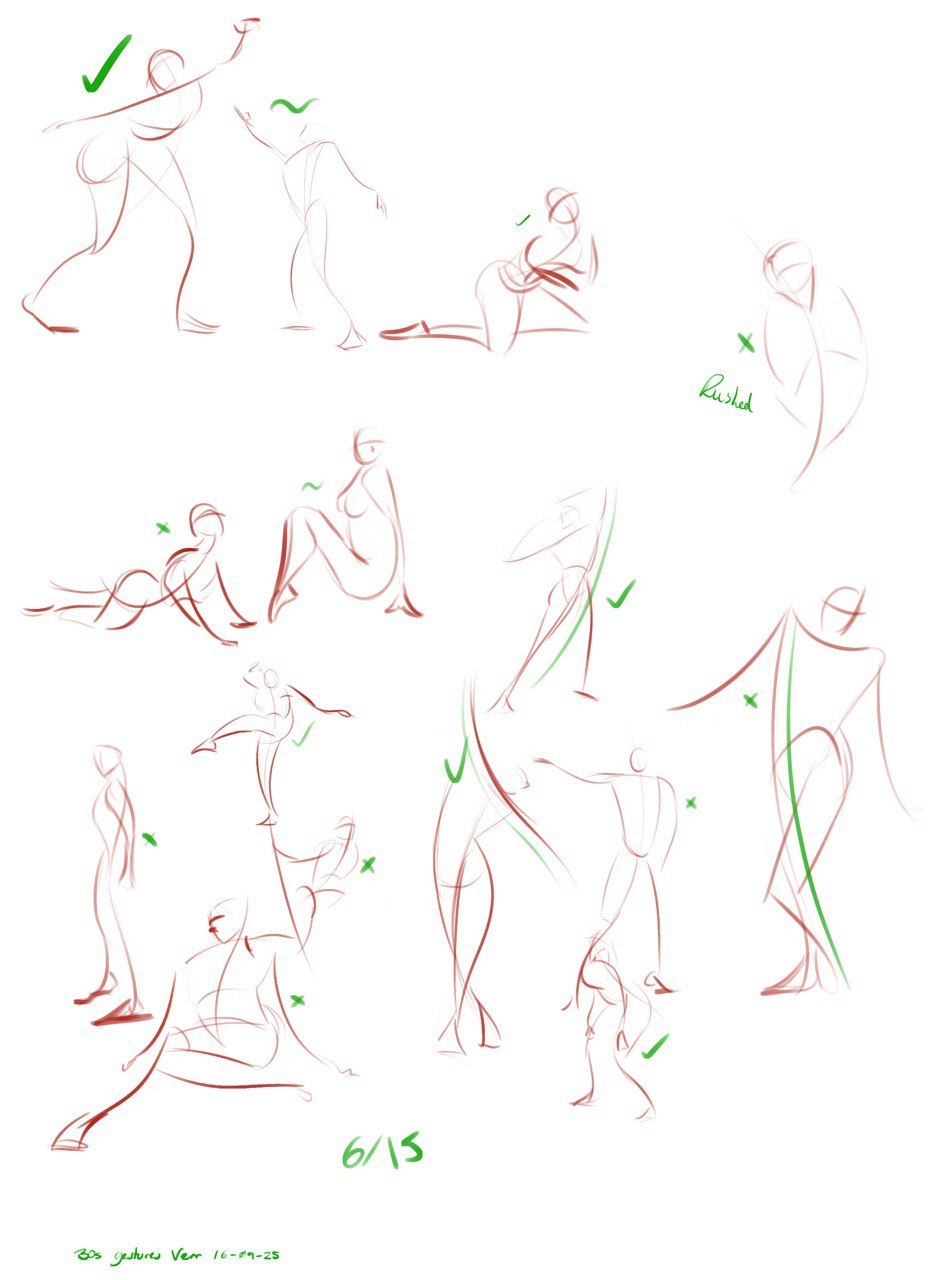
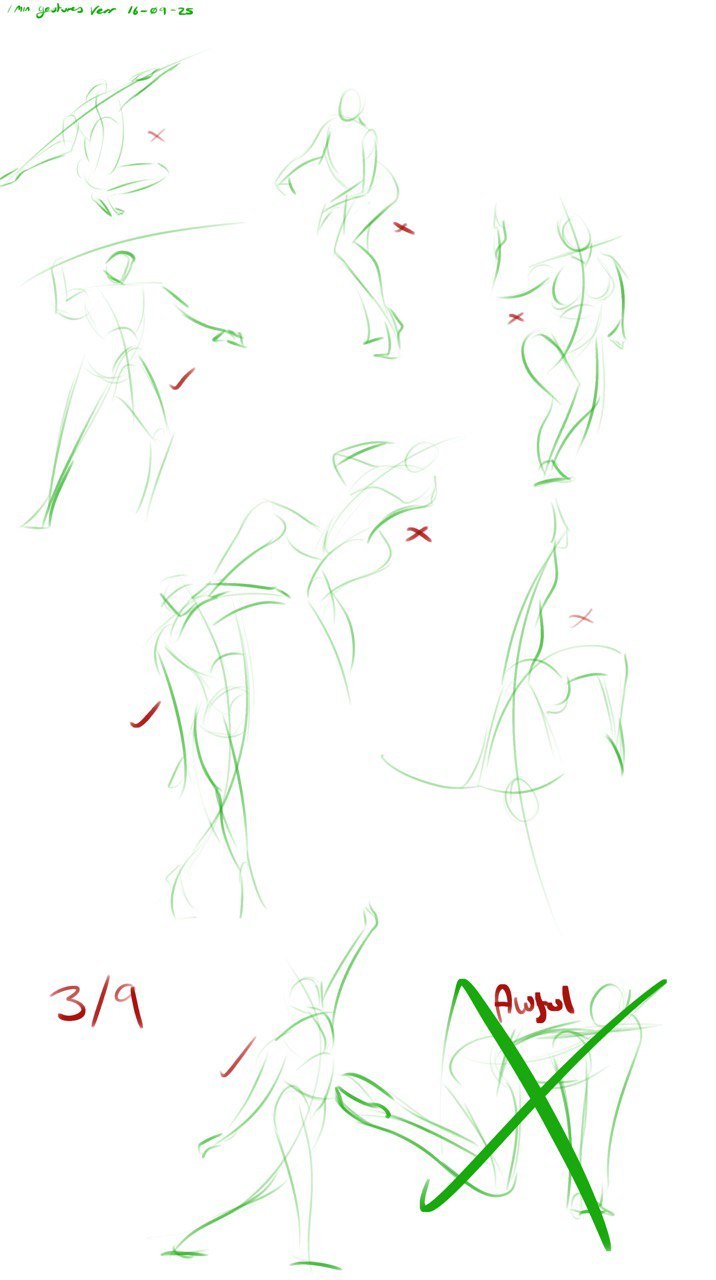
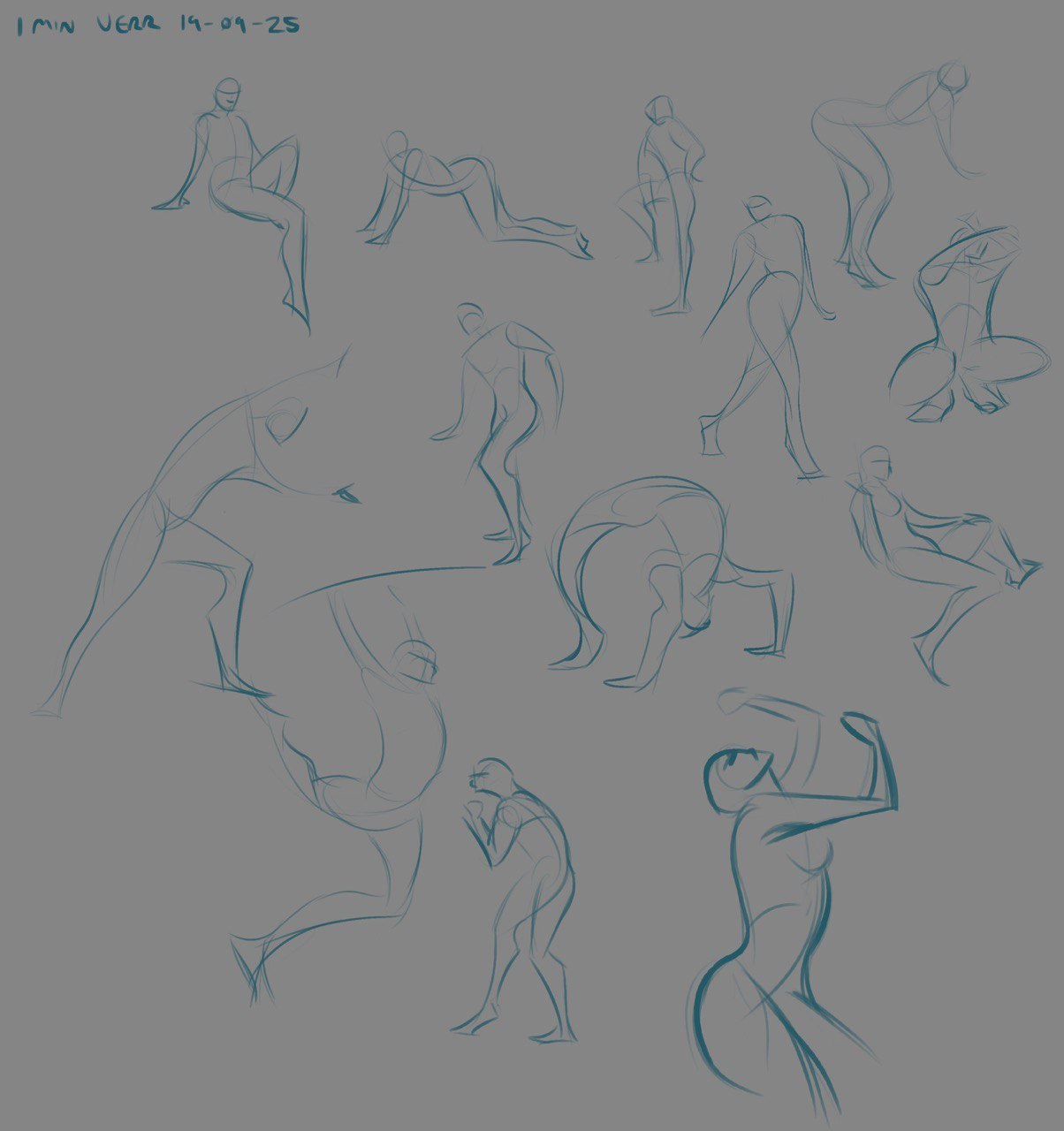
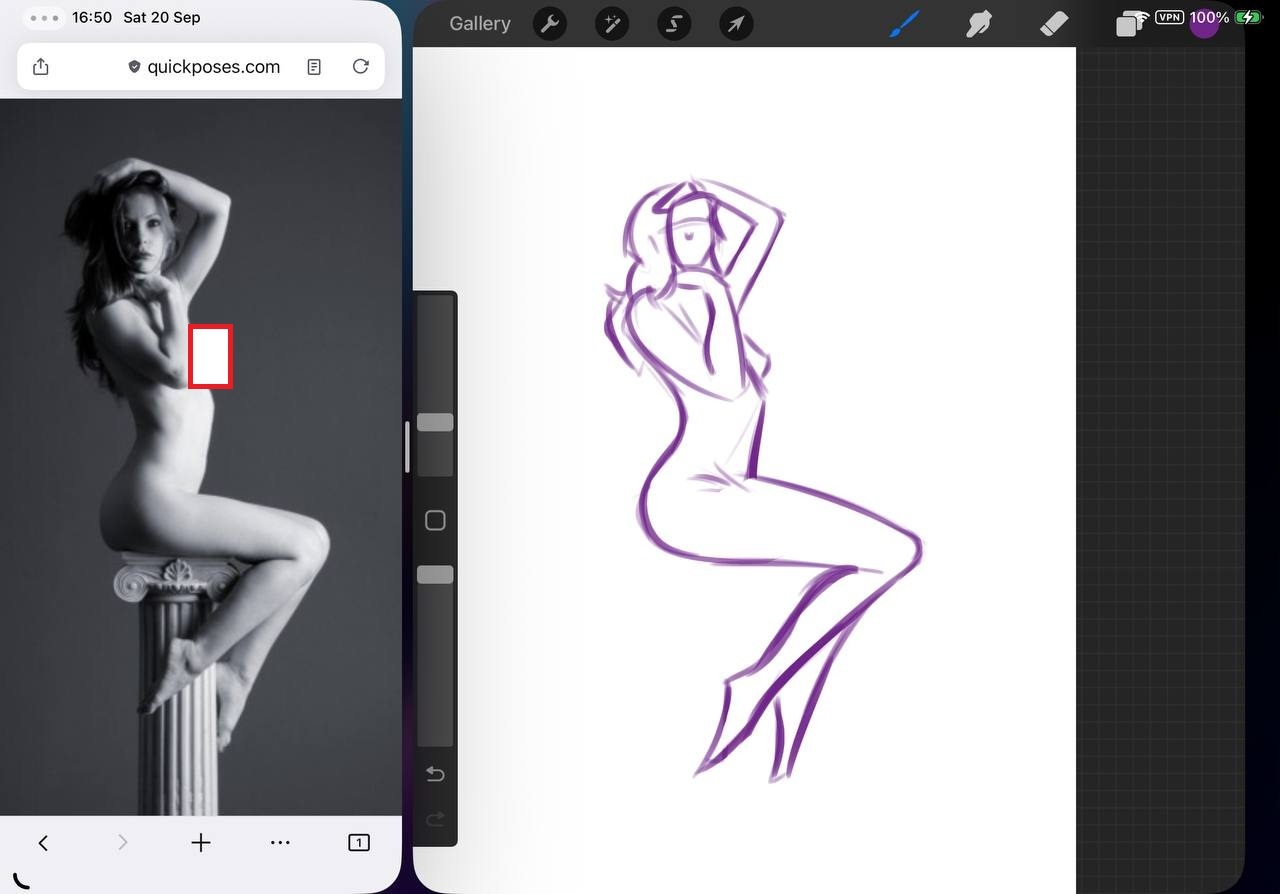
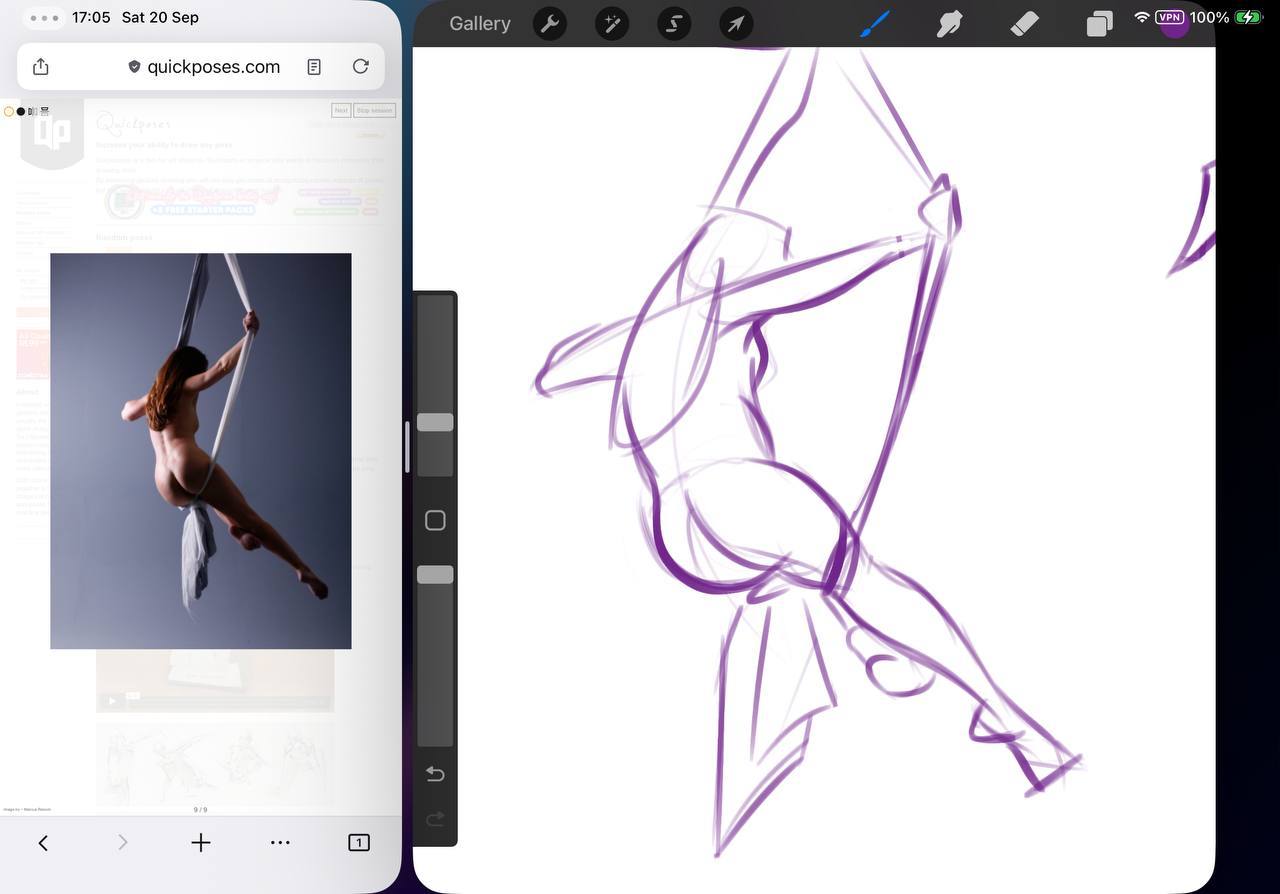
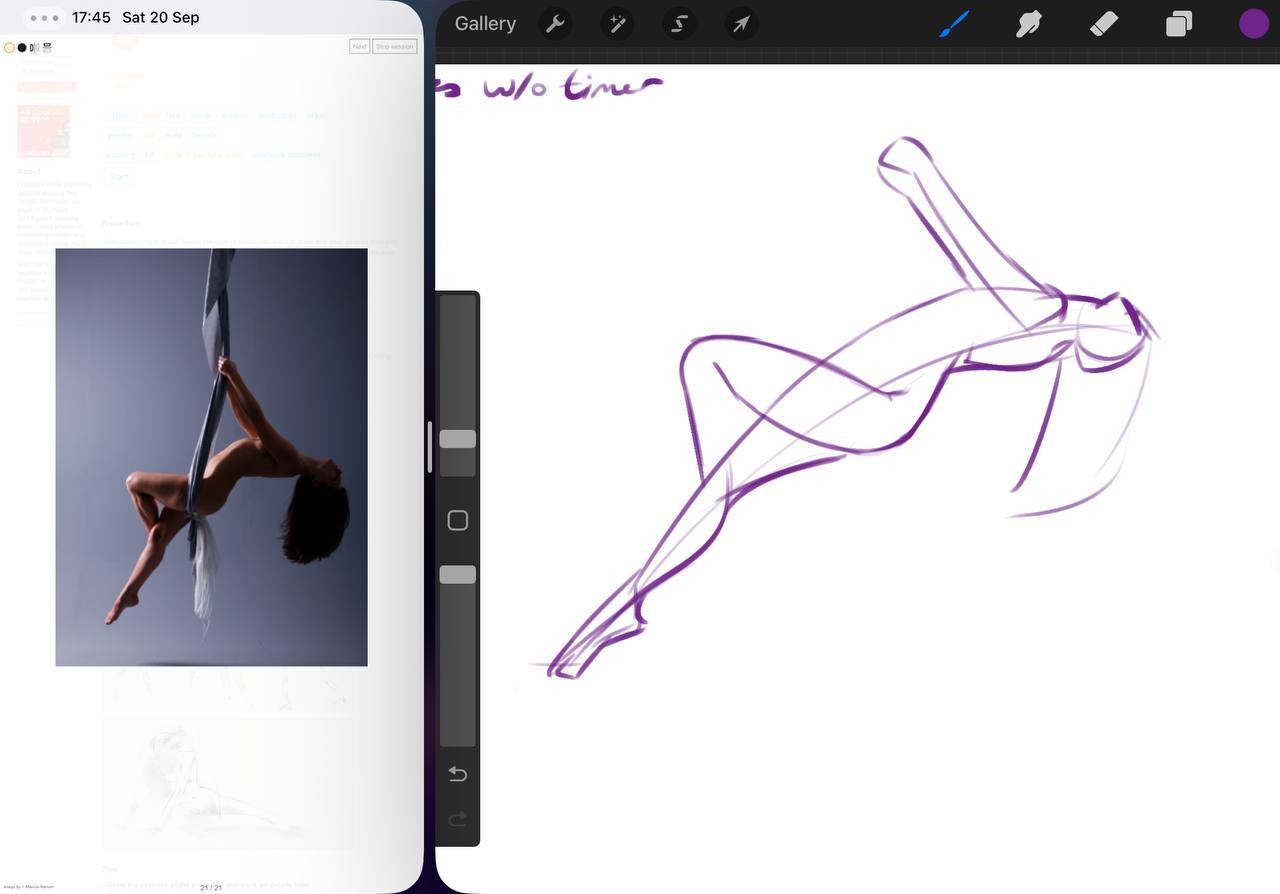
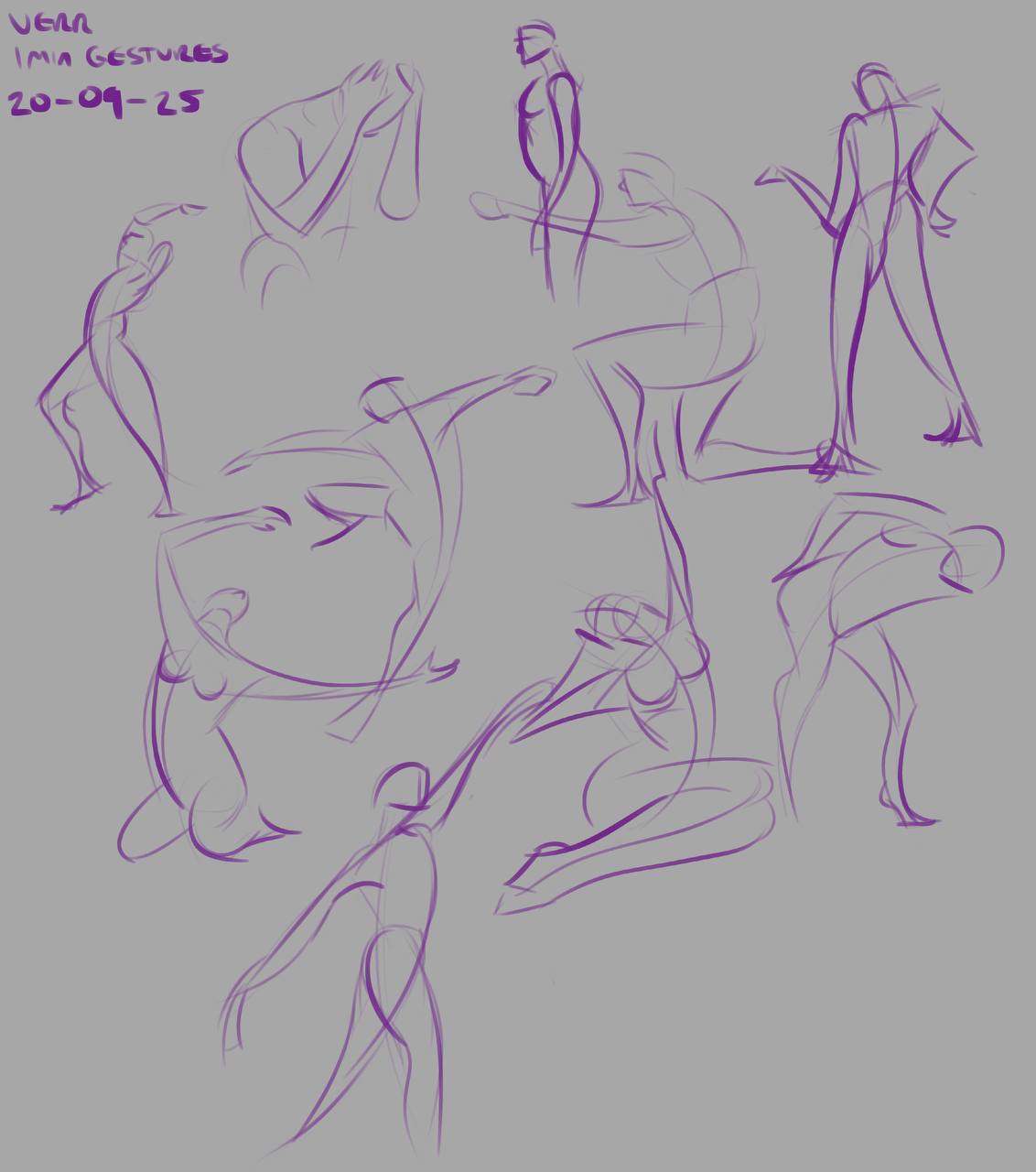
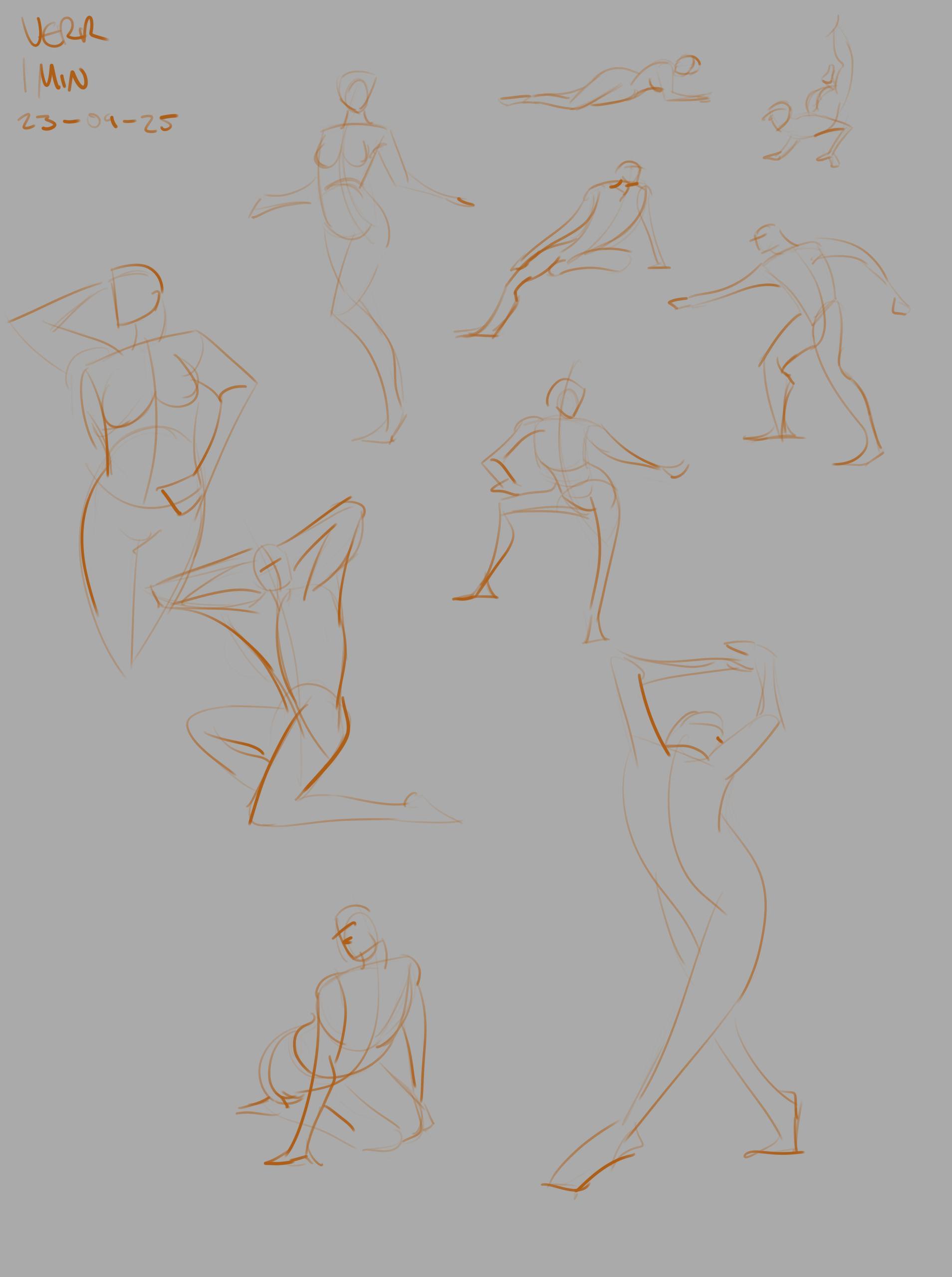
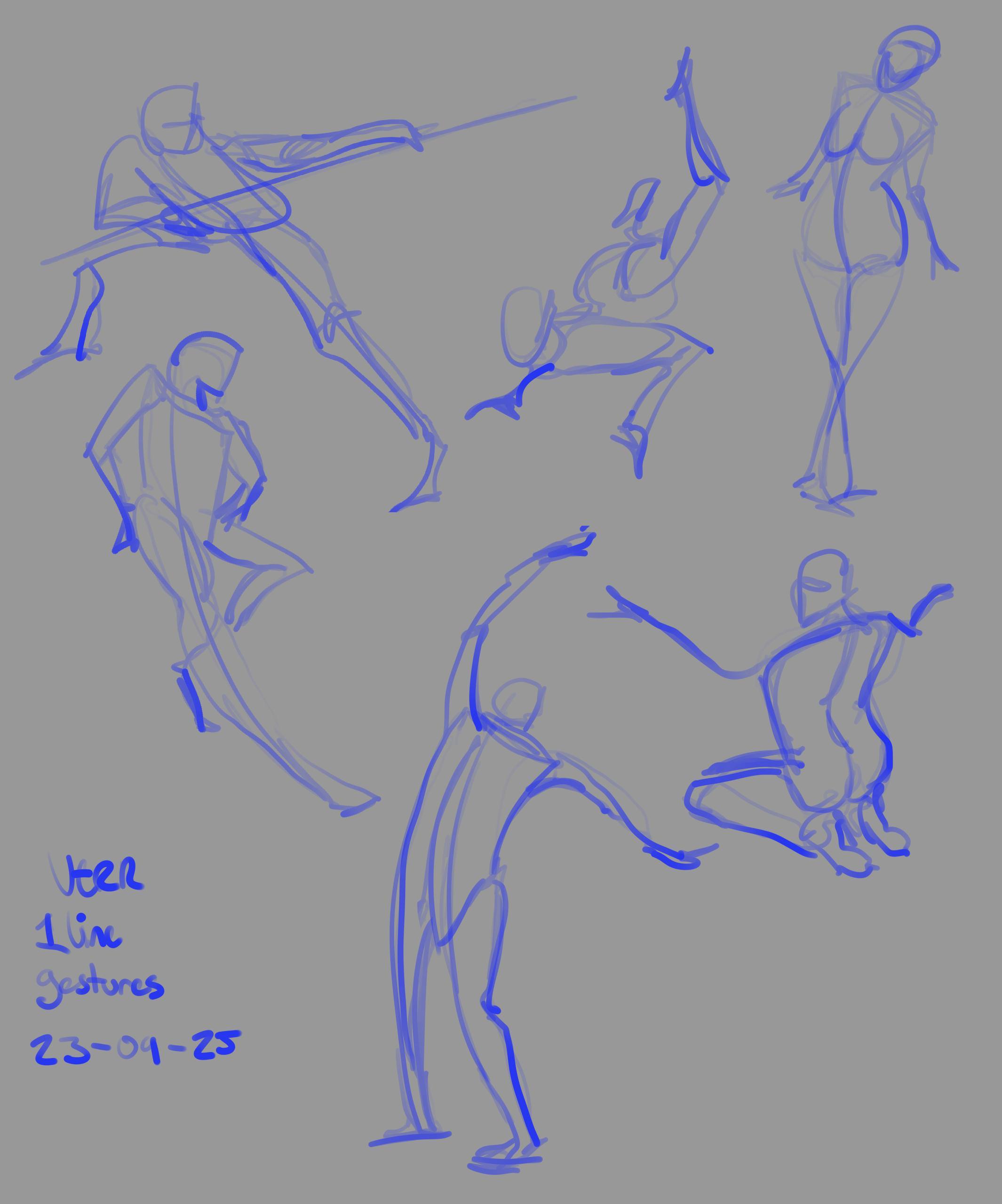
And just like there are many variables in building a house one has to think of - like infrastructure, permits, environment, labor, and design - there are many variables in figure drawing. But what is nice is - you don't actually have to do all of them at once all of the time. You can complete long poses and short poses with just one idea. One minute gestures are great for warm ups and for training you to be faster and more accurate.
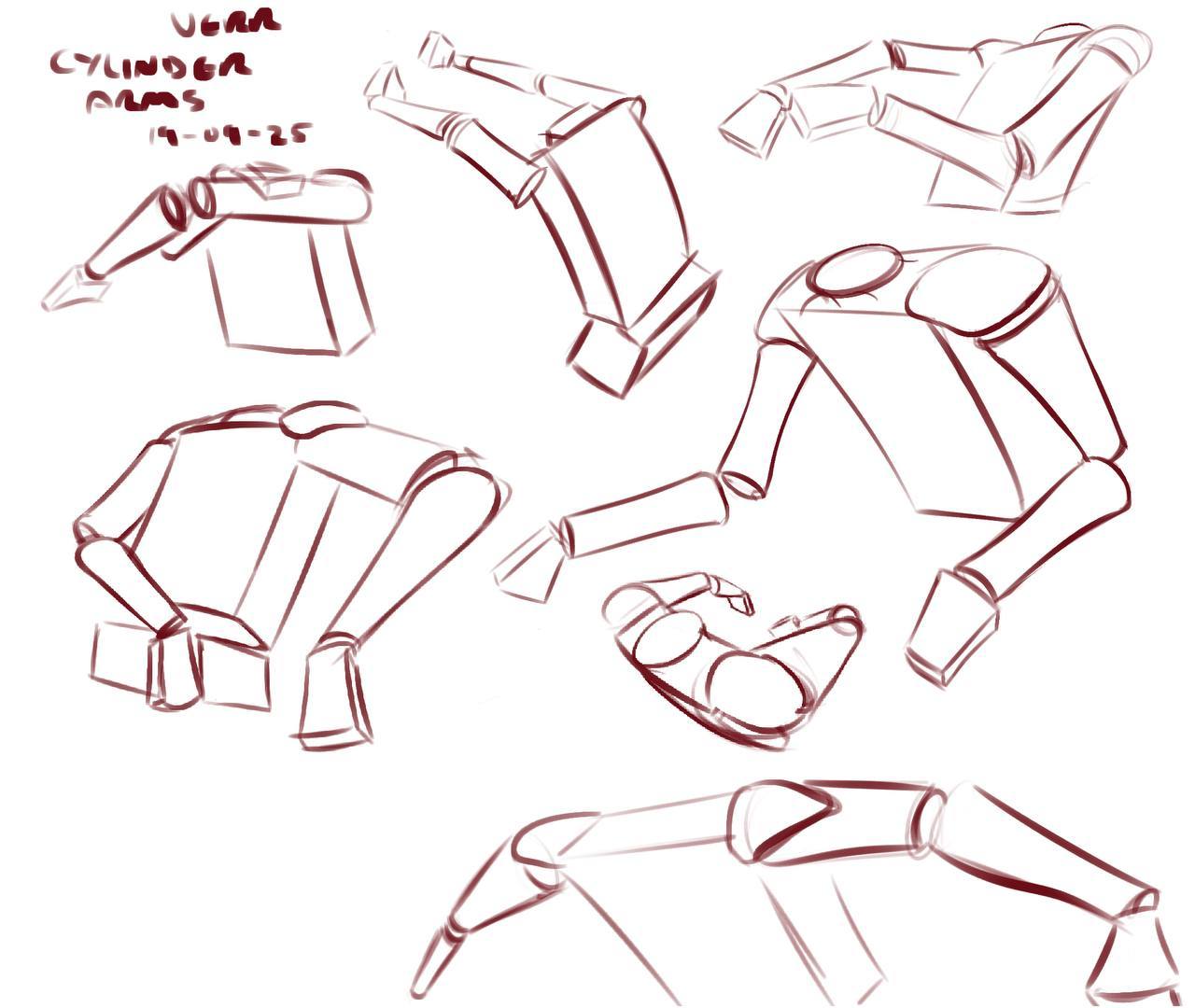
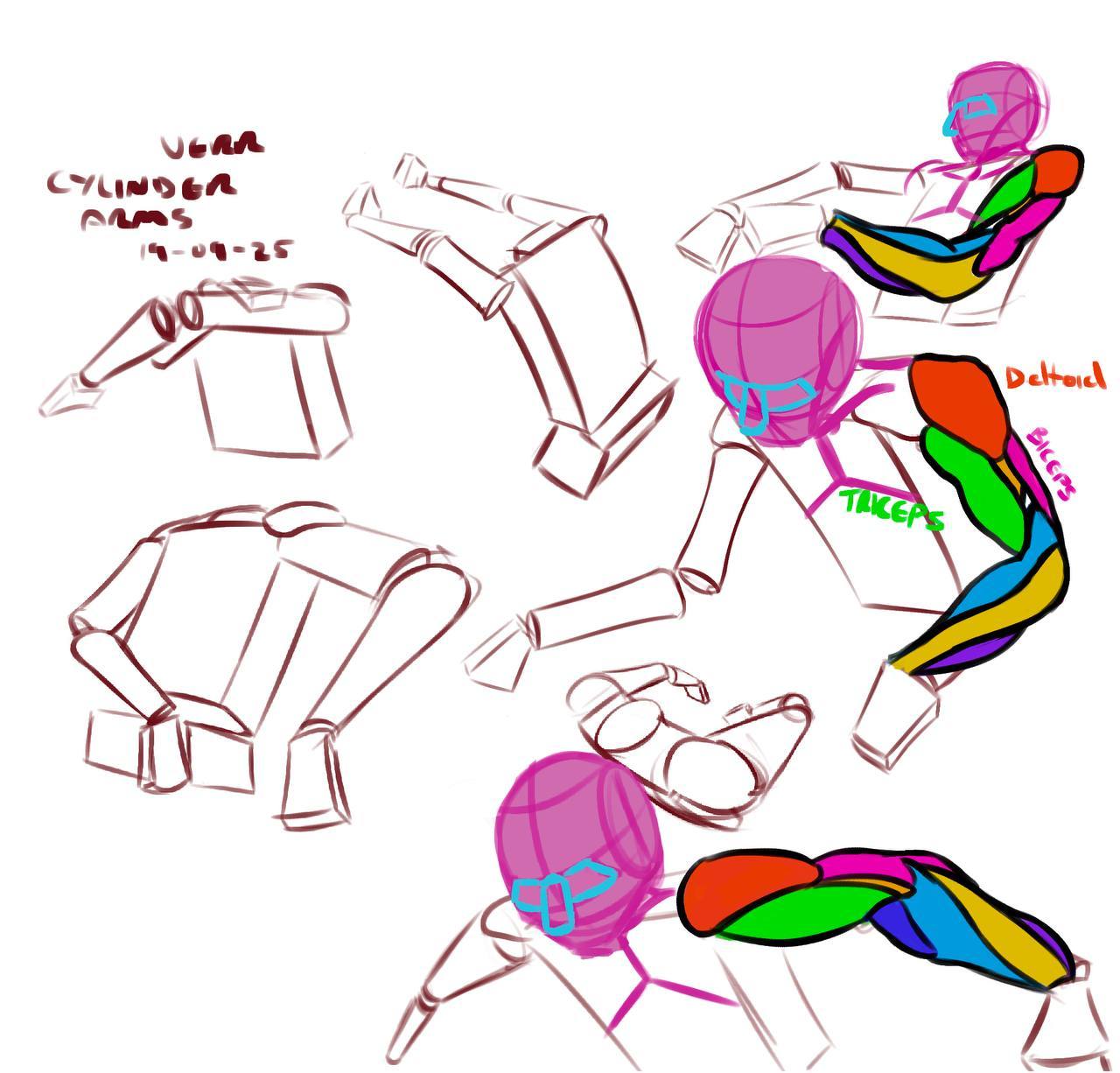
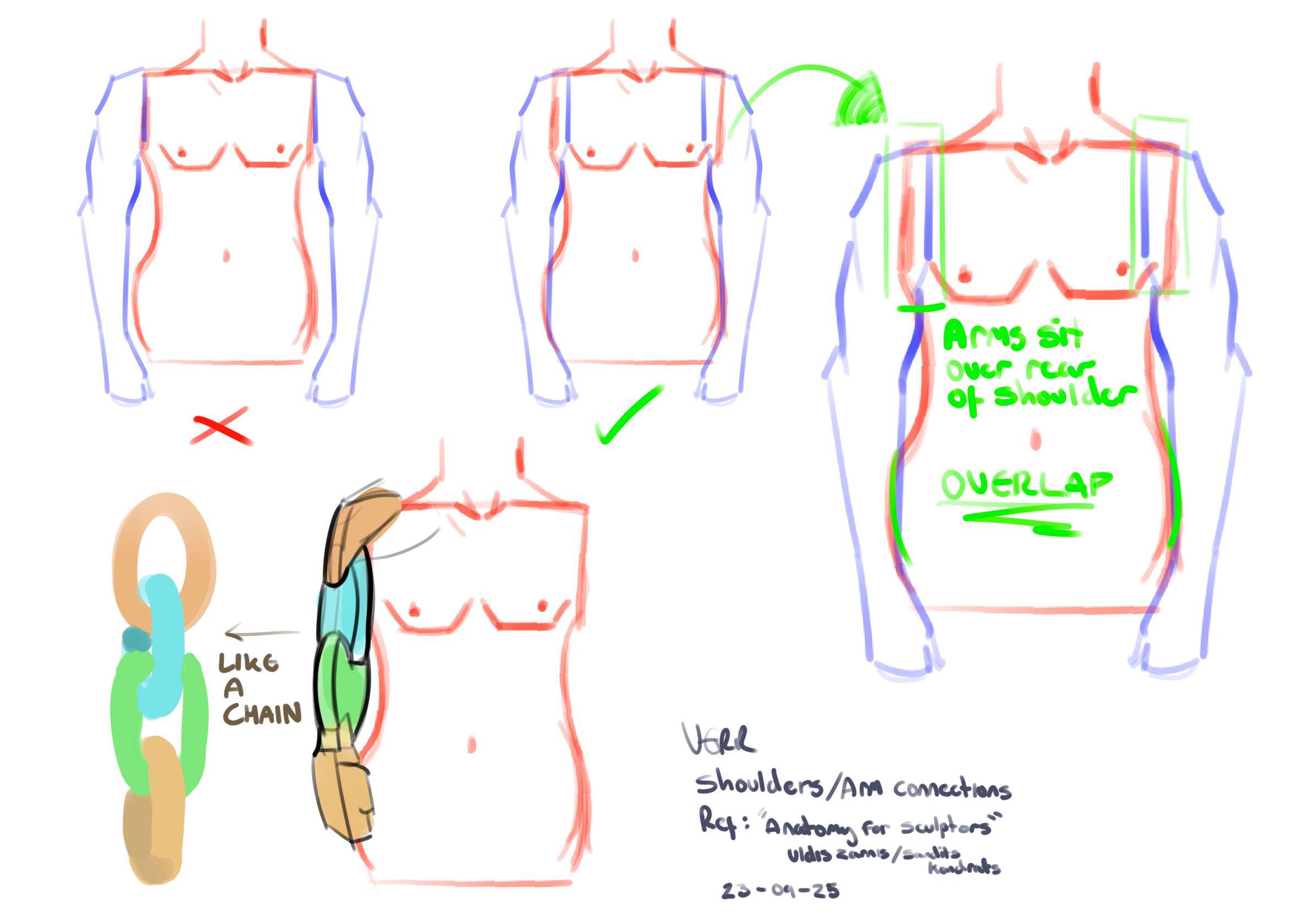
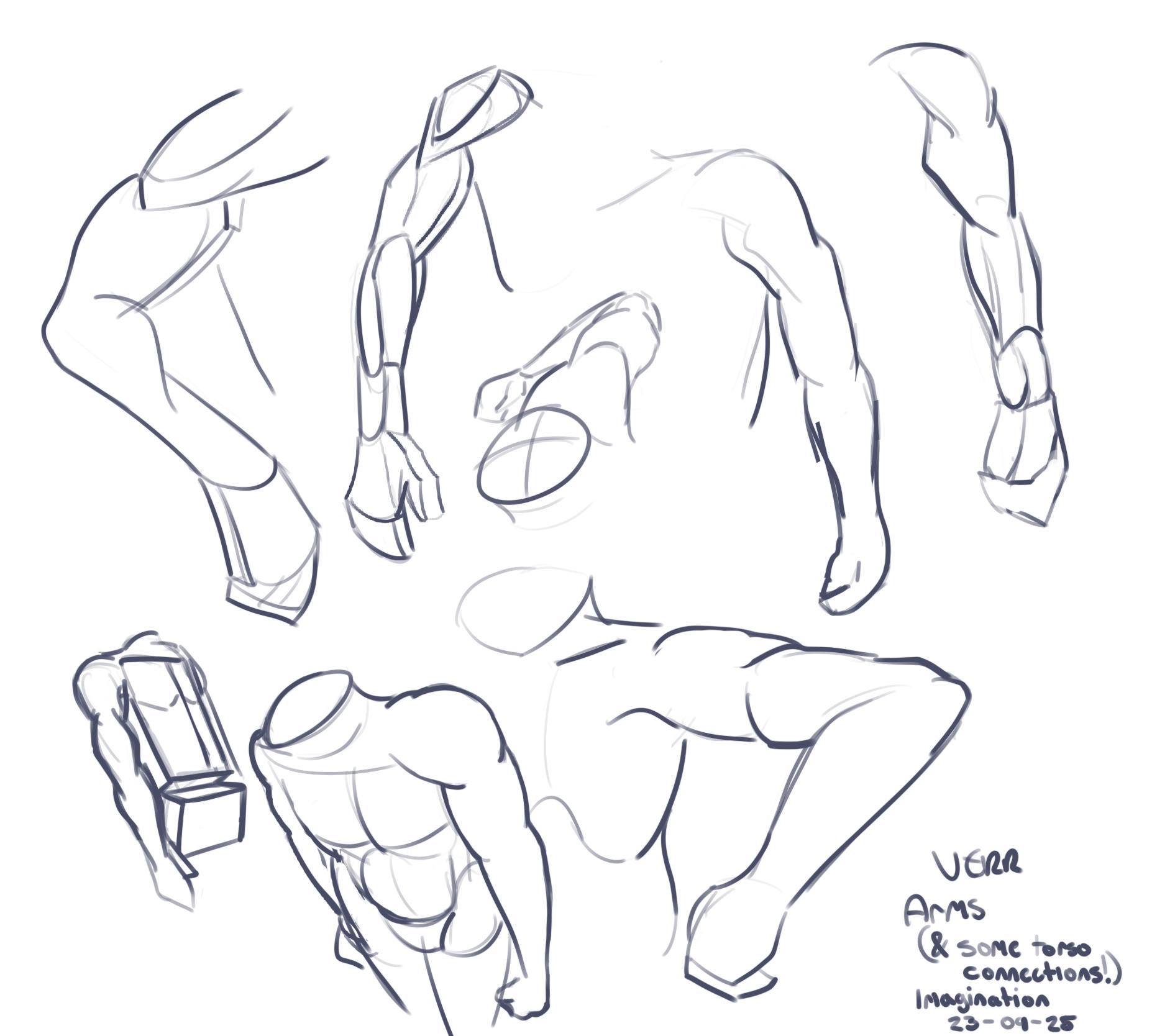
You can actually go into anatomy from the gesture! You can do it quite easily especially when you have reference. But you have to do that "anatomy homework" knowing where everything starts and ends on the bones. At least so that you can do it well.
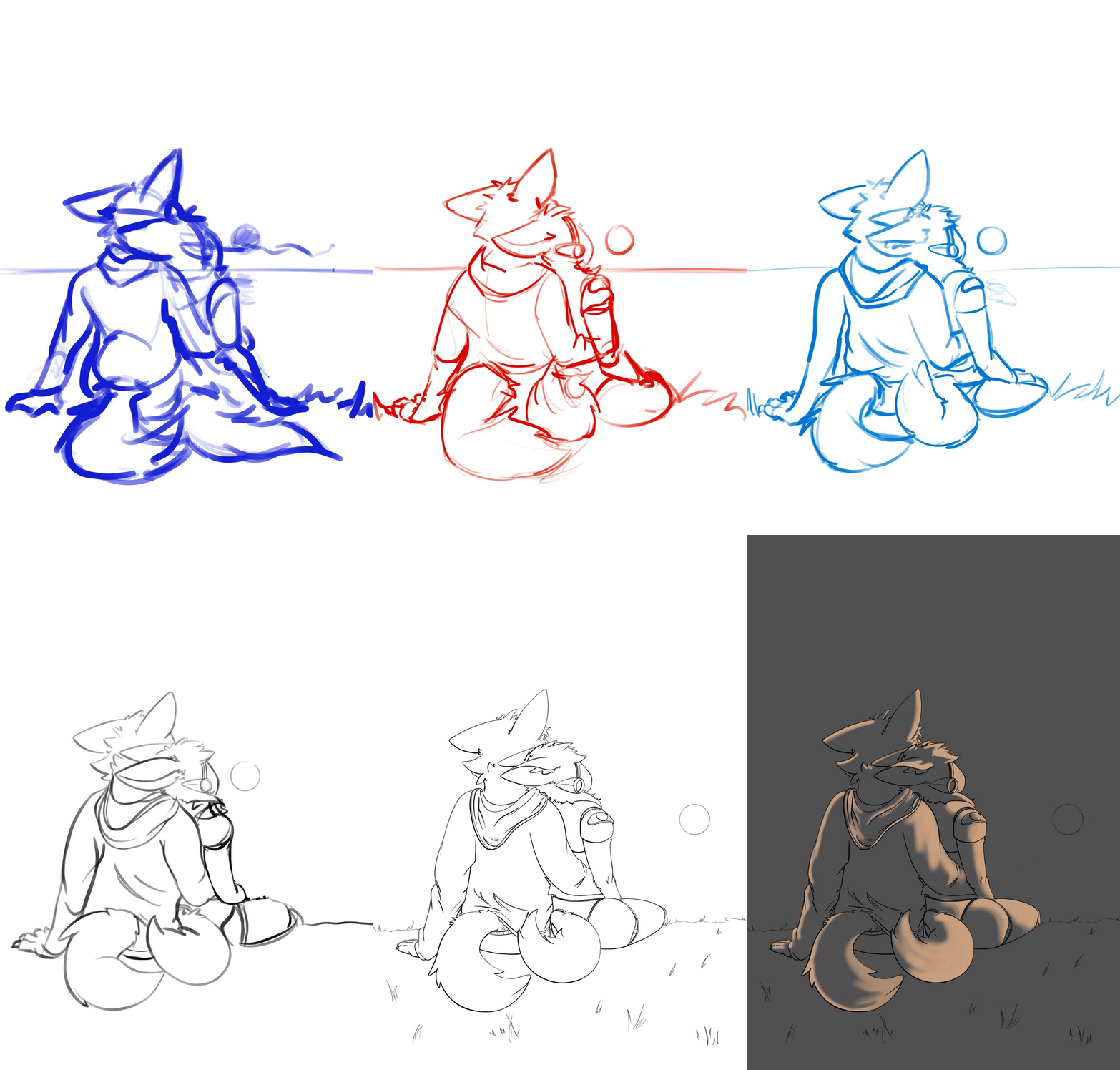
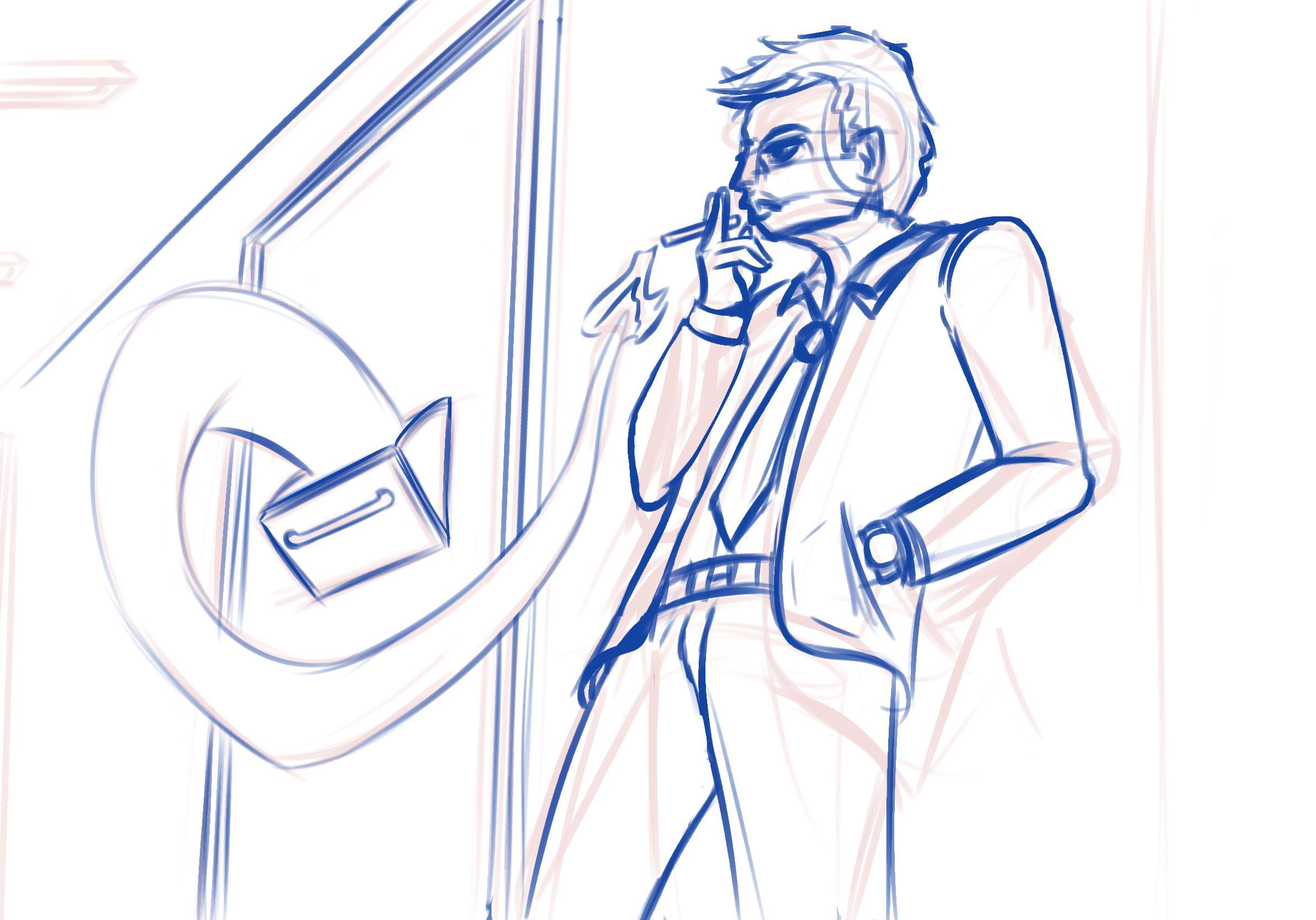
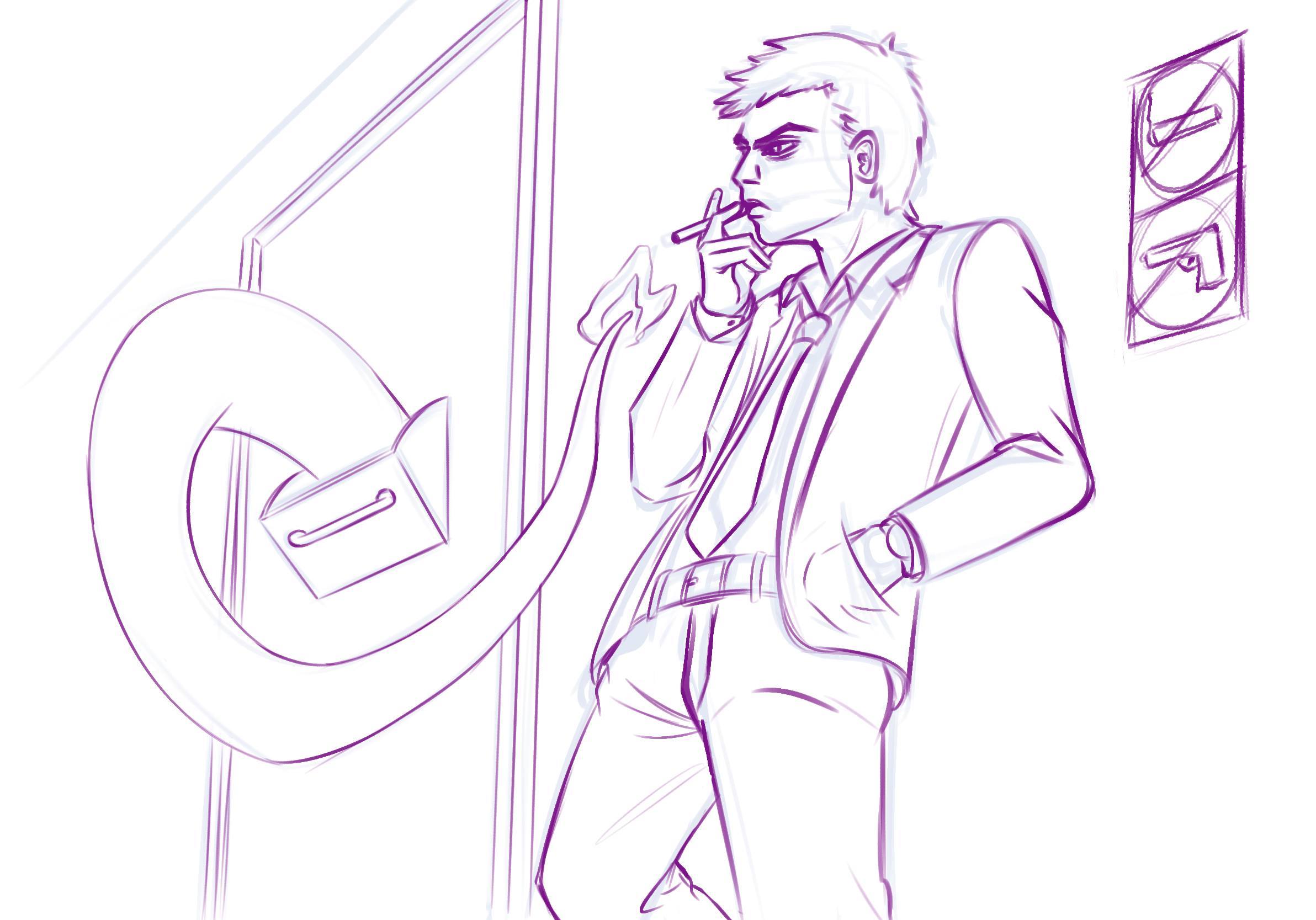
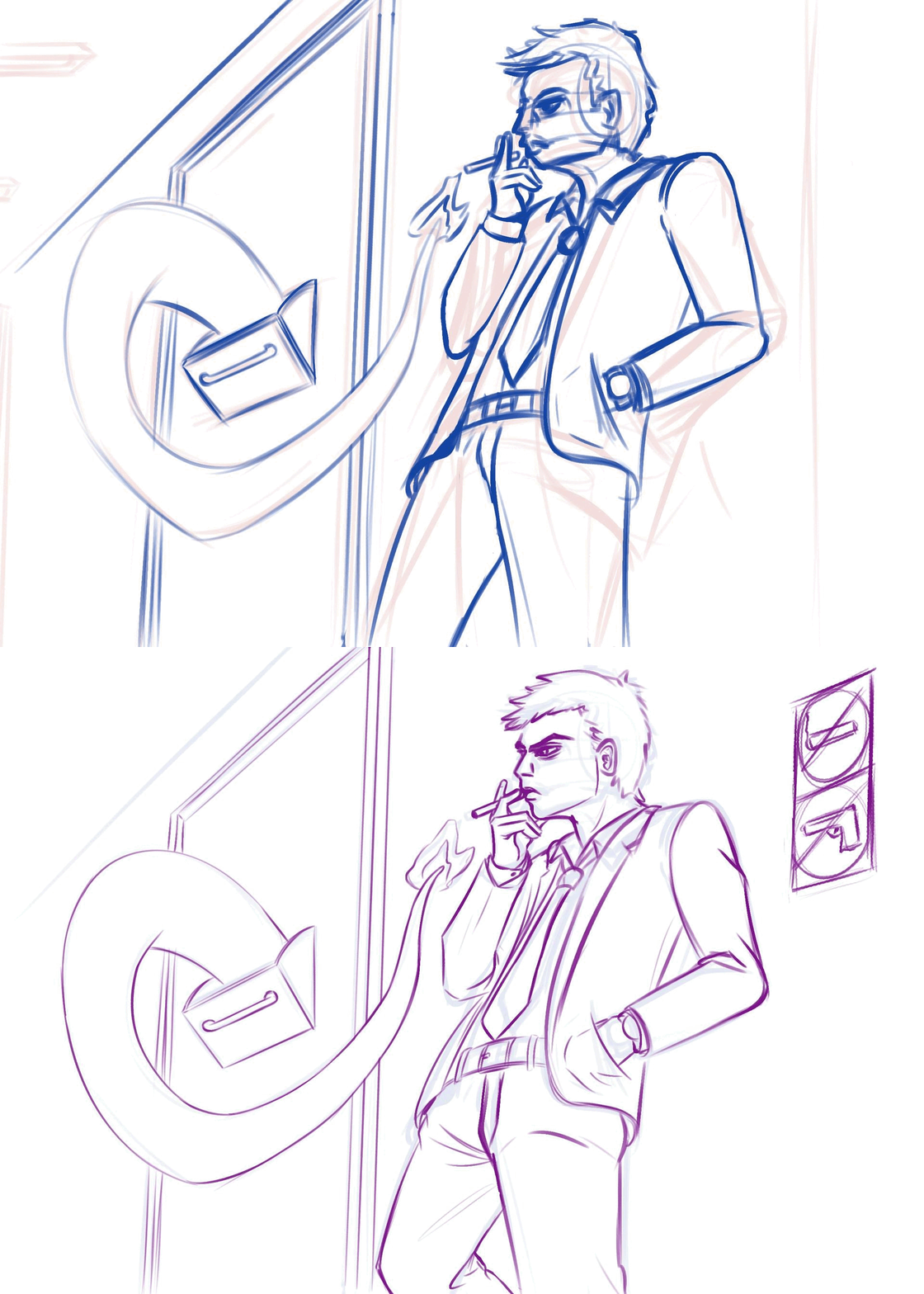
I always think in terms of - 1-Sketch 2-Drawing 3-Fine Drawing 4-Lineart
In sketching and drawing, I make all the changes, all the erasing, big sweeping ones and don't move on to line art until I am finished.
I was frustrated with it. Definitely. To the point of which I went seeking out the different answers for it. I noticed that a lot of people here have the same problems so I have saved a lot of the advice that I learned, and talked about, to deliver to people.
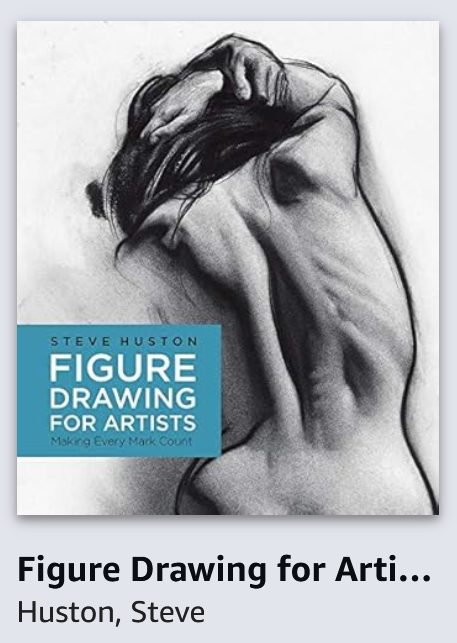
This is one of the main ones -
FIGURE DRAWING FOR ARTISTS
MAKING EVERY MARK COUNT
BY: STEVE HUSTON
.
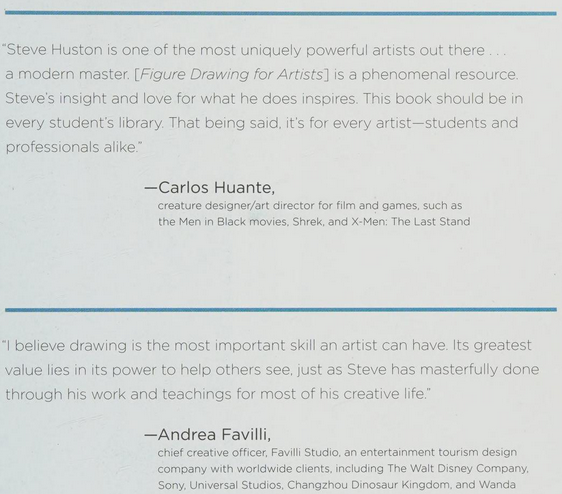
He explained why we look for this motion in gesture, what it does for drawings, and how to apply it. There are of course many more chapters on different subjects. But I use his quotes for gesture to ground myself to what it is.
I have had many teachers - each teaching their own form of gestures from their knowledge they gained from their own "secret dojo's" of training lol. They even would create and design new ways of applying these theories for students to digest and put to use - because that is what students wanted after they would take a course. So they designed their course that way.
Here are some videos from one of my teachers on what they can do in just a few minutes - using long pose theory on short pose application. Blew my freaking mind first time I saw this. You can watch later and finish reading I wont use the information in context for my text.
3 MINUTE QUICK SKETCHES PART 3 OF 4 - RON LEMEN - YOUTUBE
5 MINUTE QUICK SKETCH VIDEO PART 4 OF 4 - RON LEMEN - YOUTUBE
Ron's videos have improved over the years - and his delivery for what people want/need to learn has become more honed.
QUICKSKETCH VIDEO MC POST FINAL 1 - RON LEMEN - YOUTUBE
But schooling and classes didn't allow for the continued discourse that you can get from peers and pros online. I also only had drawings from my classes and teachers mostly. To say the least my notes were not a database of information for me to pull from. I spent most my time doing homework, and listening. Then when I started working - I started losing some of that knowledge because all my time was spent on work and not being able to practice.
ONLY IN MY MATURITY HAVE I LEARNED WHAT FRUSTRATION WILL SOON DELIVER. PROGRESS.
I will seek answers, and find them. But I only know what to look for when I take notes from my own sketches and art. I am still frustrated while it is happening. But frustration should be looked at as a good thing. Or try to at least. Because it has caused the human animal to overcome many things over the eons. It can make you creative.
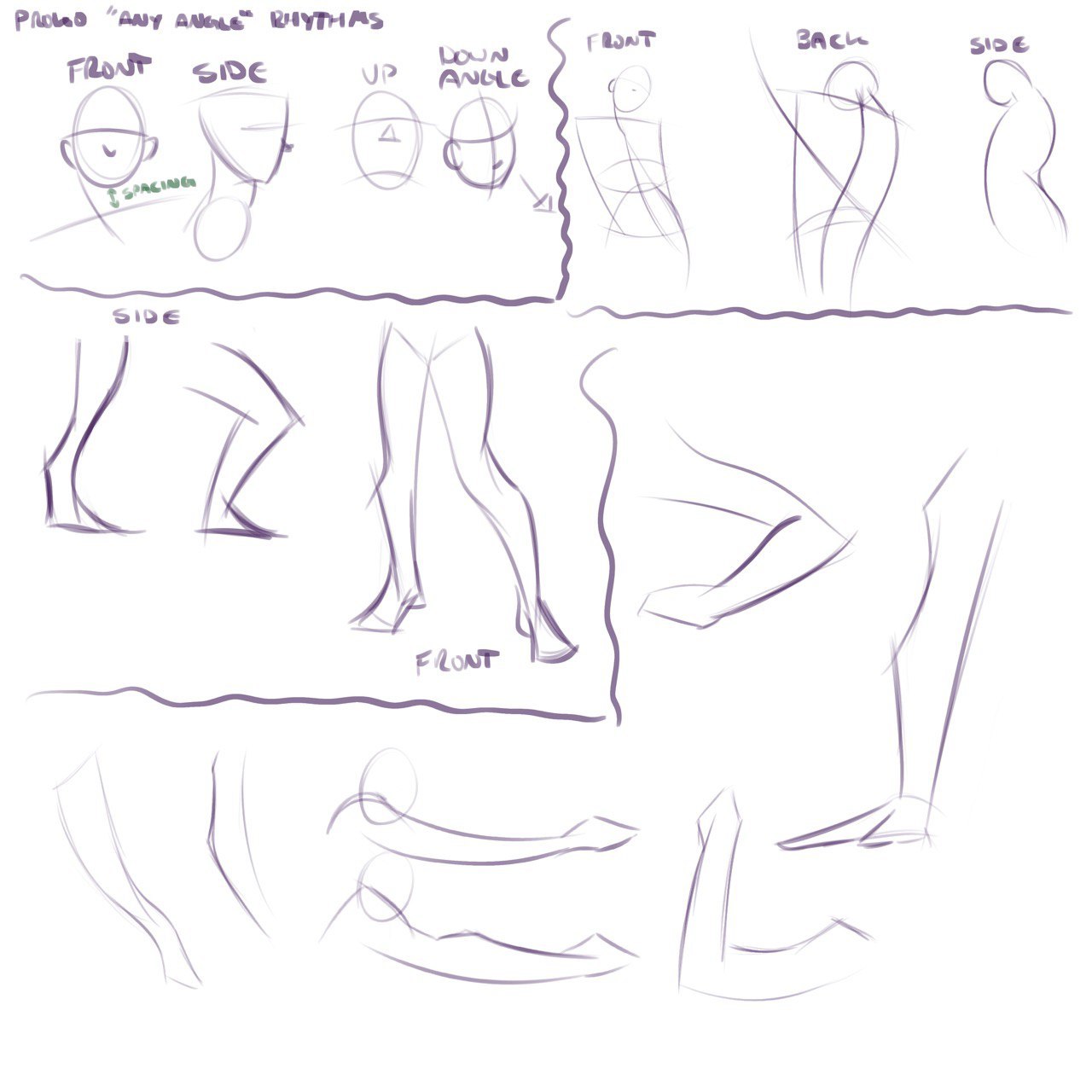
So when I got frustrated - and learned from Steve Huston - I wanted to maybe see some process videos - I went looking I found the PROKO Rhythms videos I linked before- took notes - and applied them to the references that he provided.
I then applied them to my own drawings and noticed a significant difference immediately. I learned that my own personal drawings were not using rhythms to tie poses together and make a pleasing shape to the eye.
So I learned what gesture was and that it existed from Ron Lemen. I learned why it is used and the abstract theory of it from Steve Huston. I then learned how to apply it from Proko Videos.
So my figure inventions are a hybrid way of all three of these that I understand.
All that being said - I want to warn you that this Rabbit hole of figure drawing is a deep one. With a long pedigree. But I think you should ask yourself - "How much of this do I need to make what it is that I want?" How much of the fundamentals of Drawing, Values, Edges, and Color do you have to know to follow the style guide for your particular artistic expression to be achieved? Only you can decide that.
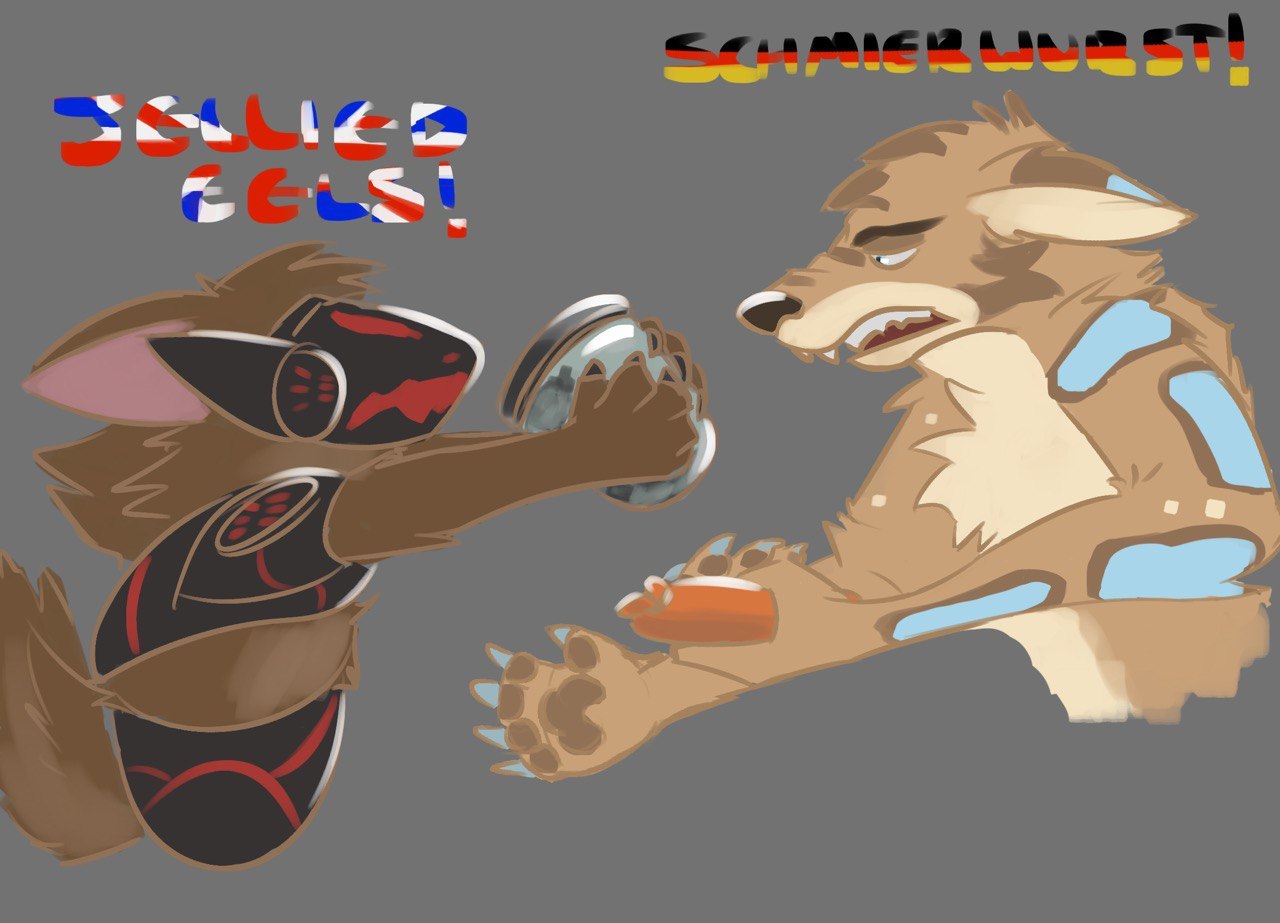
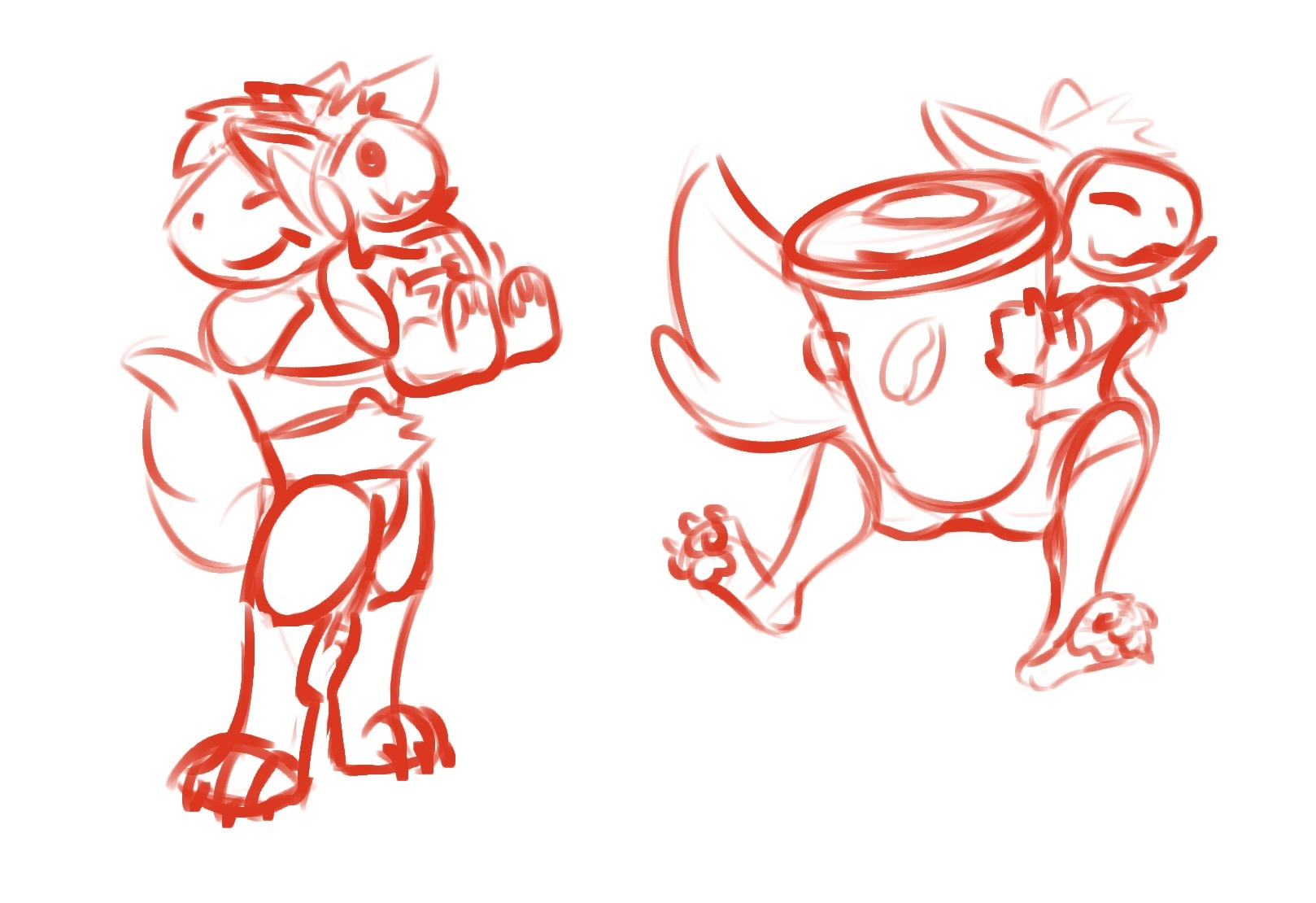
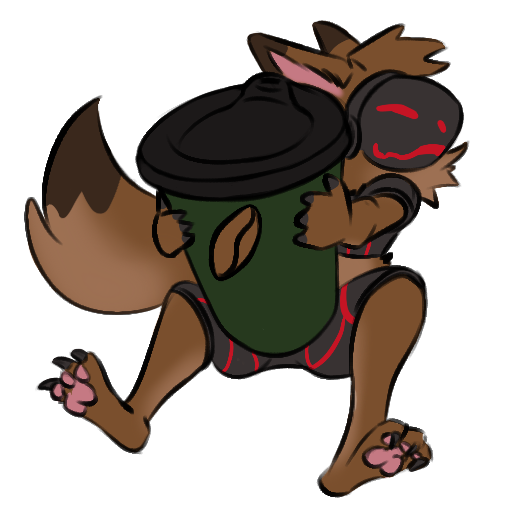
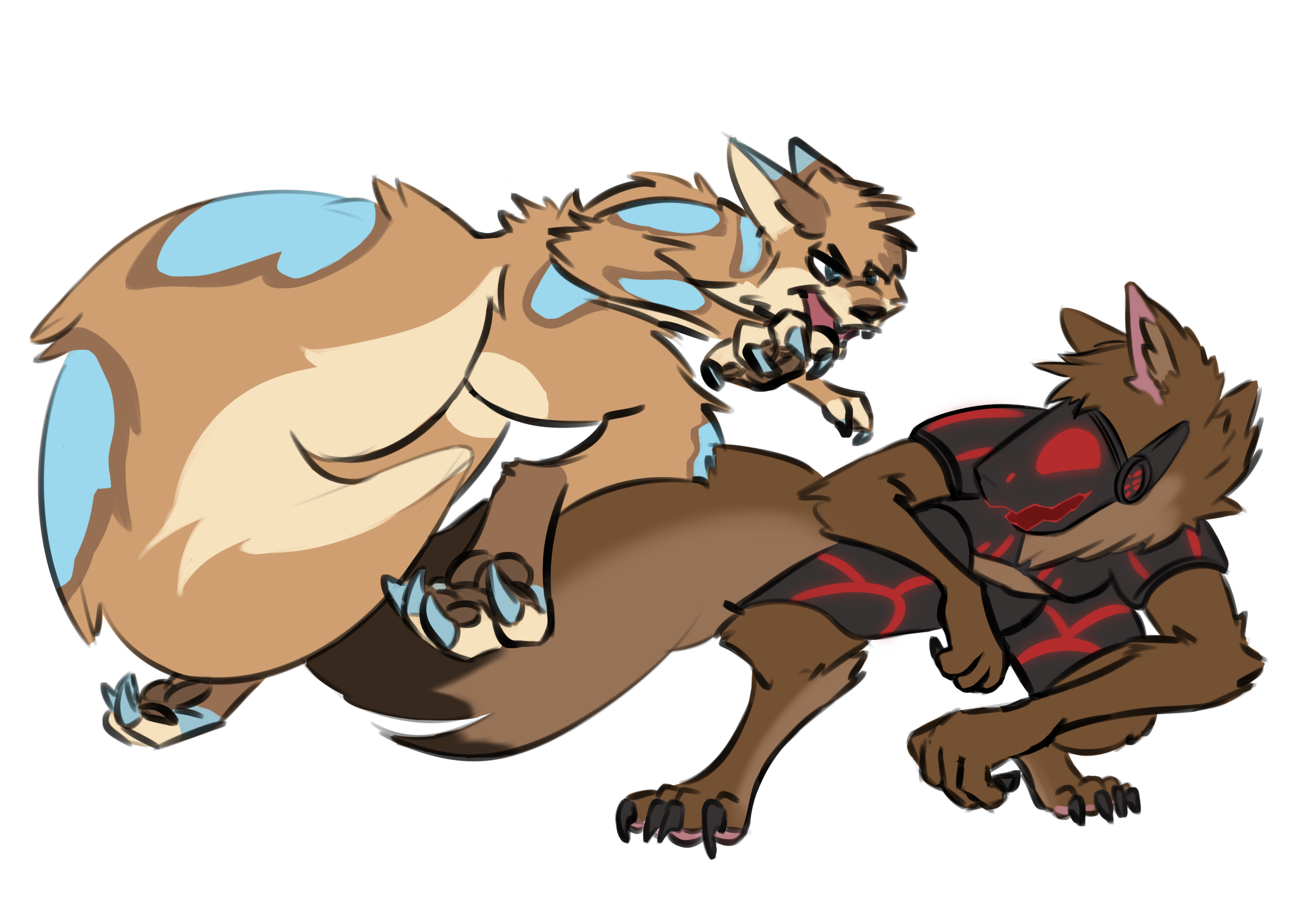
Your style (cartoon/anime - rendered) leans itself more to this talk. Because your characters have a basis that was derived from finding the essence of a figure. To simplify it. In order to deliver 24 frames per second to animation work. To emphasize motion to the human eye, not detail of static figures in illustration. But you can easily use it for illustrations - but the motion and simplicity of your character shapes comes from this historical basis for this purpose.
Hopefully with all this - you can sort of see how much of this figure drawing realism stuff you can take - and apply it to what you are actually trying to achieve. Don't let different courses and teachings side track you from an intended goal. Write down your intended long term goal. "I want to draw like _________ with confidence and clarity, and render in this style for illustrations." That will direct your learning from the start and not let you get derailed by the never ending information of realism and comics or animation.